0
article(s)
Voir le panier
Vous n'avez aucun article dans votre panier.
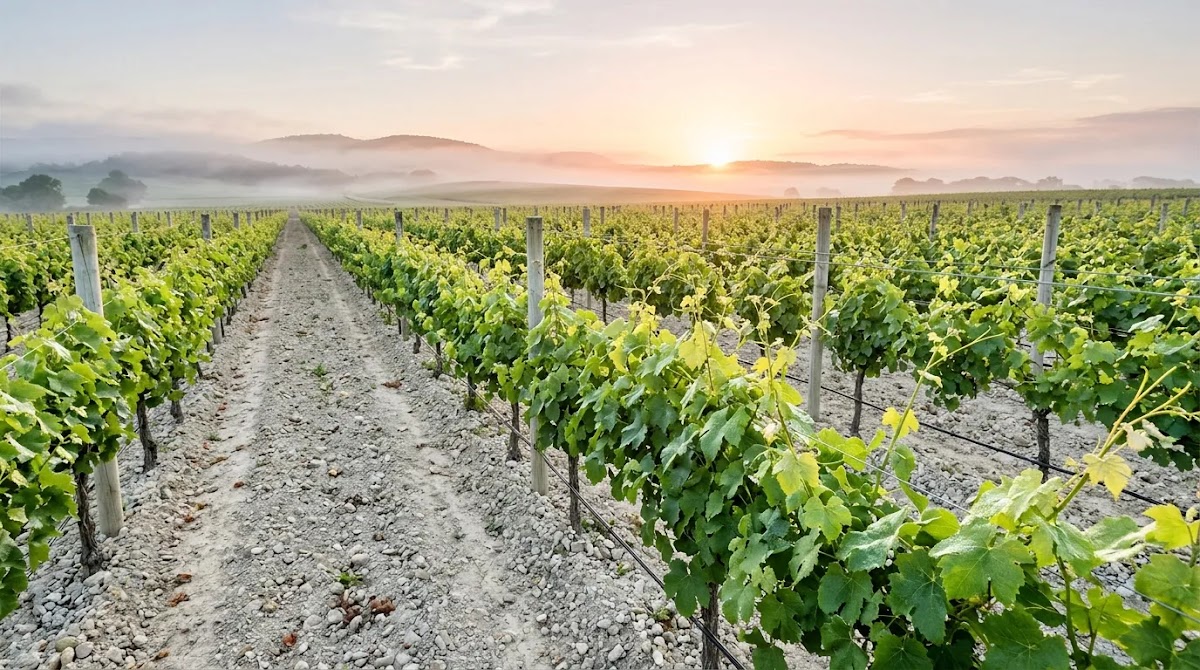
Sauvignon blanc wine is one of the most recognisable white wine styles in the world, but it is not one-note. Depending on where it is grown and how it is made, it can be piercingly crisp, herbal, mineral, citrus-led, or gently textured and rounder in feel. That range is exactly why the grape matters. It teaches you how climate, terroir, and cellar choices shape what ends up in your glass. If you are building your understanding of white grapes more broadly, the guide to popular white grapes including Chardonnay, Sauvignon Blanc, and Pinot Grigio is a useful place to continue after this article. For readers in Hong Kong looking to buy with more confidence, Bidvino's sommelier-led selection offers a thoughtful way to explore sauvignon blanc through real bottles from classic and New World regions.
Sauvignon blanc has a naturally vivid personality. It tends to show high acidity, aromatic lift, and a freshness that makes it especially appealing in warm weather, at the table, or as an introduction to quality white wine. Yet the grape is more versatile than many drinkers first assume.
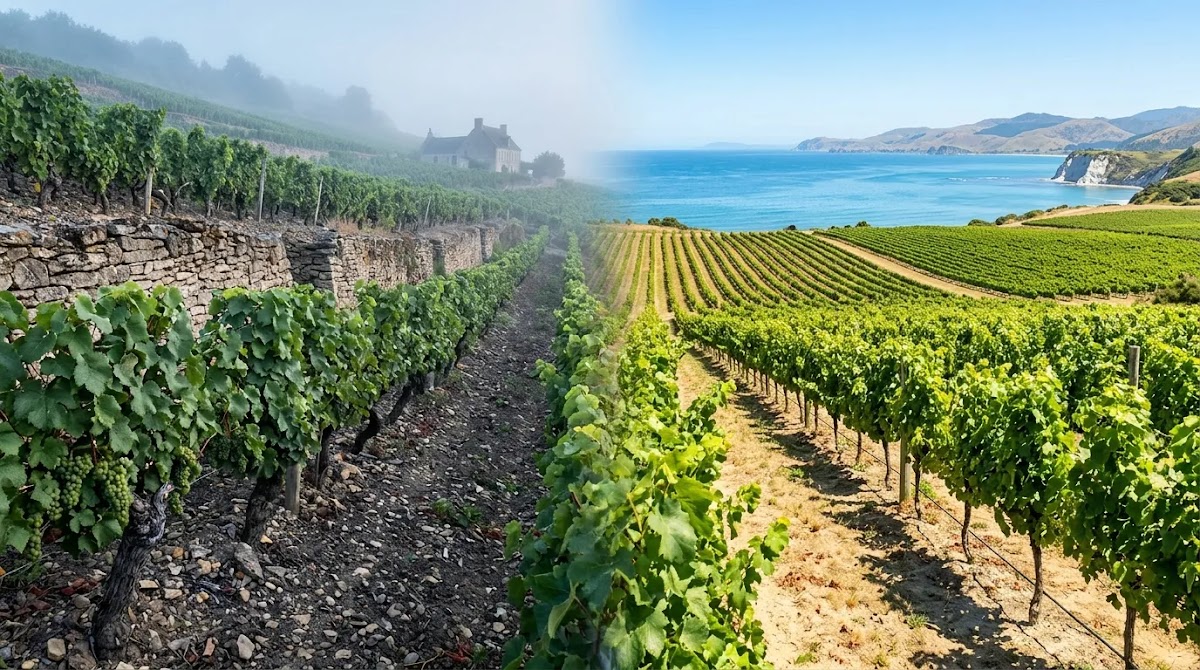
In cooler places such as the Loire Valley, sauvignon blanc often emphasises line, minerality, citrus, and restrained green notes. In Marlborough, New Zealand, it typically becomes more exuberant, with bright tropical fruit and cut-grass intensity. In Bordeaux, where it is often blended with sémillon, the result may feel broader, waxier, and more layered. California can bring concentration and polish, especially in premium expressions.
This is also a grape that helps clarify broader stylistic questions. If you are weighing richness against freshness, the Chardonnay wine guide gives a practical contrast. For many wine lovers in Hong Kong, sauvignon blanc becomes the bottle that bridges casual enjoyment and more serious exploration.
At Bidvino, that exploration is grounded in curated wines from quality-minded producers, selected with the perspective of Certified Sommelier Paul William Sargent. The value here is not just access to bottles, but access to bottles that genuinely express place.
The story of sauvignon blanc is really a story of site and decision-making. The grape responds clearly to climate, picking dates, and élevage. That is why the same variety can feel so different from Sancerre, Graves, Adelaide Hills, Marlborough, or Napa Valley.
Loire Valley examples, especially from Sancerre, are often prized for precision. The region's cooler conditions and established appellation culture tend to favour wines with tension, citrus definition, and a stony, mineral feel. New Zealand, particularly Marlborough, built an international following on a brighter, more aromatic expression.
Bordeaux presents another side of the grape. Here, sauvignon blanc is frequently joined by sémillon, adding texture and a more layered palate. That blend can feel especially appealing for drinkers who want freshness without sharpness. For readers interested in the broader landscape of Bordeaux winemaking, the Bordeaux wine guide is a useful companion. In California, especially at the fine wine end, producers may pursue concentration, oak influence, lees texture, or a more complex, age-worthy profile.
These distinctions matter because sauvignon blanc is not simply "crisp white wine." It is a transparent medium for terroir and intent. For readers buying online, understanding that distinction is often the difference between choosing a wine for aperitif drinking and choosing one for a serious meal or cellar curiosity.
You may see "Fumé Blanc" on a label. It is typically not a different grape. It is a naming convention, most famously used in the United States, and it often signals a riper, sometimes oak-influenced interpretation of sauvignon blanc. Not every Fumé Blanc is heavily oaked, but the term is commonly associated with a less sharp, more textured profile than ultra-zesty, stainless-steel styles.
Cellar technique can change the feel of sauvignon blanc substantially without changing its core identity:
If you like your sauvignon blanc sharp, herbal, and citrus-driven, look for stainless-steel fermented styles from cooler regions. If you prefer a rounder, more "white Bordeaux-like" feel, look for cues such as Fumé Blanc, barrel influence, lees ageing, or blends that include sémillon, especially from regions that regularly work in that direction.
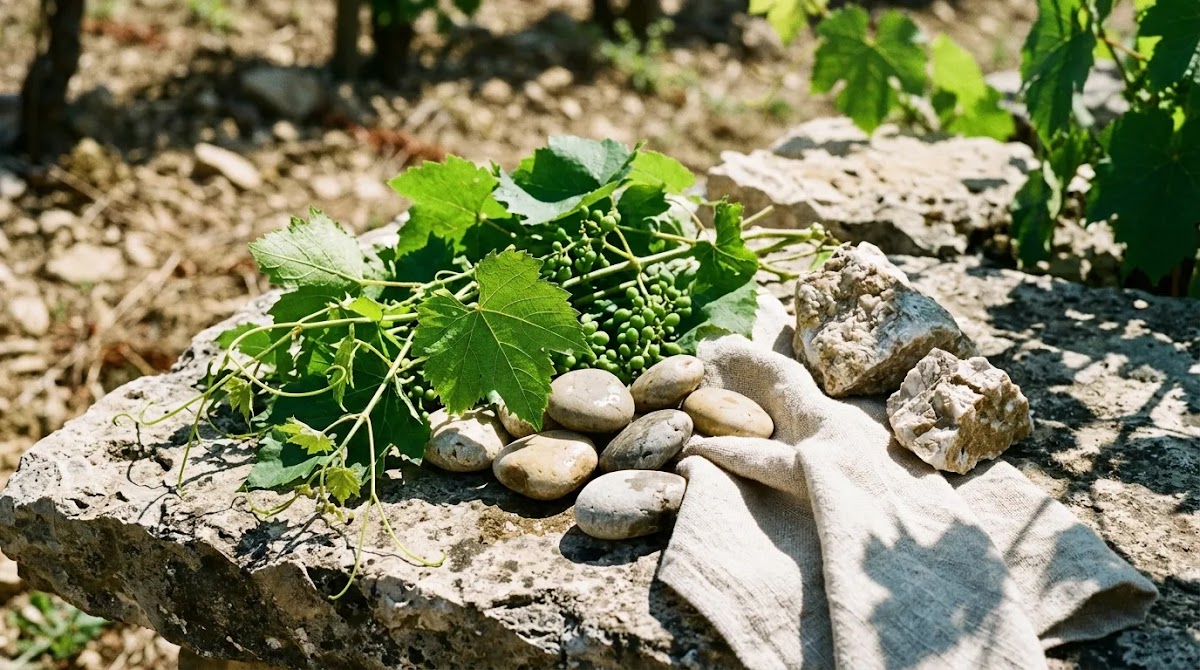
Sauvignon blanc taste usually begins with acidity. Most examples feel bright and energetic on the palate. Common descriptors include lime, grapefruit, green apple, gooseberry, fresh-cut herbs, tomato leaf, elderflower, passion fruit, and flinty mineral notes. Not every bottle shows all of these. Regional context matters.
Marlborough sauvignon blanc is known for punchy aromatics and immediate expressiveness. Loire Valley sauvignon blanc tends to be more restrained and linear. Bordeaux blanc may offer citrus and herbal notes with added roundness from sémillon. Premium California versions can move into a richer register, with textural depth and sometimes oak-derived spice.
Food pairing is one of the grape's great strengths. Sauvignon blanc's acidity and aromatic lift tend to work beautifully with shellfish, grilled fish, oysters, sushi, goat cheese, salads with herbs, and lightly spiced dishes.
The key is to match style to occasion. A zesty Marlborough bottle may be perfect for a rooftop seafood dinner in Hong Kong. A more layered Bordeaux blanc can suit roast chicken, richer fish preparations, or a slower, more contemplative meal. A serious Napa Valley example may invite comparison with top white Bordeaux in ambition, texture, and complexity.
A few practical clarifications that can make sauvignon blanc easier to shop for and enjoy, especially if you are buying online.
Most sauvignon blanc wines typically sit around 11.5% to 14% ABV, with many examples clustering near 12.5% to 13.5%. Climate and ripeness are the big drivers. Cooler-climate regions often produce wines with slightly lower alcohol and higher acidity, which can feel more "electric" and brisk. Warmer-climate regions, later picking, or riper styles can push alcohol higher, which may make the wine feel rounder and less razor-sharp even if the acidity is still present.
Calories in wine depend largely on alcohol level and any residual sugar. Dry sauvignon blanc is typically not a high-sugar style, so alcohol is usually the main variable. A higher ABV wine generally has more calories per pour than a lower ABV wine. For medical or nutrition-specific guidance, it is best to check the producer's information when available and speak with a qualified professional.
Most mainstream sauvignon blanc is dry, but labels can still be confusing because fruity aromas can suggest sweetness even when the wine finishes dry. Citrus, passion fruit, and guava notes often read as "sweet" to the nose, while the palate may still be bone-dry because acidity and lack of residual sugar keep the finish clean.
If you are trying to avoid sweetness, these label cues can help:
Serving temperature and glassware can change your perception of acidity and texture. Sauvignon blanc is often at its best when served chilled but not ice-cold, roughly 7°C to 10°C. Too cold and the aromatics mute, and acidity can seem harder and sharper. Slightly warmer and the fruit and texture show more clearly.
Glass choice matters too. A smaller white wine glass can emphasise freshness and keep the aromatics focused. A larger bowl can make a more textured, barrel-influenced, or blended style feel rounder and more expressive. If a sauvignon blanc tastes overly sharp at first, letting it sit a few minutes in the glass often brings better balance.
Whitehaven Sauvignon Blanc 2024 is one of the clearest entry points into the New Zealand style, priced at HK$145. From Marlborough, it is likely to appeal to drinkers seeking brightness, aromatic clarity, and that classic cool-fruit-meets-herbal freshness that made the region famous. For beginners, this is often the style that makes sauvignon blanc instantly understandable.
Shaw + Smith Sauvignon Blanc 2025 at HK$185 shows how Australia's Adelaide Hills can deliver a taut, refined interpretation of the grape. Adelaide Hills is widely respected for cool-climate whites, and this bottle is a good reminder that sauvignon blanc does not have to be loud to be expressive. It may suit readers who want freshness with a more poised profile.
Domaine Laporte Sancerre Les Grandmontains Blanc 2024 at HK$255 brings the Loire Valley into focus. Sancerre remains one of the benchmark appellations for sauvignon blanc because it tends to emphasise precision, mineral detail, and structure rather than sheer aromatic volume. For readers who want to understand Loire Valley sauvignon blanc in its classic form, this is an instructive bottle to explore.
Chateau Villa Bel-Air Blanc 2022 is priced at HK$210 and comes from Graves in Bordeaux, with sauvignon blanc and sémillon in the blend. That matters. Sémillon usually softens the edges, adding body and texture, so this wine may feel broader and more layered than a pure sauvignon blanc from cooler, more linear regions. It is a strong choice for drinkers who like freshness but want a little more palate weight.
Continuum Estate Sentium White 2023 at HK$850 represents the more ambitious end of the category. From Napa Valley and listed in Bidvino's 95–100 point wine selection, it shows how sauvignon blanc can operate in a fine wine context. This is not the bottle you buy only for refreshment. It is the one you open when you want to explore scale, detail, and what premium California can bring to a white blend centred on sauvignon blanc.

Choosing the best sauvignon blanc starts with understanding what you want from the glass. A few practical criteria make the process much easier.
For Hong Kong buyers, this style is especially practical. Sauvignon blanc works for gifting, weeknight drinking, seafood dinners, and mixed-experience gatherings where you want a bottle that feels fresh and broadly appealing without becoming generic. If you enjoy crisp whites and want to see how the grape compares to other light-bodied styles, the Pinot Grigio vs Pinot Gris guide is a natural next step.
Spending more on sauvignon blanc does not automatically mean a wine is "better" for your taste. What usually changes is how specific, layered, and complete the wine feels. If you are shopping online, thinking in price bands can help set expectations without turning the decision into a bargain hunt.
In the entry range, you are typically paying for straightforward varietal character: bright acidity, clean fruit, and easy drinkability. These wines can be excellent choices for casual seafood dinners, picnics, and gatherings where you want a reliable crowd-pleaser. The tradeoff is that vineyard specificity and length of finish may be more limited, even when the wine is very well-made.
As you move into mid-tier bottles, you often see more precision: better integration of acidity and fruit, more nuanced aromatics, and a longer, more "complete" finish. This is also where regional signatures can become clearer. A well-made Loire Valley bottle might show more mineral detail and structure, while a serious Adelaide Hills example might feel tighter and more poised rather than purely aromatic.
Premium sauvignon blanc and sauvignon-led blends are often about ambition. You may see more concentration, more careful use of lees and oak, or blends designed for complexity rather than pure refreshment. These wines can be more compelling at the table and may have better short- to mid-term ageing potential, though ageing always depends on producer intent and storage conditions.
Sauvignon blanc is typically defined by high acidity, aromatic freshness, and flavours that may include citrus, green fruit, herbs, and mineral notes. The exact profile depends heavily on region and winemaking. Marlborough tends to be more exuberant, while Sancerre often feels more restrained and structured.
Most sauvignon blanc wines show some combination of lime, grapefruit, gooseberry, green apple, fresh herbs, and sometimes tropical fruit. Cooler-climate bottles often feel tauter and more mineral. Warmer or more worked styles may show broader texture and riper fruit. Individual palate and bottle condition always matter.
Most well-known sauvignon blanc wines are made in a dry style, especially those from Marlborough, Sancerre, Adelaide Hills, and dry Bordeaux blanc. That said, dryness and fruitiness are not the same thing. A wine can taste very fruity aromatically while still finishing dry on the palate.
Sauvignon blanc generally emphasises acidity, citrus, herbs, and freshness, while chardonnay often leans toward rounder texture, orchard fruit, and in some cases oak influence.
Seafood is one of the most reliable matches, especially oysters, shellfish, grilled white fish, and sushi. Goat cheese, salads with herbs, and lighter chicken dishes also work well. The brighter the wine, the cleaner the pairing usually feels.
Marlborough is often the easiest starting point because its style is immediately expressive and easy to recognise. Wines such as Whitehaven Sauvignon Blanc 2024 make that regional identity clear. If you prefer something subtler, Adelaide Hills or Loire Valley examples can also be very rewarding first steps.
Many sauvignon blanc wines are intended for youthful drinking, where freshness is part of the appeal. Some serious examples, especially from top Loire sites, white Bordeaux blends, and ambitious California estates, may develop greater complexity with time. Ageing potential depends on producer, vintage, structure, and storage conditions.
For a classic, crowd-pleasing seafood pairing, a Marlborough or Loire Valley bottle is usually a strong direction. Domaine Laporte Sancerre Les Grandmontains Blanc 2024 and Whitehaven Sauvignon Blanc 2024 are both relevant starting points on Bidvino, depending on whether you want precision or aromatic exuberance.
Bidvino is a strong place to start if you want a curated range rather than a random list of labels. The selection includes approachable regional classics and more serious fine wine bottles, with reliable local delivery in Hong Kong and a story-led approach that helps you understand what you are buying.
A good "brand" is usually one that reliably matches the style you enjoy and communicates origin clearly. If you like the bright, aromatic Marlborough expression, Whitehaven Sauvignon Blanc 2024 is a clear, dependable reference point. If you prefer a more restrained, mineral Loire Valley profile, Domaine Laporte Sancerre Les Grandmontains Blanc 2024 is a strong example. If you want more texture through blending, Chateau Villa Bel-Air Blanc 2022 shows how Graves can feel broader and more layered.
GERD triggers vary significantly by person, and alcohol itself may worsen symptoms for some people. Wine is also naturally acidic, and that can be a factor regardless of grape. If you are managing GERD, the safest approach is to speak with a clinician who knows your history. Some people find that smaller servings, drinking with food, and avoiding very high-alcohol or highly acidic beverages can help, but there is no universal "best" wine for GERD.
Wine should not be treated as a way to lower LDL cholesterol. Cardiovascular health is influenced by many factors, and the relationship between alcohol and health outcomes is complex. If you are trying to manage cholesterol, it is best to rely on medical guidance and evidence-based lifestyle steps, and discuss alcohol use with a qualified healthcare professional.
Sauvignon blanc remains one of the most rewarding white grapes to learn because it gives you something immediate and something deeper. On one level, it is refreshing, food-friendly, and easy to enjoy. On another, it is a clear lesson in how place and producer decisions shape wine style. A Marlborough bottle, a Sancerre, a Bordeaux blanc, and a Napa Valley white can all speak the language of sauvignon blanc in very different accents.
If you are ready to explore that range, Bidvino offers a thoughtful starting point for Hong Kong buyers, whether you want the bright energy of Whitehaven Sauvignon Blanc 2024, the classic line of Domaine Laporte Sancerre Les Grandmontains Blanc 2024, or the fine wine ambition of Continuum Estate Sentium White 2023. Explore the range at bidvino.com and use each bottle as a way to learn as much as to enjoy.
This article is written for informational purposes only. Wine and spirits are intended for adults of legal drinking age. Please enjoy responsibly. Product availability and pricing are subject to change — please check bidvino.com for current listings.
 Bidvino Customer Service