0
article(s)
Voir le panier
Vous n'avez aucun article dans votre panier.
Pour someone their first glass of malbec wine and they'll likely fall for it instantly. Mendoza brings lush dark fruit, violet, and soft, inviting tannins, while Cahors, its ancestral home in southwest France, leans darker, sturdier, and more earthbound. That range lets you match a bottle to dinner, the season, or your mood.
If you enjoy rich red wine but want more detail than “smooth” or “full-bodied,” malbec wine is an excellent place to learn. Beginners can use it to understand tannin and ripeness. Intermediate drinkers can compare lower, warmer vineyards with high-altitude sites. Experienced collectors can look for how individual parcels, vintage conditions, and élevage change the shape of a wine.
Malbec also rewards food-minded drinkers. Its fruit, floral character, and usually moderate acidity can suit grilled meat, roast duck, lamb, mushrooms, and many dishes with umami-rich sauces. The key is deciding whether you want plush fruit and softness, or more grip and savory restraint.
Malbec is genetically the same grape in Mendoza and Cahors, but the wines can seem like close relatives raised in very different climates. In France, the grape is traditionally known as Côt in several regions and has a long association with Cahors. Its darker fruit, firm tannins, and savory mineral edge can make it feel serious at the table, particularly in youth.
Argentina gave Malbec a more internationally recognizable identity. Warm sunlight encourages generous fruit expression, while Andean elevation can preserve freshness and deepen color. The result is often a wine with blackberry, plum, violet, cocoa, and spice notes, supported by a texture that may feel rounder than many young Cahors examples.
Neither approach is inherently superior. A wine lover seeking a red for grilled ribeye may prefer Mendoza’s broad fruit and supple texture. Someone opening duck confit, cassoulet, or slow-cooked beef may appreciate Cahors’ firmer tannin and earthier character. For a wider regional perspective, read the South American & South African Wine Guide.
| Style | Typical character | Food pairing |
|---|---|---|
| Mendoza | Broad fruit and supple texture | Grilled ribeye |
| Cahors | Firmer tannin and earthier character | Duck confit, cassoulet, or slow-cooked beef |
Malbec’s black-fruit profile can be vivid, but structure is what determines how the wine behaves with food and age. Tannin comes largely from grape skins, seeds, and sometimes oak. Acidity gives a wine lift and prevents ripe fruit from feeling heavy. Alcohol, extraction, and barrel aging influence weight, warmth, and texture.
A plush Malbec may have ripe fruit at the forefront and tannins that seem soft or creamy. A structured Malbec may show darker fruit, firmer grip, and more savory notes. The label’s region, vineyard designation, vintage, and producer style provide better clues than grape name alone.
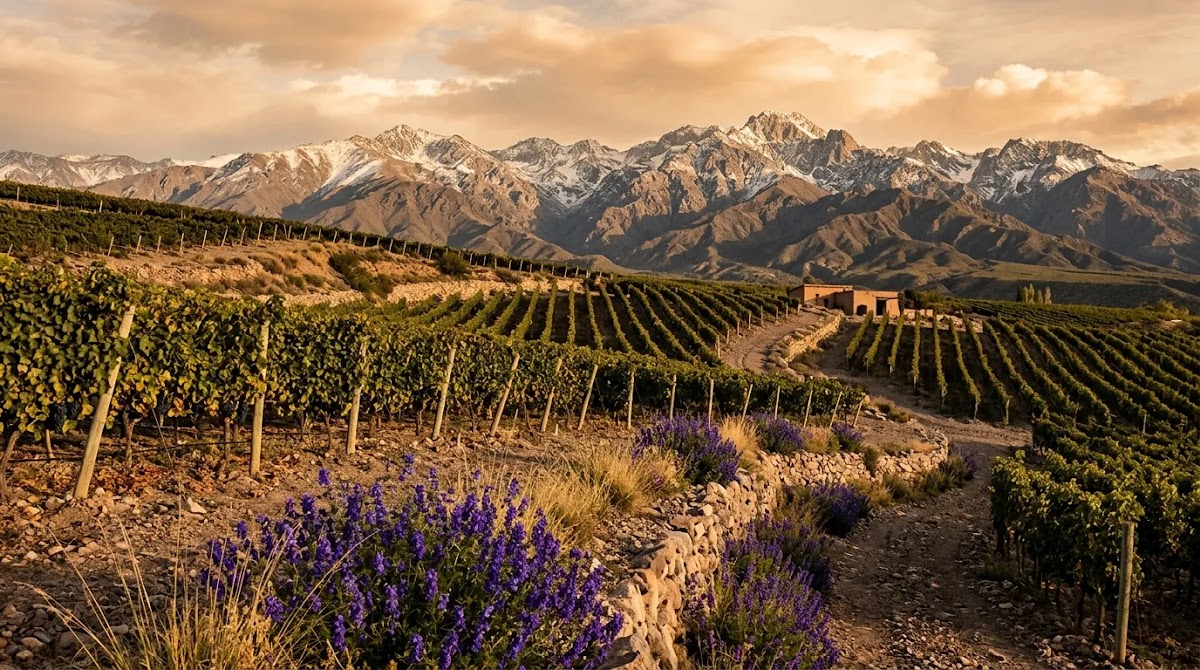
Picture snow-capped peaks feeding a network of irrigation channels that wind through Mendoza's arid vineyards, turning what would be desert into some of Argentina's most celebrated wine country. Nestled along the Andes' eastern flank, this region relies entirely on that mountain runoff to keep vines healthy. Add abundant sunshine to the mix, and Malbec grapes reach beautiful ripeness here, yielding rich, deeply hued wines bursting with black cherry, plum, blackberry, and delicate floral character.
Altitude matters enormously. Higher sites generally experience strong daytime sun and cooler nights. This combination can encourage ripe fruit while retaining enough acidity to keep the palate energetic. It is one reason a high-altitude Mendoza Malbec can feel concentrated without necessarily tasting flat or jammy.
Within Mendoza, Luján de Cuyo is frequently associated with classic, generous Malbec expressions, while the Uco Valley is widely valued for freshness, lift, and site expression. These are broad tendencies rather than guarantees. Vineyard aspect, soil, vine age, harvest timing, and cellar decisions can all change the result. For a closer look at these influences, see the Mendoza Wine Region: Argentina's Napa Valley Guide. You can also explore Argentina’s wine regions through Wines of Argentina.
Many Mendoza producers use oak to frame Malbec’s fruit rather than conceal it. French oak may add cedar, toast, cocoa, or subtle spice. American oak can bring sweeter spice and more obvious vanilla-like notes. Larger casks, older barrels, concrete, and stainless steel each preserve fruit in different ways.
The most balanced examples tend to keep freshness beneath their concentration. If a wine feels broad but still has a floral lift, defined fruit, and a clean finish, it is likely to be more versatile at the table than a bottle relying only on power.
Mendoza on a label is a useful starting point, but it covers a large and varied wine region. Maipú, generally at lower elevation and with warmer growing conditions, is often associated with ripe fruit, generous body, and approachable texture. Luján de Cuyo is known for classic Malbec richness, frequently combining plum and dark-fruit character with a broad, rounded palate.
The Uco Valley lies farther south and includes many higher-altitude vineyards. Its cooler nights and varied alluvial soils can support fresher acidity, floral detail, and more defined tannin. Gualtallary, a high-elevation area within the Uco Valley, is often linked with tension, chalky texture, and savory mineral detail alongside concentrated fruit.
Smaller place names can offer further clues. Perdriel is part of Luján de Cuyo, while a term such as “single vineyard” indicates that the grapes come from one named vineyard rather than a broader regional blend. These terms may help you anticipate style, but they do not guarantee it. Producer decisions, the precise vineyard location, vintage conditions, harvest timing, and oak maturation remain more reliable guides to how the final bottle will taste.
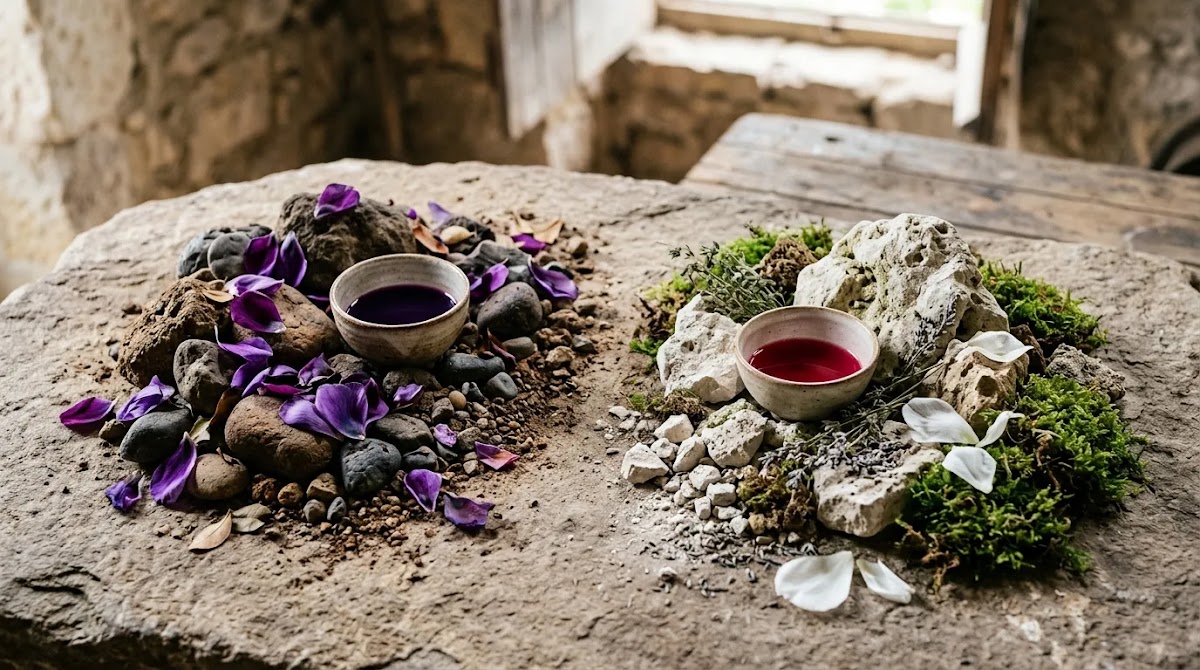
Cahors lies in southwest France along the Lot River. Its limestone and clay-rich soils, continental influences, and traditional approach to the grape can produce Malbec with darker color, firmer tannin, and a more savory register than many Argentine examples. Black plum, blackberry, violet, tobacco, iron, and graphite-like notes may appear, depending on the producer and vintage.
Younger Cahors can feel comparatively strict because tannin is more apparent. That grip is not a defect. With protein-rich food, air, or bottle age, firm tannins can become an appealing framework for the fruit. Readers who prefer the tension and structure of Cabernet Sauvignon often find Cahors a rewarding route into Malbec.
The contrast is more nuanced than ripe Argentina versus austere France. Cahors can produce generous wines in warm years, while elevated Mendoza sites can be fresh, floral, and refined. The better comparison is one of balance: Mendoza frequently emphasizes fruit amplitude and soft texture, while Cahors often emphasizes tannic architecture and earthy detail.
For a focused comparison of these two expressions, read Argentine Malbec vs French Malbec: Same Grape, Two Worlds.
Malbec’s pairing flexibility comes from its combination of dark fruit, floral aromas, and tannic structure. A plush Mendoza style is a natural partner for charcoal-grilled beef, lamb chops, barbecue with moderate sweetness, roast duck, and mushroom dishes. The fruit can stand up to caramelization, while the tannin is softened by protein and fat.
More structured Cahors-style Malbec suits richer, slower-cooked dishes. Consider beef cheek, braised lamb shank, duck confit, cassoulet, or aged hard cheeses. These foods give the wine’s firmer tannin something to work against, making the palate feel more harmonious.
Picture this: you've just brought home a bottle of Malbec on a muggy Hong Kong afternoon, and it's been sitting on the counter absorbing the heat. Before you pour, give it a short rest in the fridge, 20 to 30 minutes does the trick. That small step helps tame the warmth of our local climate, keeping the wine from tasting flat or overly soft. Aim for a serving temperature closer to 16-18°C, and you'll notice the Malbec's aromas turn brighter and its character more focused than if you'd served it warm straight off the shelf.
Young, concentrated bottles may benefit from an hour in a decanter. More modestly structured wines usually need only a few minutes in the glass. Avoid over-chilling, as very low temperatures can make tannins seem harder and mute the grape’s violet and dark-fruit character.
Cabernet Sauvignon often has more pronounced cassis, cedar, and tannic backbone, especially in youth. Malbec usually presents a darker purple color, more plum and violet character, and a rounder initial texture. Syrah can bring black pepper, olive, smoked meat, and savory spice, particularly in cooler-climate versions. Explore the related distinction in Shiraz vs Syrah: Same Grape, Completely Different Wines.
These bottles illustrate the range of Argentine Malbec available in Hong Kong, from approachable Mendoza expressions to vineyard-specific wines with greater concentration and structure. Bottle condition, serving temperature, and vintage variation can influence how each wine presents.

Price: HK$298. This Mendoza single-vineyard Malbec is a useful choice for readers who want to explore how a named site can focus attention on place rather than grape variety alone. Its 2018 vintage also makes it relevant for those interested in a bottle with some bottle age.

Price: HK$290. Chakana Ayni Malbec 2020 comes with an individual wooden box, making it especially suitable for a thoughtful gift. It received 93 points from James Suckling, who described dark berries, dried flowers, orange peel, chocolate undertones, plush tannins, and a persistent finish.

Price: HK$89. This Mendoza Malbec from Casarena is a practical entry point for a reader beginning to identify the grape’s dark-fruited Argentine character. Its Perdriel association also invites further exploration of Mendoza’s distinct growing areas.

Price: HK$835. This Gualtallary Malbec from Mendoza shows black cherry, blackberry, licorice, graphite, violet notes, and a silky yet chalky texture. Its fresh, powerful, and firmly structured profile is a strong example for drinkers drawn to the more serious end of high-altitude Argentine Malbec.
Price: HK$95. Aged for 12 months in French and American oak, this Mendoza Malbec offers toasted bread, mineral, plum, black cherry, and black pepper notes. Its soft, round, full-bodied palate and spicy finish make it a useful illustration of how oak can broaden Malbec’s texture and spice profile.
Price: HK$140. From the Uco Valley in Mendoza, this estate-selection Malbec shows a ruby-red color, a fruity aromatic profile, subtle balsamic notes, and vibrant red-fruit character on the palate. It is particularly relevant for readers who associate Malbec only with heavy black-fruit styles.

If you're hunting for a wine that delivers complexity without tipping into heaviness, Jamilla's Vineyard at HK$249 fits the bill beautifully. Grown in a single Mendoza vineyard, this Malbec pours a vivid purple-red and opens with ripe plum and cherry on the nose, rounded out by whispers of tobacco from time spent in barrel. On the palate, it's rich and velvety, carrying through to a long, satisfying finish, the kind of bottle that pairs naturally with a proper sit-down meal.

Price: HK$360. This Mendoza blend joins Malbec with Cabernet Franc and has a complex nose of tobacco flowers, violets, berries, and black olives. Its full-bodied, dense palate and fine, chewy tannins make it relevant for drinkers who want a more structured red than a straightforward fruit-led Malbec.
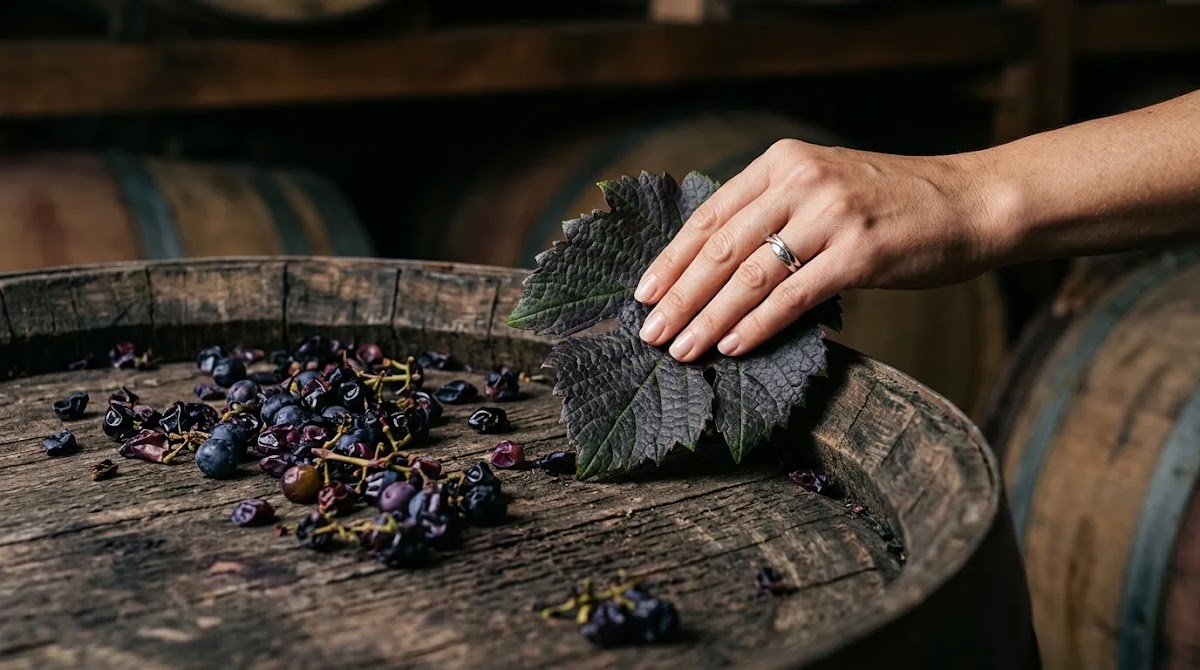
Malbec can offer genuine interest at different price points. A younger regional bottle may be the right choice for a casual weeknight meal because it emphasizes immediate fruit, soft texture, and ease of drinking. Lower-priced wine is not automatically less enjoyable. It may simply be made from broader vineyard sourcing, bottled for earlier drinking, or matured with less expensive production methods.
For a dinner, gift, or more focused tasting, a single-vineyard wine can be a useful step up. A named site may offer more specific character, while bottle age and careful oak maturation can add savory detail, texture, and complexity. A wooden presentation box can also make a bottle feel more considered for gifting, particularly where the wine itself carries a personal meaning.
Readers considering short-term cellaring should look for structure as well as concentration. Firm tannins, fresh acidity, balanced alcohol, vineyard designation, and proven bottle age can all suggest that a wine may benefit from time. Vine age, oak maturation, producer reputation, and limited vineyard sourcing can affect price, but none independently guarantees quality or longevity. Store bottles on their side in a cool, dark place with stable temperatures, and remember that not every Malbec is intended to improve for many years.
Many Argentine Malbecs are approachable in youth, but this does not mean the grape lacks tannin. Vineyard concentration, extraction, oak, and blending can produce wines with serious grip. Cahors makes the point even more clearly, as its tannic framework may need food or time to soften.
Warm serving conditions can make alcohol more obvious and reduce aromatic detail. A brief chill before pouring is particularly helpful in Hong Kong. It can make a ripe Malbec feel more balanced, not less flavorful.
Malbec is naturally capable of deep color, but color does not reliably indicate complexity, vineyard quality, or suitability for aging. Look instead for region, producer, vintage, vineyard sourcing, and the structural clues in the wine description.
Sweet barbecue sauces can make dry red wine seem more tannic and less fruity. A modestly sweet glaze can work with plush Malbec, but very sweet dishes are usually better matched with wines that have some residual sugar or lower tannin.
Malbec is a gateway into a larger conversation about how one grape changes with climate and culture. Compare a generous Mendoza bottle with a structured French expression if possible, then make notes on fruit ripeness, floral aromas, acidity, oak, and tannin. That simple exercise develops palate memory far better than trying to memorize descriptors.
Readers exploring the wider South American context can return to the South American & South African Wine Guide. A side-by-side Argentine and French comparison is also useful, while the Mendoza guide offers more detail on the regional conditions behind Argentina’s defining Malbec style.

Malbec wine commonly shows plum, blackberry, black cherry, violet, cocoa, and spice. Argentine examples often feel generous and fruit-forward, with rounded tannins. Cahors can show darker fruit, earth, tobacco, mineral notes, and firmer tannin. Individual bottles vary according to site, vintage, harvest decisions, oak treatment, and bottle age.
Malbec wine is made from a black-skinned grape variety and is used primarily to make dry red wine. It is closely associated with Mendoza in Argentina and Cahors in southwest France, where it may also be called Côt. Most examples are medium- to full-bodied, with dark fruit, floral aromas, and noticeable tannin, although the final style depends on region, ripeness, and winemaking.
Most table-wine Malbec is dry, meaning it has little or no noticeable residual sugar. Ripe fruit aromas can make a dry wine seem sweet, especially when it shows plum, blackberry, or chocolate-like notes. Fruit ripeness and oak can create that impression without making the wine technically sweet.
Malbec is often associated with value because Argentina can produce appealing, fruit-forward bottles at accessible prices. That does not make it inherently cheap or lesser in quality. Prices can rise with single-vineyard sourcing, older vines, oak maturation, producer reputation, limited production, and bottle age. The best choice depends on whether you want an easy-drinking bottle, a dinner wine, or a more structured expression to cellar briefly.
Mendoza’s dry climate, sunlight, mountain irrigation, and varied elevations have made it an exceptionally successful home for Malbec. The region can produce deeply colored, aromatic wines with generous fruit, while higher sites may retain freshness and tension. Mendoza is diverse, so Luján de Cuyo and the Uco Valley should not be treated as identical.
Argentine Malbec often emphasizes ripe dark fruit, violet aromas, and a plush palate. Cahors commonly expresses a firmer tannic structure, darker savory character, and more pronounced earth or mineral detail. The distinction is a tendency, not a rule. Producer style, site, vintage, and winemaking can create exceptions in both regions.
Malbec can have substantial tannin, though Argentine examples often make it feel softer through ripe fruit and rounded texture. Cahors generally presents more obvious grip, especially when young. Tannin level also depends on skin contact, extraction, oak, vine age, crop level, and whether the wine is blended with other grapes.
Neither is objectively better. Merlot often emphasizes red and black cherry fruit, softer tannins, and a rounded texture. Malbec commonly offers darker plum and blackberry notes, violet aromas, deep color, and more visible tannin. Choose Merlot if you prefer a gentler, supple red, and choose Malbec if you want darker fruit, floral character, and a more assertive structure. Producer style and region matter as much as the grape variety.
Plush Mendoza Malbec often suits grilled beef, lamb, roast duck, mushrooms, and barbecued dishes with restrained sweetness. More structured Malbec can complement braised meats, duck confit, cassoulet, and aged cheeses. Match the wine’s weight and tannin to the richness of the dish, rather than choosing by meat alone.
Give a robust, tannic Malbec fresh from the bottle some breathing room, 30 to 60 minutes in a decanter often coaxes it open, especially when it feels tight or dense right after uncorking. A juicier, more approachable bottle won't need nearly as much patience; a quick swirl in the glass usually does the trick. When you're working with an older vintage, though, decant with a gentler hand, focused on lifting the wine off its sediment rather than exposing it to too much air.
Both are dark-fruited red grapes with tannin, but Cabernet Sauvignon often shows cassis, cedar, and a more linear structure. Malbec usually has more plum, violet, and purple-fruit character, with a softer first impression in many Argentine examples. A Malbec-Cabernet Franc blend can add herbal, floral, and structural complexity.
Most Malbec is best served around 16-18°C. In a warm home, place the bottle in the refrigerator for roughly 20 to 30 minutes before serving. This can sharpen fruit definition and control alcohol warmth. Very cold service may suppress aroma and make tannin feel more severe.
Malbec earns its place on the table because it can be generous without being simple. Mendoza shows how the grape can combine depth of fruit, floral character, and a welcoming texture. Cahors demonstrates its more architectural side, where tannin, savory detail, and patience matter. Rather than asking whether Malbec is “smooth” or “bold,” ask where it was grown and what kind of structure you want from the glass. That question leads to better bottles, better pairings, and a more personal understanding of the grape.
Here at Bidvino, we believe great wine is best enjoyed responsibly, and everything we share is meant for those 18 and older. Keep in mind that our tasting notes come from the palates of our own editorial team, so impressions can shift depending on the vintage, how a bottle's been stored, and simply what each of us enjoys. Prices and availability move quickly in the world of wine, so we'd always encourage you to visit bidvino.com for the latest listings before making a purchase.
 Bidvino Customer Service