0
item(s)
View cart
You have no items in your shopping cart.
Prestige cuvée Champagne sits at the top of a house's range, but that does not mean every famous label tastes the same or serves the same moment. The best bottles are shaped by difficult vineyard choices, long cellar ageing, and a clear house philosophy. For a Hong Kong buyer, that matters just as much as the name on the box. If you want a sharper foundation first, start with the Champagne guide. In this article, we focus on what prestige cuvée really means, how to compare elite producers, and which bottles in Bidvino's current selection deserve attention for gifting, collecting, and landmark celebrations. Where relevant, I will also point out when a wine sits closer to prestige cuvée territory in spirit, even if it is not formally the flagship bottling of the house.
A prestige cuvée Champagne is typically the house's most ambitious bottling, produced from its best fruit, made with stricter selection, and aged longer before release. In practical terms, you are paying for more than luxury packaging. You are paying for site selection, cellar time, and a clearer statement of house identity.
That said, prestige cuvée is not one style. Some houses aim for crystalline precision and chalky restraint. Others favour power, breadth, or a richer, more vinous profile. Vintage conditions matter too. A 2016 prestige bottling may show tension and structure, while another year may feel broader or softer.
Many readers search for names like Dom Pérignon, Krug Champagne, Belle Epoque, La Grande Dame, or Cristal Champagne. Those benchmark labels help define the category, but the lesson for buyers is broader: great Champagne starts with producer intent. If you are deciding between different sweetness levels or blend styles before committing to prestige pricing, the guide to choosing Champagne is a useful companion.
The most expensive Champagne mistakes often start with label language. Champagne labels use a few French terms that sound luxurious, but they do not always mean what buyers assume.
Cuvée in Champagne generally refers to a particular blend or batch. It can mean the wine in a specific bottling, or it can simply be a producer's name for a blend they make every year. In other words, "cuvée" by itself does not automatically signal top-tier fruit, long ageing, or a house flagship. Many standard bottlings, including entry-level wines, can be labelled as a cuvée because it is a neutral winemaking term.
Prestige cuvée, by contrast, is a category idea more than a regulated label term. It usually refers to the producer's top wine, often the house flagship, with stricter selection and longer ageing. Some houses clearly define this hierarchy. Others use premium-sounding names across multiple tiers, which is where shoppers can overpay if they rely on wording alone.
Other common label terms to watch for:
If you are shopping in Hong Kong for gifting or collecting, use three quick questions before you pay a prestige premium:
This does not mean you should avoid prestige-sounding names. It means you should treat the label as a starting point, then confirm the bottle's actual place in the producer lineup. For a deeper look at how vintage status shapes Champagne buying, the vintage vs non-vintage Champagne guide covers this in more detail.

These bottles do not all occupy the same formal place in their house hierarchies, but together they show how prestige is expressed through vintage selection, grape focus, packaging, and reputation.
| Wine | Price | Style | Grapes | Country | Best for |
|---|---|---|---|---|---|
| Louis Roederer Cristal Brut Vintage 2016 - Gift Box | HK$2,550 | Prestige vintage brut | Chardonnay, Pinot Noir | France | Statement gifting, cellar-worthy celebrations |
| Louis Roederer Brut Vintage 2016 | HK$750 | Vintage brut | Pinot Noir | France | Serious entertaining, first step into elite house style |
| A. R. Lenoble Champagne Gentilhomme Blanc de Blancs Grand Cru 2012 | HK$1,100 | Grand Cru Blanc de Blancs | Chardonnay | France | Collectors who love precision and maturity |
| Louis Roederer Brut Blanc de Blancs 2017 | HK$890 | Blanc de Blancs | Chardonnay | France | Chardonnay-focused luxury drinking |
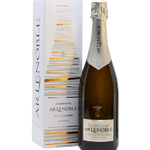
| A. R. Lenoble Champagne Blanc de Blancs Brut Grand Cru 2012 - W/Gift Box | HK$820 | Grand Cru Blanc de Blancs | Chardonnay | France | Elegant gifting with mature bottle age |
| Louis Roederer Brut Rosé Vintage 2017 (Graphic Gift Box) | HK$820 | Vintage rosé | Pinot Noir | France | Stylish gifts, romantic dinners, festive service |
Louis Roederer Cristal Brut Vintage 2016 - Gift Box is the clearest prestige cuvée in Bidvino's current Champagne selection, priced at HK$2,550. Cristal remains one of Champagne's defining luxury references because it combines house reputation with exacting fruit selection and a style that tends to emphasise purity, detail, and longevity. The 2016 vintage is also listed as a 95–100 point wine, which places it firmly in collector territory.
For buyers in Hong Kong, this is the bottle for major milestones: weddings, landmark birthdays, corporate gifts with real presence, or a cellar purchase meant to hold for years rather than disappear in one evening. It is not simply expensive Champagne. It is a bottle people recognise, but the reason it matters is that the wine inside usually rewards close attention.
Louis Roederer Brut Vintage 2016 at HK$750 is not Cristal, but it is one of the strongest bottles here for readers who want the discipline of a top Champagne house without moving straight to flagship pricing. Vintage Champagne often gives you a more focused picture of a specific growing season and a house's blending decisions within that year. This is a smart bottle for buyers who admire prestige cuvée Champagne but want to understand the producer's language before committing to the very top wine.
A. R. Lenoble Champagne Gentilhomme Blanc de Blancs Grand Cru 2012 at HK$1,100 appeals to a different kind of luxury buyer. Rather than leaning on the most famous mainstream label, it speaks to drinkers who care about Grand Cru Chardonnay and mature vintage expression. This is where Bidvino's family-winery focus becomes especially interesting. Prestige is not only about mass recognition. It can also come from vineyard pedigree, patience, and a more insider style of choice.
Louis Roederer Brut Blanc de Blancs 2017 is priced at HK$890 and listed among 95–100 point wines. For readers exploring prestige cuvée vs regular Champagne, this bottle is useful because it shows how a house can express refinement and seriousness outside the formal flagship. Blanc de Blancs is often where Chardonnay's precision, lift, and mineral drive come to the front. This is the bottle to point toward for someone building taste memory.
A. R. Lenoble Champagne Blanc de Blancs Brut Grand Cru 2012 - W/Gift Box at HK$820 is one of the most attractive bottles here for buyers who want a luxury feel, mature vintage character, and gift-ready presentation without moving to Cristal pricing. The gift box matters in Hong Kong, where presentation often plays a meaningful role in personal and corporate gifting.
Louis Roederer Brut Rosé Vintage 2017 (Graphic Gift Box) at HK$820 is not a classic prestige cuvée, but it deserves a place in a luxury Champagne guide because prestige purchasing is often occasion-led. Rosé Champagne brings a different emotional register. It can feel more celebratory, more intimate, and more visually expressive, especially in gift-box format. This is a strong choice for anniversaries, engagement gifts, and dinners where a rosé bottle adds charm as well as quality.

Choosing prestige cuvée Champagne starts with purpose, not label hierarchy alone.
Bidvino is especially useful for this kind of selection because the range is curated around serious producers and family-led wine values, rather than a simple popularity contest. For readers exploring beyond this article, the Bidvino selection of Louis Roederer and mature-vintage Champagne gives a practical way to compare house prestige, grape style, and gifting format in one place.
A prestige-level bottle can feel underwhelming if it is served like a basic party sparkler. If you are spending four figures or more, small service choices can make the wine show more clearly.
Glassware: a narrow flute looks celebratory, but it can mute aroma and make texture harder to read. For most prestige cuvée Champagne, a white wine glass shape, or a tulip-style Champagne glass, is usually a better match. It gives the wine enough surface area to open while still holding mousse and focus. If you only have flutes, use them, but expect less aromatic detail.
Temperature: too cold and you flatten complexity. Too warm and you lose freshness and control. A practical target is about 7°C to 10°C for a young, precise style, and about 10°C to 12°C for more mature, vinous, or layered bottles. In Hong Kong, where rooms can run warm, it often helps to keep the bottle in an ice bucket with water and ice, then pour smaller servings and let the glass do the final warming.
Opening: the goal is to protect aroma and bubble structure, not create a loud pop. Chill the bottle first, keep your thumb on the cork, and twist the bottle rather than the cork. A quiet release helps preserve mousse, which is part of what you are paying for.
Food pairing for prestige cuvée works best when you match the wine's shape, not just the occasion:
Should you decant? Sometimes, but only with care. Some mature or more vinous Champagne styles may open beautifully with a short, gentle decant to let aromas emerge, especially if the wine feels tight on first pour. Decanting also risks losing carbonation, so it is best treated as an option for experienced hosts rather than a default rule.
Older bottles: if you are serving a bottle with real age, store it cold and upright for a few hours before opening to help sediment settle. Open gently and pour slowly. Older Champagne can be delicate, and it typically rewards a calmer service approach.
This guide uses Bidvino's current live product selection and focuses on bottles relevant to the prestige cuvée Champagne conversation. That includes one formal prestige icon, Louis Roederer Cristal Brut Vintage 2016 - Gift Box, and several adjacent elite bottlings that help buyers compare what prestige looks like in practice: vintage status, Grand Cru fruit, Blanc de Blancs specialisation, ratings visibility, and gift presentation.
The curation approach reflects Bidvino's wider philosophy as a Hong Kong merchant focused on family-owned wineries, producer character, and educational buying. Content is written in a sommelier-led voice consistent with Paul William Sargent, Certified Sommelier, with the goal of helping readers choose intelligently rather than chase labels blindly. Invented tasting notes and unverified producer claims have been avoided. Where a wine's exact prestige rank within a house is not stated in the available data, it is presented honestly as an elite or prestige-adjacent choice rather than mislabelled.

A prestige cuvée is not just "better grapes." It is often a different production and release strategy, and those choices show up in texture, aroma complexity, and how the wine carries itself at the table.
One of the biggest drivers is extended ageing on lees. After the second fermentation in bottle, Champagne typically rests on spent yeast cells, called lees. Over time, those yeast cells break down in a process called autolysis. In plain language, autolysis is slow yeast ageing that can add a creamier texture and more layered, savoury aromas. This is where many drinkers notice the classic prestige cues: finer integration of bubbles, more breadth on the palate, and notes that can lean toward bread dough, brioche, toasted nuts, or pastry-like depth. Not every bottle expresses these in the same way, but the general mechanism is consistent.
Longer cellar ageing costs money for reasons that have nothing to do with marketing:
Vintage variation matters too. Even within a famous label, conditions in the growing season can shift ripeness, acidity, and overall balance. That is one reason collectors pay attention to the year and not just the producer. It is also why a prestige cuvée can be brilliant in one vintage and simply very good in another.
Prestige often shows best with proper service and a bit of patience. Some bottles open quietly and build in the glass over time. If you are opening a serious vintage Champagne for a landmark dinner, it can help to give it a few minutes in the glass, and to serve it at a temperature that lets aroma and texture come forward.
A prestige cuvée is usually the top bottling from a Champagne house, made from its best fruit and given longer ageing. It is intended to represent the house at its highest level. Not every luxury Champagne is formally a prestige cuvée, which is why producer hierarchy matters when comparing bottles.
Yes. Louis Roederer Cristal Brut Vintage 2016 - Gift Box is the clearest prestige cuvée example in Bidvino's current selection. It sits at the symbolic and quality peak of the house's range and is widely recognised as one of Champagne's benchmark luxury bottlings.
Prestige cuvée Champagne typically comes from stricter fruit selection, longer cellar ageing, and more ambitious winemaking decisions. Regular non-vintage or standard vintage Champagne can still be excellent, but prestige cuvée usually aims for greater depth, complexity, and longevity, with a stronger emphasis on house identity.
Not always. It depends on the occasion and the drinker. For milestone gifts, collecting, or serious appreciation, the extra cost can make sense. For larger parties or casual celebrations, a strong vintage Champagne such as Louis Roederer Brut Vintage 2016 may be the more practical and satisfying choice.
If the goal is maximum prestige and recognition, Louis Roederer Cristal Brut Vintage 2016 - Gift Box stands out. If you want elegance with a more thoughtful, connoisseur edge, the boxed A. R. Lenoble Champagne Blanc de Blancs Brut Grand Cru 2012 is a very persuasive alternative.
They can be. Blanc de Blancs simply means the Champagne is made from Chardonnay. Some houses make their top wines in this style, while others reserve prestige status for blends. In this guide, the A. R. Lenoble and Louis Roederer Blanc de Blancs wines show how Chardonnay can express luxury through precision and vineyard pedigree.
Choose the famous name when recognition matters, such as formal gifting or large celebrations. Choose the more specialist producer when the recipient values wine knowledge, terroir, and a more personal sense of discovery. The right answer often depends on who will open the bottle, not just who made it.
Look at vintage, grape composition, gift packaging, and whether the wine is a house flagship or an elite specialist bottling. Those details tell you far more than branding alone. If you are buying for a collector, maturity and producer style usually matter as much as prestige status.
Yes, especially when presentation and producer recognition are important. Cristal is the strongest statement choice in this selection. For buyers planning multiple gifts or event purchases, Bidvino is also a practical source for curated Champagne delivered within Hong Kong.
Champagne is the region and the legally protected wine style from that area, made under strict rules set by French and EU wine regulations. Cuvée is a general winemaking term that usually refers to a specific blend or batch. A cuvée can be Champagne, but "cuvée" does not automatically mean the wine is higher quality or more prestigious.
It can be, but the word alone does not tell you enough. Many producers use "cuvée" on standard bottlings, while others use it for special blends. To judge quality, focus on the producer, whether it is non-vintage or vintage, the style (such as Blanc de Blancs), and the bottle's place in the producer's range.
Brut refers to sweetness level, meaning the Champagne is typically dry. Cuvée refers to a blend or batch. "Brut prestige" is often used as a naming or positioning cue, but it is not a standardised guarantee that the wine is the producer's true flagship. If you are paying a premium, confirm whether it is the house's recognised top tier, and look for concrete signals like vintage status, release positioning, and producer reputation rather than wording alone.
The best prestige cuvée Champagne is not always the loudest name or the highest price. It is the bottle that best expresses producer intent and matches the moment you are buying for. In Bidvino's current selection, Louis Roederer Cristal Brut Vintage 2016 - Gift Box is the essential prestige reference, while the Louis Roederer vintage wines and A. R. Lenoble Grand Cru Blanc de Blancs bottlings give you more nuanced ways to buy well. If you are choosing for a celebration, a gift, or a growing cellar in Hong Kong, Bidvino offers a curated route into serious Champagne shaped by producer story, sommelier-led selection, and reliable local delivery. Explore the current range through the product links above and use this guide as your benchmark for buying with confidence.
This article is written for informational purposes only. Wine and spirits are intended for adults of legal drinking age. Please enjoy responsibly. Product availability and pricing are subject to change — please check bidvino.com for current listings.
 Bidvino Customer Service