0
item(s)
View cart
You have no items in your shopping cart.
Choosing Champagne gets much easier once you know what a few label terms actually mean. If you have ever wondered about Brut versus Extra Brut, how dosage affects sweetness, or which style suits dinner, dessert, or gifting, this guide will help you make a more confident choice. You do not need deep wine knowledge to start — you only need a sense of what kind of moment you are buying for. If you want a broader foundation first, the Champagne guide is a useful companion. From there, you can explore Champagne with far more clarity, whether you are buying a first bottle for home, selecting a gift in Hong Kong, or adding something more serious to your cellar.
If you want to know how to choose Champagne well, start with dosage. Dosage is the small amount of sugar added after disgorgement in most styles, and it shapes the final impression of dryness or softness. It does not automatically make a wine taste sugary. In many cases, it balances acidity and sharpens the house style.
Brut is the most familiar category and often the easiest starting point for beginners. It usually feels dry, fresh, and flexible at the table. Extra Brut is drier, more linear, and often better for drinkers who enjoy precision and tension. Brut Nature is drier still, with little to no dosage, so it can feel especially direct and mineral. Demi-Sec sits at the sweeter end and is often better with dessert or richer, spice-friendly dishes.
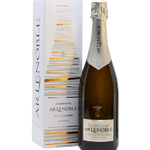
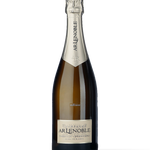
A good way to see this in practice is by comparing bottles from the same broader region but different stylistic aims. A. R. Lenoble Champagne Extra Brut "V.20" at HK$520 shows the appeal of a drier style. Built from Chardonnay, Pinot Noir, and Pinot Meunier, it is a strong reference point for readers weighing brut champagne vs extra brut.
If you prefer a softer, more generous style, Louis Roederer Carte Blanche Collection 245 at HK$550 gives you a useful entry into demi-sec Champagne. It can make more sense than a standard Brut if the bottle is headed to dessert service or a richer dinner table.
Most people can picture "Brut" as dry and "Demi-Sec" as sweet, but what they really want is the numeric range. Dosage is typically measured in grams per litre (g/L) of sugar after disgorgement. Producers can sit anywhere within the category, so think of these ranges as practical guideposts, not a guarantee of identical taste.
The "felt" sweetness is not just sugar. Acidity, ripeness, and producer style can shift perception a lot. A high-acid Brut can feel drier than you expect, while a softer-fruited Extra Brut can feel surprisingly easygoing despite the lower dosage. Ageing also matters, because a mature Champagne can show more creamy, pastry-like notes that read as "roundness," even when the dosage is low.
Two buying shortcuts:

The best Champagne style depends less on prestige language and more on the moment you want it to serve. A bottle for pre-dinner glasses calls for something different from a bottle meant for lobster, roast chicken, dim sum, or fruit tart. Choosing Champagne for dinner is often about texture and dosage as much as price.
For aperitif drinking, Brut and Extra Brut usually work best. Their freshness tends to wake up the palate. For richer main courses, a slightly broader style or a wine with more Pinot Noir in the blend may feel more complete. For dessert, Demi-Sec is often the more sensible choice because dry Champagne can taste severe beside sweetness.
Louis Roederer Collection 243 (Deluxe Gift Box) at HK$555 is a strong all-around Brut option when you want flexibility for entertaining or gifting. It carries the practical appeal of a recognised house style with presentation that suits celebrations and corporate occasions in Hong Kong.
If your meal is lighter and more seafood-driven, Blanc de Blancs can be especially compelling. Louis Roederer Brut Blanc de Blancs 2017 at HK$890 is made from Chardonnay and tends to appeal to drinkers looking for lift, precision, and a more focused expression.
Champagne labels do not always spell everything out in a beginner-friendly way, but grape composition can tell you a lot. Chardonnay-based Champagnes, especially Blanc de Blancs, often show more citrus, chalk, floral lift, and tension. Pinot Noir brings structure and breadth. Pinot Meunier can add approachability and fruit generosity, particularly in blends meant for earlier enjoyment.
This is where labels such as Blanc de Blancs become especially useful. They give you a reliable clue that Chardonnay is leading the style. A. R. Lenoble Champagne Gentilhomme Blanc de Blancs Grand Cru 2012 at HK$1,100 is the sort of bottle you consider when you want more pedigree, more precision, and a more serious expression of Chardonnay from Champagne.
By contrast, blended wines can offer more breadth and immediate generosity. Louis Roederer Champagne Brut Nature Cuvée Starck - Gift Box 2018 at HK$780 shows another route entirely. Brut Nature signals a very low-dosage style, so this bottle is better suited to drinkers who enjoy a firmer, drier profile rather than a plush one.
If you are already comfortable comparing grape style in still wines, some of that same thinking applies here. Structure, fruit weight, and aromatic shape matter. That is one reason cross-category comparisons can be educational, even if the wines are different. The Shiraz vs Syrah guide is a useful reminder that grape identity and winemaking choices always shape style.
Dosage and grape terms tell you a lot, but Champagne labels often hide other cues that affect how the wine is made, how it tastes, and sometimes why it costs what it does. You do not need to memorise them all, but recognising a few can make you a sharper buyer.
Many Champagne labels include small letter codes that describe who produced the bottle. These are regulated labelling terms used in Champagne, and while they do not guarantee quality, they can hint at intent and scale.
These codes provide context, not a ranking. An RM is not automatically better than an NM. It simply tells you something about sourcing and production structure.
Grand Cru and Premier Cru in Champagne are primarily village classifications. They can signal that the grapes come from highly regarded villages, but the final character still depends on grape variety, vineyard sites within the village, yield choices, blending, and ageing. In other words, the words can be meaningful, but they do not replace style matching.
Disgorgement is the step where the producer removes yeast sediment (lees) from the bottle after ageing, then tops up the wine, typically with the dosage. The time between disgorgement and when you drink the bottle can influence impression. A more recently disgorged Champagne may show brighter fruit, more lift, and a more overtly "fresh" profile. A bottle that has had more time post-disgorgement can show more integration, softer edges, and a slightly more savoury feel.
Some labels highlight late-disgorged or extended-ageing cues, for example "r.d." or similar language from certain producers, which typically points toward longer time on lees before disgorgement. The main takeaway is simple: disgorgement timing can affect freshness, texture, and how quickly the wine opens in the glass.
Your "must-check" items should change as you get more experienced.
Those extra details are most useful when you are buying for a specific pairing, ageing bottles, or comparing two similarly priced options where the "why" matters as much as the "what."
One of the most useful label distinctions in Champagne is whether the wine is vintage or non-vintage. Non-vintage bottlings are usually built to reflect the producer's house style across years. They often offer consistency, accessibility, and practical value for regular entertaining. Vintage Champagne is tied to one harvest and may show more specificity, more age-worthiness, and greater sensitivity to year conditions.
If your priority is dependable house character, bottles like A. R. Lenoble Champagne Extra Brut "V.20" or Louis Roederer Collection 243 (Deluxe Gift Box) make sense. If you want a more singular snapshot of a year, the vintage route becomes more attractive.
Louis Roederer Champagne Brut Nature Rosé Cuvée Starck - Gift Box 2015 at HK$780 is a good example of a more distinctive style choice for someone who wants more personality and a rosé expression. That can be especially appealing for gifting, romantic dinners, or readers who are ready to move beyond entry-level Champagne buying.
If you want to build confidence around this decision, the distinction is covered in more depth in the vintage vs non-vintage Champagne guide. Readers considering higher-tier bottles should also see the prestige cuvée Champagne guide for context on where luxury and collectibility begin to matter.

When it comes to prestige cuvée Champagne, the price jump can look dramatic. The best way to decide if it is worth it is to understand what you are paying for in the glass, not just what the label signals.
Many prestige bottlings are built around three practical differences:
A strong non-vintage Brut is often about freshness, balance, and immediate versatility. A prestige cuvée is often designed to show extra layers and a longer, more structured finish, sometimes with the kind of texture that holds up confidently against richer food.
Prestige cuvée pricing may be easier to justify when the occasion rewards nuance or collectibility:
Many gatherings do not need the extra complexity to succeed. For large dinners, corporate events, or mixed palates, a well-made Brut often delivers the best combination of approachability and value. It is also the safer choice if you do not yet know whether you love the autolytic, aged character that some prestige bottlings emphasise.
Prestige is not an automatic fit for every palate. Quality and style can vary by vintage, producer goals, and disgorgement choices. Some prestige cuvées lean very dry and mineral, others lean richer and more oxidative, and some are built for ageing rather than immediate pleasure. If you are curious, it is often worth tasting a producer's core Brut first, then moving upward once you know you enjoy their direction.
Once you understand dosage, grapes, and vintage, the final step is simple. Match one real bottle to one real occasion. That prevents overbuying on reputation alone.
For Hong Kong buyers, this is where a curated retailer matters. Bidvino's range is built around quality-focused producers and practical discovery, not just label recognition. The catalogue is also useful if you want to compare styles side by side before a dinner party, gift purchase, or event order. If you buy regularly, the Bidvino rewards programme adds another reason to keep your discoveries in one place.
If you are still narrowing down which Champagne to buy, start by choosing one dryness level and one use case. Then compare a Brut, an Extra Brut, and a Blanc de Blancs side by side. That teaches you more than memorising terms ever will. If your interest is moving upward into rarer bottlings, continue with the prestige cuvée Champagne guide. If you are still building foundation knowledge, return to the Champagne guide and focus on label reading, serving temperature, and non-vintage versus vintage selection.

Brut is usually the easiest starting point because it balances freshness with enough roundness to feel approachable. It works well as an aperitif and is flexible at the table. A bottle such as Louis Roederer Collection 243 (Deluxe Gift Box) shows why Brut remains the category many first-time buyers enjoy most.
Dosage is the small amount of sweetened wine often added after disgorgement to shape the final balance of the Champagne. It influences how dry or soft the wine feels, though it does not act alone. Acidity, fruit, and producer style still matter. That is why two Brut wines can taste quite different.
Extra Brut is typically drier than Brut and tends to feel leaner and more direct. Brut usually offers a little more softness and broader appeal. If you enjoy crisp, tension-driven sparkling wine, Extra Brut may suit you. If you want flexibility for mixed company or general entertaining, Brut often feels safer.
No. Brut Nature can be compelling because it is very dry and transparent, but it is not automatically the best style for every palate or occasion. It often rewards drinkers who enjoy precision and low-dosage tension. For broader dinner use or gifting, a well-made Brut may be the more versatile choice.
Demi-Sec makes sense with desserts, fruit-based dishes, or richer and slightly sweet-spiced food. It can also work for drinkers who find standard Brut too sharp. Louis Roederer Carte Blanche Collection 245 is a useful example of why sweeter Champagne categories still have a very real place at the table.
Blanc de Blancs means white from whites, and in Champagne it generally indicates a wine made from Chardonnay. These wines often show lift, precision, and a more focused line. They are often favoured with shellfish, lighter seafood, and elegant starters, though producer style always shapes the final result.
Buy non-vintage if you want a producer's consistent house style and a dependable bottle for entertaining. Buy vintage if you want a more year-specific expression and are open to greater variation in style and personality. The decision is not about one being universally better. It is about purpose and preference.
For gifting, presentation and versatility both matter. A well-known Brut in a gift box is usually a smart choice because it is easy to enjoy and occasion-friendly. Vintage Blanc de Blancs or rosé styles can feel more personal and distinctive if you know the recipient's taste well.
Start with three bottles only: one Brut, one drier style such as Extra Brut or Brut Nature, and one Blanc de Blancs. Taste them in that order and notice texture, fruit weight, and finish. That small comparison teaches you far more than browsing labels without a framework.
Most buyers find it easiest to orient Champagne into four core "types" based on style cues you will actually see while shopping: non-vintage (standard house blends, often labelled Brut), Blanc de Blancs (typically Chardonnay-led), Blanc de Noirs (white Champagne made from dark grapes like Pinot Noir and Pinot Meunier), and rosé. These are not the only categories that exist, but they cover a large share of real-world buying decisions because they connect directly to texture, fruit profile, and food pairing.
There is no single objective "top 5," because Champagne is not scored on one universal scale that fits every palate and occasion. The more reliable approach is to choose a top candidate within the style that fits your moment: a versatile Brut for entertaining, an Extra Brut or Brut Nature for a drier preference, a Blanc de Blancs for Chardonnay-led precision, a rosé for a more expressive gift, or a Demi-Sec for dessert. If you tell yourself which one of those roles you need, it becomes much easier to shortlist a few excellent options instead of chasing a generic ranking.
If you are managing diabetes, Champagne choice can be one small part of a broader nutrition and medical plan, so it is worth discussing alcohol use with your clinician. From a label-reading perspective, lower-dosage styles such as Brut Nature and Extra Brut typically contain less added sugar than Demi-Sec or Doux. That said, "dry" on a label does not make a drink risk-free. Alcohol can affect blood sugar, judgement, and medication response, and individual tolerances vary. If you decide to drink, moderation and food pairing are typically important, and choosing a lower-dosage style may be a more sensible starting point than sweeter categories.
Good Champagne buying is rarely about memorising status terms. It is about understanding dryness, grape composition, vintage, and the occasion in front of you. Once you know those four things, labels become much less intimidating. For most buyers, a versatile Brut is the easiest place to begin, while Blanc de Blancs, Brut Nature, and Demi-Sec each open up more precise style choices as your confidence grows. If you are shopping in Hong Kong and want a curated, sommelier-led range with strong gifting options and reliable delivery, browse Bidvino's Champagne selection and compare the bottles mentioned here side by side before you choose.
This article is written for informational purposes only. Wine and spirits are intended for adults of legal drinking age. Please enjoy responsibly. Product availability and pricing are subject to change — please check bidvino.com for current listings.
 Bidvino Customer Service