0
item(s)
View cart
You have no items in your shopping cart.

Choosing sparkling wine for an everyday toast, a dinner party, or a major celebration starts with understanding how much style, complexity, and ceremony you want in the glass. Champagne, Prosecco, and Cava each arrive there by different methods, but this comparison focuses on two vintage Champagnes at sharply different price tiers: Louis Roederer Cristal Brut Vintage 2016 and A. R. Lenoble Champagne Blanc de Blancs Brut Grand Cru 2012. Cristal is the grand statement for landmark gifting and formal occasions, while A. R. Lenoble offers a more focused Chardonnay-led Grand Cru experience for readers seeking mature Champagne character without moving into Cristal territory. For broader context on the category, start with this Champagne Guide: Styles, Vintages & How to Choose.
Choose Cristal 2016 if the bottle itself needs to make an impression at a milestone dinner, prestigious gift exchange, or formal celebration. Choose A. R. Lenoble Blanc de Blancs 2012 if you want vintage, Grand Cru, Chardonnay-based Champagne with aromatic detail and a more restrained entry point. For everyday sparkling occasions, Prosecco or Cava may be more appropriate than either prestige Champagne.
| Comparison Point | Louis Roederer Cristal Brut Vintage 2016 - Gift Box | A. R. Lenoble Champagne Blanc de Blancs Brut Grand Cru 2012- Naked bottle |
|---|---|---|
| Price | $2550.00 | $790.00 |
| Target user | Collectors, formal gifters, and hosts planning a landmark occasion | Champagne drinkers seeking a vintage Blanc de Blancs with Grand Cru positioning |
| Key strength | Prestige presentation in a gift box and a high-scoring fine-wine positioning | Single-harvest Chardonnay expression with detailed mature aromatics |
| Key weakness | A substantial commitment for casual gatherings | A naked bottle is less immediately gift-ready |
| Best for | Major anniversaries, corporate gifts, and ceremonial dinners | Champagne-focused dinners, thoughtful personal gifts, and comparative tastings |
| Worst for | Large, informal parties where guests are likely to mix drinks | Buyers who want a prestige gift box or a broad Pinot Noir-led Champagne style |
The clearest Champagne vs Prosecco difference begins with production. Champagne is made in France’s Champagne appellation and traditionally undergoes its second fermentation in the bottle. This method generally creates finer mousse and the potential for savory, bready, or nutty development with time.
Prosecco is usually made from Glera in Italy, often through a tank-fermentation method. Its appeal tends to be immediacy: fresh fruit, floral lift, and easy sociability. It is an excellent choice for a casual aperitif, spritz, or daytime gathering where freshness matters more than cellar-aged complexity.
Cava is made in Spain using bottle fermentation, like Champagne, but it is shaped by different grapes and regional traditions. It can be an appealing route for readers who enjoy dry, structured sparkling wine but do not require Champagne’s appellation or prestige cues. The important lesson is not that one method “wins” universally. The right sparkling wine depends on the occasion, the food, and whether you want bright simplicity or layered maturity.
For a closer look at dosage and Champagne style, read How to Choose Champagne: Brut, Dosage & Style Explained.

Price reflects more than whether a sparkling wine is good. Champagne production is governed by its appellation, and its bottle-fermentation process, vineyard sourcing, aging expectations, and established prestige can all contribute to a higher final price. Cava also uses bottle fermentation, but it comes from a different region with different grapes and production traditions. Prosecco is commonly made through tank fermentation, a method that can support a fresh, fruit-forward style at a lower production cost.
A lower price does not automatically signal lower quality. Cava may be the more suitable choice for a dry, food-friendly gathering where you want bottle-fermented character without Champagne pricing. Prosecco can be the better fit for a relaxed aperitif or spritz, where its floral, straightforward fruit profile is part of the appeal. Choose Champagne for a formal meal, vintage expression, or a bottle that carries ceremonial weight. Choose Cava or Prosecco when the budget, food, and informality of the event point toward their respective styles.

Picture handing over a bottle that needs no ribbon, no card, no last-minute trip to find wrapping paper—that's the promise of Louis Roederer Cristal Brut Vintage 2016 in its Gift Box, listed at $2550.00 in the fine-wine Champagne Brut category. Built from the timeless pairing of Chardonnay and Pinot Noir, it speaks the classic language of Champagne structure while carrying a presentation instantly ready for the moments that call for something memorable.
This is the Champagne to choose when the act of opening the bottle is part of the event. A milestone birthday, wedding celebration, important business dinner, or significant personal thank-you can justify a prestige cuvée more readily than a casual Friday gathering.
Think of Dom Pérignon or Cristal—these are the wines a house builds its whole reputation around. A prestige cuvée comes from the choicest grapes a producer can get their hands on, then spends extra time resting and developing before release. It's less a category than a statement: this is what we're truly capable of, not just something poured for a casual celebration. That said, plenty of wonderful, luxurious Champagnes never earn the official prestige cuvée label at all.
That position does not mean every buyer will prefer a prestige cuvée to a focused Blanc de Blancs. A Chardonnay-led Champagne may be the more interesting choice for a food-centered dinner or a small group interested in comparing vintage character. Cristal’s 2016 vintage identity, Chardonnay and Pinot Noir composition, and gift-box presentation instead make a strong case for moments where the bottle needs to communicate occasion and appreciation before the first pour.


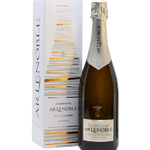
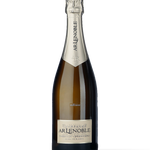
A. R. Lenoble Champagne Blanc de Blancs Brut Grand Cru 2012- Naked bottle is priced at $790.00. It is a French Champagne from a single harvest year, made in a Blanc de Blancs style from Chardonnay. The wine is described with a toasty undertone, honey, candied apricot, fresh hazelnut, candied citrus, aniseed, and menthol on the finish.
Those details point toward a Champagne for a table rather than merely a toast. Its mature aromatic profile invites slower attention, especially alongside food with savory depth. As a naked bottle, it is best for buyers who value what is inside the glass and are comfortable choosing their own presentation for a gift.
Blanc de Blancs Champagne is commonly Chardonnay-based, which may bring freshness, citrus character, and a more linear structure. With aging, it can also develop toast, pastry, honey, or nutty notes, as the aromatic profile of A. R. Lenoble Blanc de Blancs 2012 suggests. Champagne blends containing Pinot Noir may show a broader, more vinous structure alongside their fruit and freshness.
Lenoble’s Chardonnay focus may suit a food-led dinner where guests can follow its detailed aromas across the meal. Cristal’s listed Chardonnay and Pinot Noir blend may be a better match for a broader celebratory service, especially where the bottle is poured as an aperitif and shared across several courses. Grape composition is only one selection factor. Vintage, dosage, serving temperature, and the occasion all influence which Champagne will feel most appropriate.
Cristal occupies the prestige tier at $2550.00, while A. R. Lenoble sits at $790.00. That difference should guide the occasion rather than become a shortcut for judging quality. Cristal is the stronger choice where visual impact, recognizability, and formal gifting are central to the moment.
A. R. Lenoble is the more targeted choice for a small dinner, a Champagne lover’s birthday, or a host who wants to introduce guests to the character of a vintage Blanc de Blancs. Its single-harvest identity gives the bottle a clear conversation point, while Chardonnay provides a distinct lens on Champagne compared with blends that include Pinot Noir.
Winner on this dimension: Louis Roederer Cristal 2016, because its gift-box presentation and prestige positioning suit high-ceremony occasions more directly.
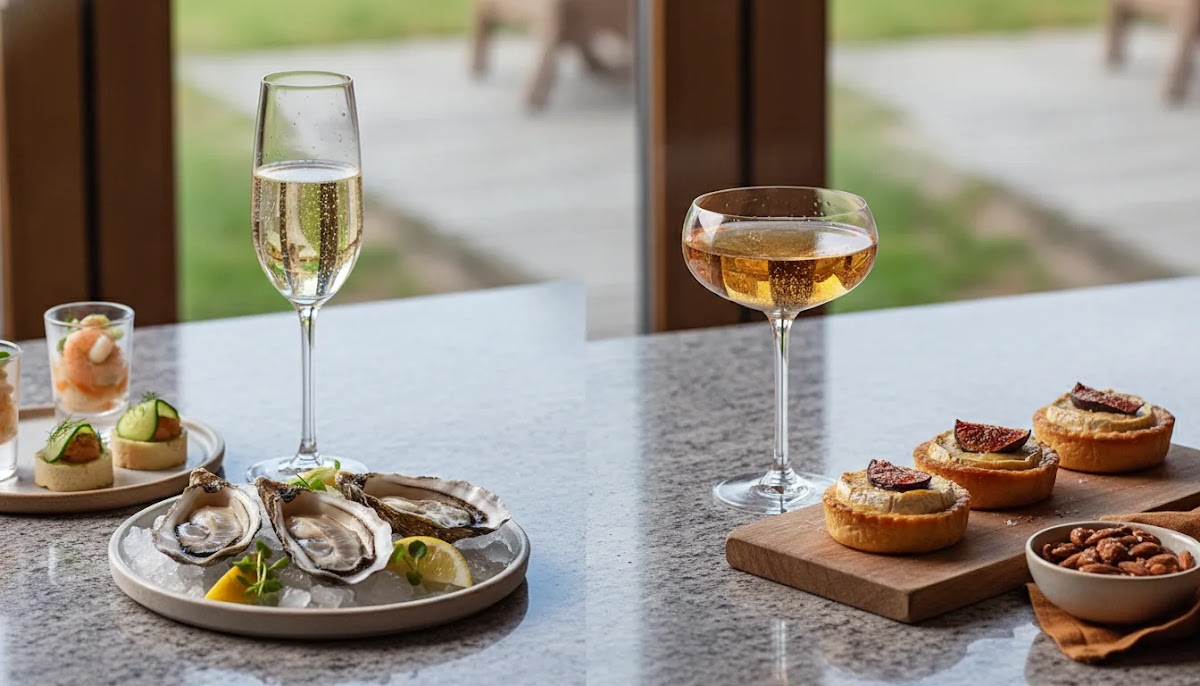
Louis Roederer Cristal 2016 combines Chardonnay and Pinot Noir, a classic Champagne pairing that may appeal to buyers looking for a broad, balanced fine-wine expression. It suits celebratory service, where the bottle is likely to be enjoyed first as an aperitif and then across the opening courses of a meal.
A. R. Lenoble Blanc de Blancs 2012 is specifically Chardonnay-based. Its reported toast, honey, hazelnut, candied citrus, aniseed, and menthol notes make it a compelling fit with roast poultry, butter-poached seafood, aged Comté, or mushroom dishes. Avoid serving either bottle too cold, as very low temperatures can mute aromatic detail.
Winner on this dimension: A. R. Lenoble Blanc de Blancs 2012, because its documented aromatic character offers the clearer route to deliberate food pairing.
Vintage is another useful dividing line. A single harvest can show the conditions and decisions of one year more clearly than a multi-vintage blend. Learn more through Vintage vs Non-Vintage Champagne: What's the Real Difference?.
Choose Louis Roederer Cristal 2016 if you are marking an occasion where presentation carries weight: a major anniversary, an important client gift, a wedding dinner, or a personal milestone. It is the better fit for a buyer who wants the bottle to communicate significance before it is poured.
Choose A. R. Lenoble Blanc de Blancs 2012 if your priority is a more intimate Champagne experience. It is especially suitable for a dinner of two to six guests, a thoughtful gift for someone who enjoys Chardonnay, or a side-by-side tasting where the discussion centers on vintage character and bottle-fermented complexity.
If you are hosting a larger casual crowd, the best budget sparkling wine is often not prestige Champagne at all. Prosecco can bring lively freshness to aperitifs, while Cava can offer a bottle-fermented alternative for food-friendly gatherings. Save either of these Champagnes for a moment where guests can notice their differences.
Bidvino curates wines with attention to producer craft, origin, and the occasion each bottle serves. For repeat discovery, Hong Kong buyers can also explore the Bidvino rewards program while building a more personal sparkling-wine repertoire. The same attention to grape expression can be useful beyond bubbles, as explored in Shiraz vs Syrah: Same Grape, Completely Different Wines.
Neither is automatically better. Champagne is usually chosen for bottle-fermented complexity, fine mousse, and a more formal sense of occasion. Prosecco is often chosen for fresh fruit character, approachability, and relaxed aperitif drinking. The better choice depends on whether you want layered wine detail or easy, immediately expressive sparkling refreshment.
Cava is generally closer to Champagne in production method because it is bottle fermented. That does not make it identical to Champagne. Different grape varieties, regions, and aging practices shape its style. Prosecco’s common tank-fermentation approach often emphasizes primary fruit and floral aromas more directly than either Cava or Champagne.
Cava can be excellent, but it is not intended to be identical to Champagne. Both use bottle fermentation, yet different grapes, regions, production rules, and aging traditions shape the final wine. A well-chosen Cava may be a strong option for a dry, food-friendly occasion, while Champagne may be preferred for its appellation character, vintage focus, or ceremonial role.
Neither category is automatically higher quality. Cava’s bottle-fermentation method can appeal to drinkers who want a more structured sparkling wine with savory development. Prosecco is often selected for its direct fruit, floral character, and easy aperitif style. The better choice depends on the meal, the formality of the gathering, and the style you enjoy.
Cava may cost less because it is produced in a different region under different production rules, vineyard costs, and market conditions. Champagne’s appellation, established prestige, grape sourcing, and aging expectations can contribute to higher prices. Price alone does not determine quality, particularly where Cava suits the intended food or occasion better.
For prestige gifting and high-ceremony celebrations, Cristal 2016 is the stronger selection because of its gift-box presentation and fine-wine positioning. For a Chardonnay-focused vintage Champagne experience at a lower price tier, A. R. Lenoble Blanc de Blancs 2012 is the more suitable purchase. The better bottle is determined by the occasion.
A. R. Lenoble Blanc de Blancs 2012 is likely the more appropriate choice for a dinner party where guests will pay attention to the wine with food. Its $790.00 price and documented notes of toast, honey, hazelnut, candied citrus, aniseed, and menthol give it a clear food-oriented personality. Cristal is better reserved for more ceremonial hosting.
Champagne can be an appropriate corporate gift when the occasion calls for a refined, celebratory gesture. A presentation-ready bottle such as Cristal 2016 is particularly suited to that role. Consider the recipient’s relationship with wine, the formality of the occasion, and whether the gift needs to communicate a significant level of appreciation.
Picture a glass that practically hums with citrus zest, white blossom, and a chalky mineral edge, sometimes drifting into buttery pastry notes as it opens up. That's the signature of a well-made Blanc de Blancs, a term that translates simply to "white from whites." Within Champagne, this label points almost exclusively to Chardonnay, though the grape's character shifts depending on where it's grown, the year it was harvested, and how long it's been given to mature. A. R. Lenoble's 2012 Blanc de Blancs is a fine case in point, crafted entirely from Chardonnay and showcasing what this single varietal can achieve when given time and care.
Choose dishes that respect the wine’s detail rather than overpowering it. Roast chicken, scallops, crab, creamy risotto, mushroom dishes, and nutty aged cheeses can work well. For A. R. Lenoble Blanc de Blancs 2012, the stated toasted, honeyed, hazelnut, and candied-citrus character suggests savory dishes with gentle richness rather than very spicy food.
Chilling is important, but extremely cold service can hide aroma and texture. For a simple, fruit-forward Prosecco, a colder pour can be pleasant. For vintage Champagne, allow a little time in the glass so its aroma can emerge. Bottle condition, storage, and individual preference will affect the experience.
For the most formal occasion, Cristal 2016 is the clear pick. For a vintage, Chardonnay-led Champagne dinner, A. R. Lenoble Blanc de Blancs 2012 offers the more focused route.
| Rank | Product | Best For | Price |
|---|---|---|---|
| 1 | Louis Roederer Cristal Brut Vintage 2016 - Gift Box | Milestone gifts and formal celebrations | $2550.00 |
| 2 | A. R. Lenoble Champagne Blanc de Blancs Brut Grand Cru 2012- Naked bottle | Vintage Champagne dinners and Chardonnay-focused discovery | $790.00 |
Here's how we'd sum it up. When the moment calls for a showstopper — think special gifts and picture-perfect presentation — reach for the Louis Roederer Cristal Brut Vintage 2016 in its Gift Box. But if you're after something quieter and more refined, a Chardonnay-forward Champagne meant to be savored slowly alongside a meal, the naked bottle of A. R. Lenoble Champagne Blanc de Blancs Brut Grand Cru 2012 is the one to pour. As for Prosecco and Cava, they still have their place at the table, just not this one. They're built for easygoing, everyday bubbles rather than the kind of dedicated Champagne moment these two bottles are made for.
Shop Louis Roederer Cristal 2016 →
Shop A. R. Lenoble Blanc de Blancs 2012 →
A quick note before you pour: Bidvino believes great wine is best enjoyed responsibly, and everything you read here is meant for adults of legal drinking age. Our tasting impressions and scores come from the honest opinions of our own editorial crew, and since every bottle has its own story, factors like vintage, how it's been stored, and your personal taste can all shift the experience. Prices and availability move too, so for the latest details, swing by bidvino.com.
 Bidvino Customer Service