0
item(s)
View cart
You have no items in your shopping cart.

What is Lambrusco wine? Lambrusco is a family of Italian sparkling red wines, usually made in Emilia-Romagna from native Lambrusco grape varieties and ranging from dry, lightly fizzy styles to fruitier, sweeter expressions. It is typically low in tannin, vibrant in acidity, and designed to be enjoyed with food rather than treated as a novelty pour.
Modern Lambrusco has moved well beyond the overly sweet, simple versions that shaped its reputation abroad decades ago. Today, thoughtful producers make wines with real regional identity: pale, floral Lambrusco di Sorbara; darker, more structured Lambrusco Grasparossa; and generous, juicy Lambrusco Salamino. For a broader introduction to bubbles from Italy and beyond, explore Sparkling Wine Styles Beyond Champagne.
Lambrusco comes principally from Emilia-Romagna in northern Italy, a region where serious eating and local wine culture have long developed side by side. The area is associated with Parmigiano Reggiano, Prosciutto di Parma, mortadella, balsamic vinegar, tortellini, and cured meats. A fresh red with lively bubbles makes sense here because it refreshes the palate between rich, salty, savory bites.
Rather than referring to one grape alone, Lambrusco is a group of related indigenous varieties. The region’s soils, vineyard sites, and grape selection make a major difference to the finished wine. That is why a pale Lambrusco di Sorbara can feel completely unlike an inky, softly tannic Lambrusco Grasparossa.
For wine drinkers accustomed to still reds, Lambrusco offers a useful reminder that red wine does not need to be heavy, oaky, or high in alcohol to have character. Its modern revival is rooted in this sense of place: growers and producers are increasingly emphasizing local varieties, carefully managed sweetness, and a fresher expression of fruit.
Most Lambrusco is made using a tank method, often called the Charmat or Martinotti method. After the grapes are fermented into base wine, a second fermentation takes place in a pressurized tank. Carbon dioxide produced during fermentation is retained, creating the wine’s gentle sparkle.
This approach suits Lambrusco because it preserves the grapes’ direct fruit character and aromatic freshness. Expect flavors that can suggest sour cherry, raspberry, blackberry, violet, hibiscus, plum skin, or cranberry, depending on the variety and sweetness level.
Producers can control the final pressure, sweetness, and balance by deciding when to stop fermentation or how to blend the finished wine. The goal in a good bottle is not simply sweetness or bubbles. It is a balance of fruit, acidity, texture, and a clean finish that encourages another bite of food.
Lambrusco may be labeled frizzante, meaning gently sparkling, or spumante, meaning more fully sparkling. Frizzante is often the more traditional and relaxed expression, with a softer mousse and less pressure. Spumante generally feels more energetic and celebratory in the glass.
Still versions exist, though they are less commonly encountered outside Italy. They can reveal the grape’s earthy, floral, and savory side without the lift of bubbles. Sparkling Lambrusco remains the region’s defining style.
The name on a Lambrusco label can tell you a great deal about the expected color, structure, and food pairing potential. These are broad tendencies rather than fixed rules, since vineyard choices and producer style still matter.
Lambrusco di Sorbara is often the palest and most fragrant major style. It can look more like a deep rosé than a conventional red wine, with bright red berry fruit, floral perfume, brisk acidity, and a delicate structure. Its freshness makes it particularly appealing with seafood, fried snacks, charcuterie, and dishes with chili or tangy sauces.
Lambrusco Grasparossa is generally deeper in color and more robust in feel. It tends to show darker berry fruit, violet notes, a fuller mousse, and more noticeable tannin than Sorbara. This is the style to consider with grilled meats, sausages, slow-cooked pork, and richly seasoned Cantonese roast dishes.
Lambrusco Salamino often sits between the two. It can offer dark cherry and blackberry flavors, moderate tannin, and a rounder profile than Sorbara while staying more lifted than many Grasparossa wines. It is a flexible choice for pizza, burgers, cured meats, and tomato-based pasta dishes.
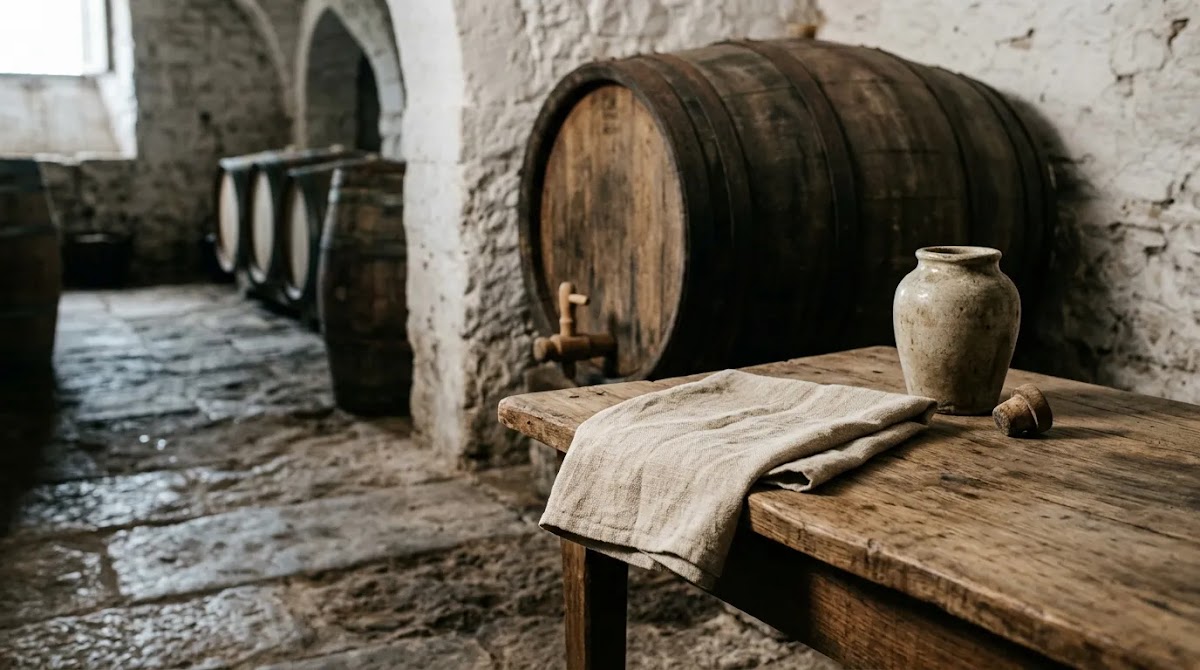
Lambrusco is produced across several DOC zones in Emilia-Romagna and neighboring Lombardy. Modena and Reggiano are particularly important areas, while Colli di Parma and Lambrusco Mantovano also show how the wine changes across different places. Each designation has its own production rules, permitted grapes, and local traditions.
Sorbara, Grasparossa, and Salamino are the most recognizable names, but they are not the only Lambrusco varieties or appellations. A bottle may identify a grape, a DOC, or both. That distinction matters because the same broad family of grapes can produce wines with very different color, perfume, tannin, and texture.
A useful label-reading routine is to first identify the DOC, then look for the grape or style name, and finally check the sweetness term. A Lambrusco di Sorbara DOC labeled secco will usually offer a very different experience from a sweeter Reggiano bottling, even though both belong to the wider Lambrusco tradition.
One of the most persistent misunderstandings about Lambrusco is that it must be sweet. Sweet Lambrusco certainly exists, and it can be enjoyable with the right food or occasion, but many of the most compelling modern examples are dry or only lightly off-dry.
Look for terms such as secco for dry, amabile for medium-sweet, and dolce for sweet. These terms are useful starting points, although perceived sweetness also depends on acidity, tannin, and temperature. A wine with some residual sugar can still taste lively and balanced if it has enough acidity.
Dry Lambrusco is often the easiest place to begin if you enjoy crisp rosé, Beaujolais, or lighter Italian reds. Amabile Lambrusco can work beautifully with spicy food because a little sweetness tempers heat. Dolce versions are best approached as distinctly sweet sparkling reds, not as substitutes for dry dinner wine.
Lambrusco is most often red, but rosé and occasional white expressions also exist. Rosé-toned versions are generally made with shorter contact between the grape juice and skins, creating a paler color and a fresher red-fruit profile. They may show strawberry, raspberry, citrus, and floral notes while retaining the lively bubbles associated with the category.
White Lambrusco is less common and may be made with minimal skin contact, even though many Lambrusco grapes have dark skins. These wines can be useful as relaxed aperitifs or casual pours before a meal, particularly for drinkers who prefer lighter colors and brighter fruit.
Color does not reliably indicate sweetness. A pale rosé Lambrusco may be dry, while a darker red wine may be amabile or dolce. Check the label for secco, amabile, or dolce before buying, then choose a style that suits the food and occasion.
Lambrusco is among Italy’s most food-friendly sparkling wines because it combines acidity, fruit, and bubbles with relatively modest alcohol. The bubbles lift fatty foods, while the wine’s fruit can meet sweet-salty glazes, tomato sauces, and aromatic spices without becoming cloying.
In Hong Kong, dry Lambrusco can be a particularly engaging partner for siu mei, crispy roast pork, char siu, fried chicken, dumplings, and barbecue. A lightly sweet style can suit dishes with chili, hoisin, or sweet soy elements. Sorbara’s freshness can work with fried calamari, prawn toast, or sashimi with a soy-based dressing, while Grasparossa has the depth for roast goose or beef short ribs.
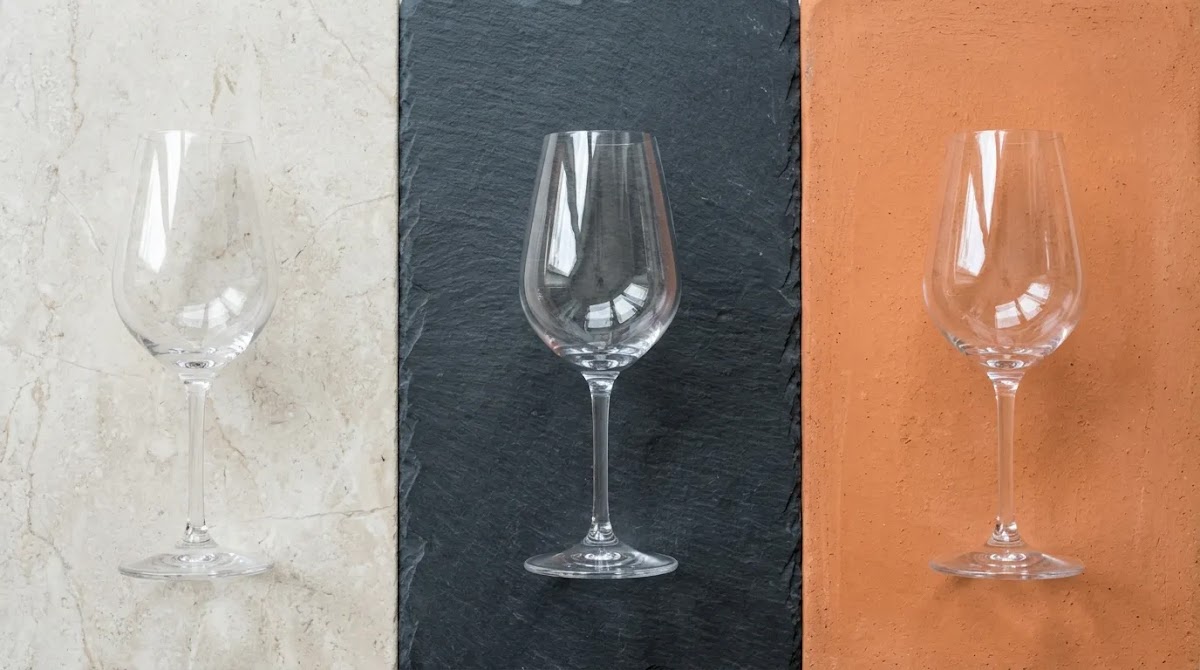
Serve Lambrusco chilled, generally around 10 to 14°C. This may feel unusual for red wine drinkers, but warmth can make the wine seem softer and less precise. A regular wine glass is often more useful than a narrow flute because it allows the floral and berry aromas to open.
Lambrusco differs from most familiar sparkling wines because it is usually red, made from a group of local grape varieties, and built around fruit and food compatibility rather than autolytic, toast-like complexity. It can be dry, but its fruit profile is usually more immediate than traditional-method sparkling wine.
Prosecco is usually white, aromatic, and based primarily on Glera grapes, while Lambrusco is red or rosé-toned and typically more savory or berry-driven. If you are deciding between these two Italian styles for an aperitif or meal, see Prosecco vs Champagne: Taste, Price & Key Differences for a useful comparison of sparkling wine traditions.
Cava is usually made in Spain by the traditional method and often shows more citrus, apple, almond, and bread-like notes from bottle aging. Lambrusco generally offers a more direct fruit-led experience. Our Cava Wine Guide: Spain's Best Answer to Champagne explains why production method shapes those differences.
Lambrusco is also not simply “sparkling Shiraz.” Sparkling Shiraz is commonly richer, more alcoholic, and more intensely structured, while Lambrusco tends to feel lighter and brighter. The distinction between grape naming and regional style becomes clearer in Shiraz vs Syrah: Same Grape, Completely Different Wines.

Lambrusco makes particular sense when a table includes sharing dishes rather than a single formal main course. It is an easy wine to pour alongside pizza night, Italian cured meats, dumpling spreads, grilled skewers, or casual celebrations where a chilled red feels more appropriate than a heavyweight bottle.
It is also a useful choice for drinkers who want to explore beyond the usual categories. Someone who enjoys dry rosé may appreciate Lambrusco di Sorbara. A drinker who prefers juicy, dark-fruited reds may respond better to Grasparossa. Those who enjoy aromatic sparkling wines with spicy food may find an amabile style especially appealing.
The modern Lambrusco revival is most rewarding when you approach it as a regional wine with several identities, not as one fixed sweet style. Read labels closely, serve it cool, and let the food shape the choice.
No. Lambrusco can be dry, off-dry, medium-sweet, or sweet. Look for secco if you want a dry style, amabile for a softer medium-sweet expression, and dolce for sweet. Acidity and temperature also affect how sweet it tastes, so a well-made amabile wine may still feel fresh rather than heavy.
Lambrusco is both. Most examples are sparkling red wines, though their color can range from pale ruby to deep purple. Some producers also make rosé-toned or still versions. The best-known examples are red and gently sparkling, often labeled frizzante or spumante.
Lambrusco commonly shows red cherry, raspberry, blackberry, plum, violet, and cranberry notes. Dry wines may also show savory, earthy, or slightly bitter tones that make them especially effective with food. The exact profile depends on the Lambrusco variety, vineyard area, sweetness level, and winemaking choices.
Dryness is determined by the individual wine rather than the appellation alone, but Lambrusco di Sorbara is often made in a dry, high-acid style. Its delicate color, tart red fruit, and floral character can make it feel particularly crisp. Always check the label for secco or ask about the producer’s intended sweetness level.
Lambrusco di Sorbara is usually paler, more floral, and sharper in acidity, with delicate red-fruit flavors. Lambrusco Grasparossa is generally darker, fuller, and more tannic, with blackberry, plum, and violet notes. Sorbara often suits lighter foods, while Grasparossa can stand up to grilled meats and richer roasts.
Yes. Serve most Lambrusco around 10 to 14°C. Chilling keeps the bubbles lively, emphasizes acidity, and helps the fruit taste fresh. A bottle served too warm may seem broader, sweeter, and less balanced. Place it in the refrigerator before serving, then allow a few minutes in the glass if it seems overly cold.
Lambrusco works particularly well with cured meats, pizza, pasta with tomato sauces, fried foods, barbecue, grilled sausages, and rich pork dishes. In Hong Kong, it can also complement roast meats, dumplings, crispy dishes, and foods with sweet-savory sauces. Choose drier styles for salty foods and slightly sweeter styles for spicy dishes.
Both wines are sparkling, but they are made from different grapes, come from different regions, and usually offer very different flavor profiles. Champagne is typically white and often shaped by bottle aging, while Lambrusco is commonly red, fruit-led, and made for easy pairing with food. Their bubbles serve different regional traditions.
Lambrusco and Prosecco are both Italian sparkling wines, and both can work well as aperitifs or relaxed casual drinks. Their grapes and flavors differ significantly. Prosecco is generally white, aromatic, and apple or pear-led, while Lambrusco is usually red or rosé-toned, with berry fruit, more savory notes, and sometimes gentle tannin.
Drink Lambrusco chilled, generally around 10 to 14°C, in a regular wine glass rather than a narrow flute. It works especially well with food, but a dry or rosé-toned bottle can also be a refreshing aperitif. Open it carefully, since frizzante and spumante wines retain pressure from their bubbles.
Riunite Lambrusco is widely associated with a sweet or semi-sweet style. The exact sweetness can vary by bottling and market, so check the current label for terms such as amabile or dolce. If you prefer a dry expression, look for a Lambrusco labeled secco.
Lambrusco is made from a family of related native Italian grape varieties, rather than one single grape. Lambrusco di Sorbara, Lambrusco Grasparossa, and Lambrusco Salamino are among the best-known varieties. Producers may use one variety or permitted blends, depending on the DOC rules and the style they want to produce.
Most Lambrusco is intended for early drinking, when its fruit and bubbles are most expressive. A more serious, dry, structured example may develop over a short period, but it is rarely purchased for long-term cellaring in the way that fine Barolo or vintage Champagne might be. Storage conditions remain important for freshness.
Lambrusco earns its place as one of Italy’s most characterful sparkling wines because it brings regional identity to the table in a direct, joyful form. A dry Sorbara can be floral and bracing, a Grasparossa can bring darker fruit and grip, and an amabile expression can make spicy dishes feel more harmonious. The most useful way to approach it is through grape, appellation, sweetness, and the food you plan to share. Continue building your sparkling wine vocabulary through Bidvino’s sparkling wine styles resources.
A quick note before you pour: Bidvino believes in enjoying wine responsibly, and everything you read here is meant for those 18 and older. Our team tastes and evaluates each bottle with care, but keep in mind that flavor impressions can shift depending on the vintage, how the wine was stored, and simply what your own palate prefers. Prices and stock levels also change from time to time, so it's always worth visiting bidvino.com to confirm what's currently available.
 Bidvino Customer Service