0
article(s)
Voir le panier
Vous n'avez aucun article dans votre panier.
Choosing between Cabernet Sauvignon and Zinfandel is a daily drinkers dilemma: do you prioritize Cabernet’s structure, longevity, and polish or Zinfandel’s exuberant fruit, spice, and versatility? To keep variables controlled, this head‑to‑head puts two 2022 wines from the same historic Californian estate side by side, so differences come from varietal rather than producer. If you’re a Hong Kong collector deciding what to open, gift, or stash for the next few years, this guide is for you. Both wines featured in this comparison are available through Bidvino's authenticated collection with verified provenance and Hong Kong storage.
| Feature | Wente Vineyards Southern Hills Cabernet Sauvignon 2022 | Wente Vineyards Beyer Ranch Zinfandel 2022 |
|---|---|---|
| Price (HKD) | Approx. 125 | Approx. 115 |
| Vintage | 2022 | 2022 |
| Region | Livermore Valley, California, USA | Livermore Valley, California, USA |
| Grape Variety | Cabernet Sauvignon | Zinfandel |
| Critic Score | — | — |
| Drinking Window | Now–2027 | Now–2028 |
| Best For | Classic steak pairing, smart everyday gifting | BBQ, spice‑friendly dinners, casual entertaining |
Note: Prices are approximate in HKD. Verify current pricing with Bidvino.
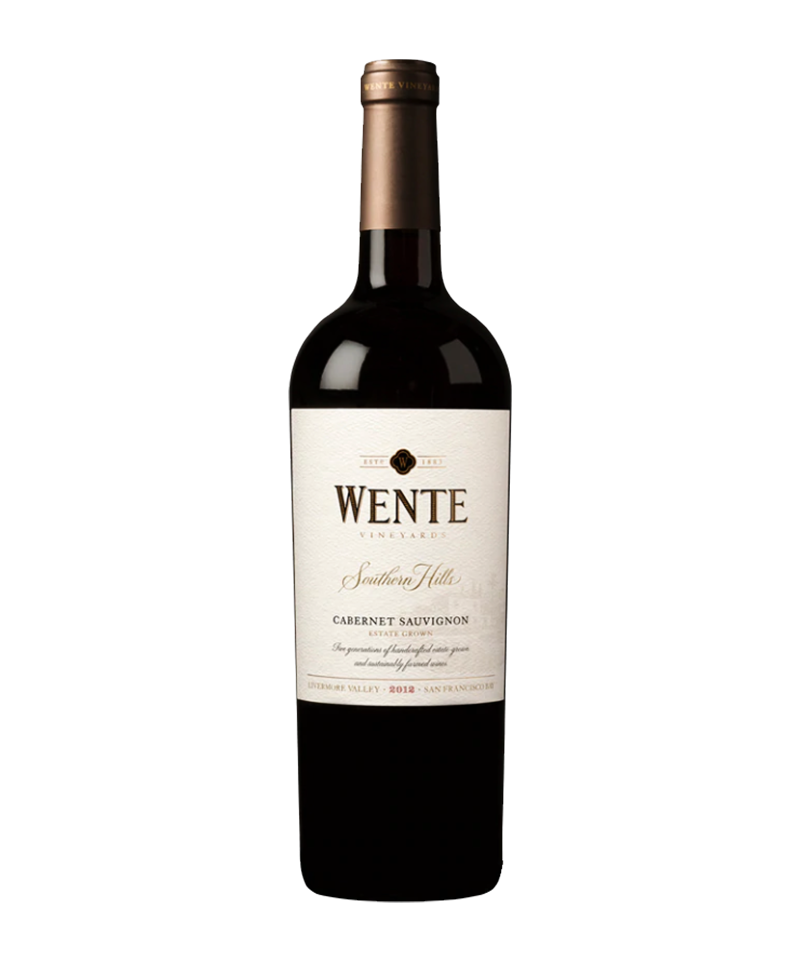
Producer: Wente Vineyards
Region: Livermore Valley, California, USA
Vintage: 2022 (warm, low‑yield, concentrated fruit)
Grape Variety: Cabernet Sauvignon
Alcohol: 13.5%
Critic Score: —
Price: Approx. HKD 125
Drinking Window: Now–2027
Available at: Our vintages change seasonally. Check what is in stock here: Bidvino
Founded in 1883, Wente Vineyards is one of California’s longest‑running, family‑owned estates. Livermore Valley’s marine‑influenced climate and gravelly, well‑drained soils have long suited Cabernet Sauvignon. The Wente family’s focus on sustainable farming and practical cellar craft yields varietally honest wines that emphasize balance over brute force. Southern Hills sits in the brand’s “reliable classic” tier: a Cabernet built for everyday drinking, with enough polish to satisfy traditionalists who value clarity of fruit, measured oak, and a tidy finish.
California’s 2022 season was marked by drought and a short, intense heat spike around early September. In Livermore Valley, careful irrigation management and vigilant picking windows were key. Heat concentrated berries, reducing yields but boosting mid‑palate weight. For Cabernet, that translated to ripe black‑fruit cores and firmer tannic outlines. Done well, the result is a varietal that feels complete at release yet remains stable for several years in bottle.
Visual: Deep ruby with a garnet rim; medium+ concentration; clean and bright.
Nose: Blackcurrant, blackberry, and black cherry framed by cocoa, sweet baking spice, and a hint of cedar/“Livermore dust.”
Palate: Medium to medium‑full body; cassis and dark cherry upfront; balanced acidity; fine, grainy tannins; discreet chocolate and gingerbread from oak integration.
Finish: Medium+ length; dark fruit and cocoa echo with a light graphite lift.
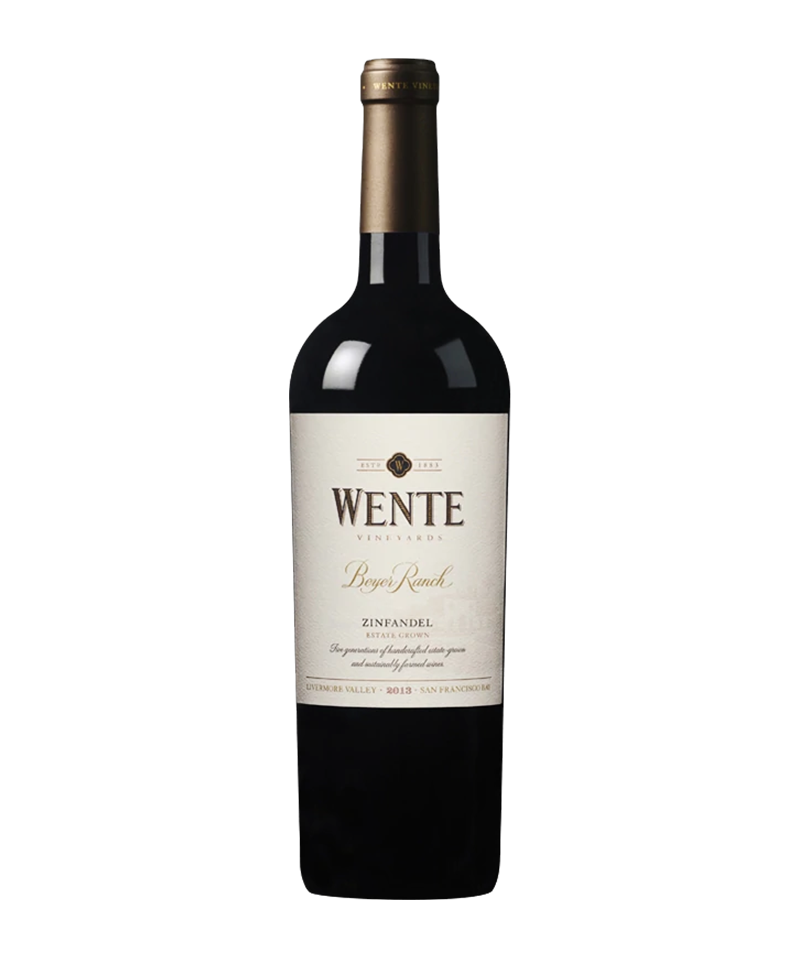
Producer: Wente Vineyards
Region: Livermore Valley, California, USA
Vintage: 2022 (ripe, fruit‑forward, concentrated)
Grape Variety: Zinfandel
Alcohol: 14.5%
Critic Score: —
Price: Approx. HKD 115
Drinking Window: Now–2028
Available at: Our vintages change seasonally. Check what is in stock here: Bidvino
Wente’s long Livermore history extends beyond Cabernet. Beyer Ranch Zinfandel taps older‑vine material and warmer valley pockets where Zin ripens fully, building plush fruit and the variety’s signature spice. Zinfandel is famously the same grape as Primitivo (and genetically linked to Croatia’s Crljenak Kaštelanski), but California has given the variety a distinct expression—brambly fruit, black pepper, and a generous mid‑palate that thrives with hearty cuisine.
The 2022 heat spike concentrated Zinfandel’s skins and accelerated ripening. Producers who managed sun exposure and picked in staggered passes retained freshness while capturing ripe berry cores. Sorting matters: Zin clusters can include berries at different ripeness levels. The best lots show saturated color, lavish blackberry/blueberry fruit, and the lively pepper/cola notes that make the grape so distinctive.
Visual: Dark ruby‑purple, high viscosity, staining tears.
Nose: Ripe blackberry and blueberry, briar, cola, baking spice; creamy oak in the background.
Palate: Medium‑full body; juicy black and blue fruits; soft acidity; supple, velvety tannins; peppery snap and a hint of vanilla.
Finish: Medium+ length; fruit and spice carry with gentle warmth.
Both wines come from 2022—a warm, low‑yield California vintage shaped by a brief, intense heatwave. In Livermore Valley, the warmth concentrated flavors, and timely harvesting preserved balance. Cabernet Sauvignon benefited through firmer skins and defined tannin lines; Zinfandel gained plush, sweet‑fruited cores with lively spice. There’s no flawed vintage signal here—just two classic, varietal‑driven outcomes from the same climate story, handled by the same estate.
Edge: Cabernet Sauvignon – better structural definition from 2022’s tannin development.
If you like linear, composed reds with blackcurrant, graphite, and cocoa, the Southern Hills Cabernet Sauvignon reads classic and restrained. Its acidity and fine tannins keep the wine precise, so food pairing is straightforward. The Beyer Ranch Zinfandel plays in a different register: saturating blackberry/blueberry fruit, briar, cola, and baking spices with a peppery pop. It’s more exuberant, softer at the edges, and readily charming without decanting.
Edge: Preference‑driven – Cabernet for structure and clarity; Zinfandel for fruit‑forward generosity and spice.
Neither bottle is meant for decades, but the Cabernet’s higher natural acidity and tighter tannin lattice give it a slightly longer arc. Expect Southern Hills to hold form for 2–3 years comfortably (and possibly a bit longer), retaining cassis and oak‑spice integration. Zinfandel’s softer tannin and higher alcohol favor delicious early drinking; it should be best over 18–36 months, with fruit and spice leading the experience.
Edge: Cabernet Sauvignon – modestly longer, more linear evolution in bottle.
Both are everyday‑tier wines—excellent for drinking, not for long‑term investment. Secondary‑market appreciation is not the point; consistency and typicity are. For value retention in your home cellar, Cabernet’s classic style and broader gifting appeal can be advantageous. Zinfandel, however, ekes out a price advantage at purchase, especially for larger gatherings where per‑bottle cost matters.
Edge: Tie – Cabernet for broad appeal and giftability; Zinfandel for lowest cost per bottle.
Cabernet Sauvignon is a natural with ribeye, lamb chops, and mushroom‑pepper sauces; its acidity and tannins also suit cheddar or aged Comté. Zinfandel shines with BBQ (brisket, sticky ribs), Cantonese char siu, sweet‑savory roast duck, and even Sichuan dishes where its fruit and spice complement heat. For Asian home cooking in Hong Kong—soy, hoisin, five‑spice—Zinfandel’s generosity and sweetness of fruit can be a better fit.
Edge: Zinfandel – wider pairing range with spice, sweetness, and BBQ glazes.
At ~HKD 115–125, both over‑deliver. Cabernet gives you textbook blackcurrant‑cocoa structure—great for “classic red” occasions. Zinfandel offers bigger flavor per dollar for casual entertaining and diverse cuisines. If you’re stocking a party selection, Zinfandel’s fun factor and slightly lower price tilt the calculus.
Edge: Zinfandel – marginal price advantage and instant crowd‑pleaser profile.
Winner: Wente Vineyards Beyer Ranch Zinfandel 2022
The Zin’s ripe blackberry/blueberry fruit, soft tannins, and pepper‑spice energy make it a pop‑and‑pour delight. Serve slightly cool (15–16°C) and it will sail through casual dinners, BBQ, and spicy cuisine without needing decanting.
Winner: Wente Vineyards Southern Hills Cabernet Sauvignon 2022
While neither is an “investment” wine, the Cabernet has the firmer spine and acidity to develop most gracefully over the next 2–3 years. It will keep its shape for gifting and formal meals better than the Zin.
Winner: Wente Vineyards Beyer Ranch Zinfandel 2022
A touch cheaper and often more universally pleasing at mixed‑menu gatherings, the Zinfandel stretches party budgets and embraces a broader set of cuisines—especially sweet‑savory and mildly spicy dishes.
Winner: Wente Vineyards Southern Hills Cabernet Sauvignon 2022
Cabernet’s classic profile works with steakhouse fare and formal settings. Its tidy structure, cocoa‑cedar notes, and familiar silhouette make it a safe, smart bottle when presentation matters.
Winner: Wente Vineyards Beyer Ranch Zinfandel 2022
For new wine drinkers exploring red wine types, Zinfandel offers an immediate, generous snapshot of California fruit and spice. It’s forgiving on serving and pairing, and the value makes trial‑and‑error painless.
Cabernet Sauvignon. Expect the Southern Hills to hold nicely for 2–3 years thanks to firmer tannins and higher natural acidity. Zinfandel’s softer frame is delicious now and over the next 18–36 months, but it’s not built for long development.
Cabernet Sauvignon is linear, darker, and more structured: cassis, black cherry, cocoa, cedar, fine tannins, fresh acidity. Zinfandel is plush and expressive: blackberry/blueberry, briar, cola, baking spice, pepper, and a soft, generous mid‑palate with a touch more warmth.
Different strengths. Cabernet is superb with ribeye, lamb, and hard cheeses. Zinfandel excels with BBQ sauces, Cantonese char siu, roast duck, braised pork belly, and mild‑to‑moderately spicy dishes. If your menu skews sweet‑savory, Zinfandel is often the safer, more flexible choice.
They are within a tight range: Cabernet ~HKD 125 vs Zinfandel ~HKD 115. For party purchases, that small difference adds up; for a single bottle with steak or gifting, Cabernet’s more classical profile may justify the extra dollars.
Both wines come from Wente Vineyards, a historic, family‑owned California estate (founded 1883). Prestige here is about heritage and consistency rather than luxury pricing. Wente’s reputation rests on honest varietal expression and value in its core tiers.
Zinfandel is genetically the same grape as Primitivo (Italy) and related to Croatia’s Crljenak Kaštelanski. In California it developed its own style—ripe fruit and spice. White Zinfandel is a pink, off‑dry rosé made from the same grape; its color is pale salmon rather than “white.”
If your table runs steakhouse‑classic, choose Cabernet. If you cook across BBQ, sweet‑savory Chinese, or want a crowd‑pleaser for gatherings, grab the Zinfandel. Many enthusiasts keep both on hand: Cabernet for structure‑first occasions, Zinfandel for flavor‑first nights.
This matchup is a study in varietal character under the same roof. The Southern Hills Cabernet Sauvignon 2022 delivers a composed, black‑fruited profile with fresh acidity and fine tannins—excellent with red meat, formal meals, and modest short‑term cellaring. The Beyer Ranch Zinfandel 2022 brings saturated fruit, spice, and immediate charm—fantastic with BBQ, sweet‑savory, and mildly spicy cuisines, and the better pick when you need a crowd‑pleaser at a keen price.
Let your priorities lead. Want structure, a classic silhouette, and a tidy gift? Choose Cabernet. Want expressive fruit, broader pairing reach, and party‑friendly pricing? Choose Zinfandel. Either way, you’re getting textbook California character without stress or overspend.
Explore both wines at Bidvino with transparent HKD pricing, authentication guarantee, and expert guidance for Hong Kong collectors.
This comparison is based on vintage analysis, producer technical notes, California vintage reports, and tasting analysis. Both wines verified through Bidvino's provenance standards.
Last Updated: January 2026
 Bidvino Customer Service