0
article(s)
Voir le panier
Vous n'avez aucun article dans votre panier.
Pouring wine might seem like a simple act, but in truth, it’s a ritual, an expression of tradition, elegance, and respect. The art of wine pouring has evolved over centuries, rooted in both practicality and cultural symbolism. How a bottle is presented, how the wine is poured, and how the glass is handled all reflect one’s understanding of the beverage and the people being served.
In fine dining, the ritual of pouring wine is a language of courtesy. It acknowledges the guest’s presence, the craftsmanship of the winemaker, and the sanctity of the moment. Even at home, following proper pouring and presentation etiquette enhances the sensory experience and deepens appreciation for what’s inside the glass.
In this comprehensive guide, we’ll explore the why behind each action, from temperature control to glass selection, from presentation order to the posture of the server, transforming the simple act of pouring wine into a graceful art.
Every culture that embraces wine also embraces ceremony. Whether it’s the quiet dignity of a sommelier presenting a vintage or a host pouring for guests at a family table, wine pouring represents connection, respect, and even an awareness of how much one consumes for balance and health.
The etiquette developed not out of snobbery, but necessity. In earlier centuries, when wines were often unfiltered and prone to spoilage, careful pouring minimized sediment and prevented contamination. Over time, those careful gestures became refined customs symbolizing care, precision, and social grace.
Today, proper wine service remains relevant for several reasons:
It preserves sensory integrity , aroma, temperature, and mouthfeel are all affected by how wine is handled.
It communicates professionalism and respect , both for guests and the winemaker.
It sets the tone for the overall dining or tasting experience.
In short, pouring wine correctly isn’t about formality, it’s about mindfulness.
Before the first drop touches the glass, preparation defines everything. The visual and sensory appeal of a wine depends on how it is presented to the guest.
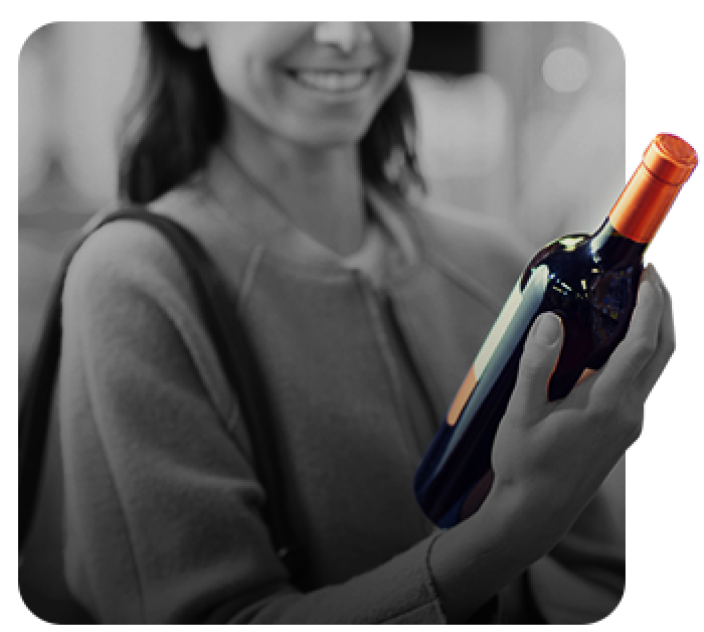
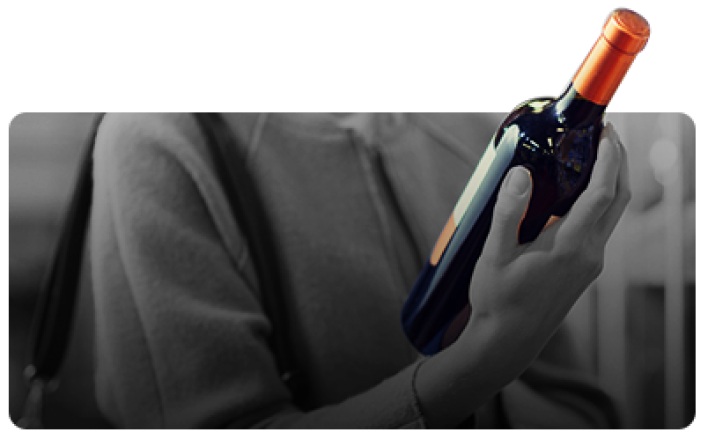
The presentation of a bottle is as symbolic as it is functional. In professional service, the sommelier holds the bottle upright, label facing the guest, ensuring visibility and transparency. This small gesture allows the guest to confirm the selection, vintage, producer, and varietal, before it is opened.
Holding the bottle with both hands signals care; one hand supports the base, while the other steadies the neck. In more relaxed settings, one hand is acceptable, but the label should still face outward. It is an unspoken rule: the guest should never have to turn the bottle to see what they are being served.
The temperature of wine at the time of pouring profoundly affects its aroma and structure. Red wines poured too warm emphasize alcohol and bitterness; too cold, and the flavor collapses. White wines lose crispness when warm and become harsh when overchilled.
Thus, wine should rest at its ideal serving temperature before presentation, generally:
Reds: 15–20°C (60–68°F)
Whites: 7–12°C (45–54°F)
Sparkling: 5–7°C (41–45°F)
Bringing wine from cellar to table too quickly can shock it; allowing it to rest slightly before service ensures aromatic harmony. A wine fridge is indispensable here, it keeps bottles at consistent temperatures, preventing oxidation or cork damage.
Alt Text: A person opening a wine bottle
Opening a bottle of wine is both technical and ceremonial. The aim is to perform it quietly, confidently, and without distraction.
The foil is first cut cleanly below the lip of the bottle, symbolizing neatness and allowing a smooth pour later. The top is wiped to remove dust or residue accumulated during storage. When inserting the corkscrew, balance and precision are key, the cork should come out evenly, with a soft sigh, not a loud pop.
The soft sound, known as the “whisper of the cork,” signals respect. It’s not just the wine being unveiled, it’s the anticipation of the moment itself. A second wipe of the rim ensures no cork fragments or mold affect the pour.
In some traditions, especially French service, the cork is placed discreetly beside the guest for inspection, showing authenticity and proper storage.
Pouring wine requires both grace and understanding of fluid dynamics. A bottle of wine is a delicate balance of weight, pressure, and flow, and for those mindful of calories, portion control during pouring also plays a subtle but important role. Mastery lies in control.
The correct posture reflects confidence and care:
Grasp the bottle firmly at the base with your dominant hand.
Support the neck lightly with your other hand if needed.
Keep the label facing the guest at all times.
This alignment maintains visual continuity, your movement becomes part of the presentation.
Start by pouring a small tasting portion, usually about 30–50 ml, for the host or the person who ordered the bottle. This tradition dates back to early winemaking, when a taste was necessary to confirm that the wine had not spoiled. Today, it remains a gesture of respect and assurance.
Once approved, proceed clockwise, serving all guests before returning to the host last. Pour slowly and steadily; the goal is to create a smooth, silent stream that aerates naturally without splashing.
A standard pour is:
Red wine: 120–150 ml (about one-third of the glass)
White wine: 100–120 ml
Sparkling wine: up to two-thirds of the glass, poured along the inner wall to preserve effervescence.
Ending each pour with a gentle twist of the wrist prevents drips, while maintaining control and elegance.
Beyond appearance, this technique protects the wine’s integrity. Pouring too quickly agitates sediment and exposes the liquid to unnecessary oxygen. Pouring too slowly can break the rhythm of service. The goal is harmony, movement that feels intentional, calm, and confident.
Wine pouring follows hierarchy, not of people, but of courtesy. Traditional etiquette dictates that guests be served in a specific sequence to honor their presence.
The conventional order:
Guest of honor
Women
Men
Host
While modern contexts may relax gender-based service, the spirit remains: serve others before yourself. The clockwise order around the table minimizes confusion and maintains a graceful flow of service.
Serving from the right-hand side of each guest is customary, though in tight spaces, adaptability matters more than rigidity. The focus should always be on making the act appear effortless and unobtrusive.
Glassware is not an accessory, it’s an instrument.
The theory behind wine glass design is rooted in sensory science: shape influences aroma concentration, evaporation rate, and where the liquid lands on the tongue.
Bordeaux Glasses (tall with a wide bowl) enhance oxygenation, ideal for bold wines like Cabernet Sauvignon.
Burgundy Glasses (shorter, with a wider bowl) focus aromas, perfect for delicate wines like Pinot Noir.
Narrower bowls preserve floral notes and cooler temperatures.
Flutes maintain carbonation.
Tulip glasses concentrate aroma without losing bubbles.
Holding the glass by the stem is not merely for appearance, it prevents heat from the hand altering the wine’s temperature. In professional service, fingerprints on the bowl are considered careless, breaking the aesthetic purity of the pour.
Decanting is one of the most misunderstood steps in wine service. At its core, decanting is a scientific process, separating sediment and allowing controlled oxidation. However, it is also deeply symbolic.
Historically, decanting was performed under candlelight, allowing servers to watch for the dark sediment line. Today, while the ritual remains, the science is better understood:
Aeration helps release volatile compounds, making the wine more expressive and balanced.
Aged wines (10+ years): to separate sediment gently.
Young full-bodied wines: to soften tannins and open aromas.
Light reds or whites: usually served directly, as aeration can diminish freshness.
Once poured into a decanter, the wine should rest briefly before serving. During formal service, the bottle is displayed beside the decanter, label visible, to preserve traceability.
Beyond the mechanics of pouring lies the essence of presentation: respect, for tradition, for craftsmanship, and for the company at the table.
The server’s demeanor speaks louder than words. A poised stance, calm movements, and minimal intrusion keep the focus on the guests and the wine. Eye contact and a polite smile communicate assurance and warmth.
Observing glasses discreetly is part of true service art. Refilling should be timely but never intrusive. Ideally, offer a refill when the glass reaches one-third full. Interrupting a conversation to pour is considered poor etiquette; instead, wait for a natural pause.
Even professionals encounter spills. The key is composure, acknowledge softly, clean immediately, and move forward without disrupting the ambiance. Grace under pressure defines mastery.

Alt Text: Red wine getting poured in Glass
Different wine cultures have adapted the ritual to their values:
France: Precision, silence, and respect dominate. Wine is poured quietly, labels facing the guest.
Italy: Pouring is more familial, less formal but still courteous, reflecting warmth over ceremony.
Japan: Pouring for others is an act of honor; self-pouring is considered impolite.
China: Pouring wine or baijiu symbolizes goodwill; both hands may be used as a sign of respect.
Understanding these subtleties ensures global etiquette and cultural sensitivity, essential in hospitality and international dining.
The final moments of wine pouring are as meaningful as the first. When the bottle nears empty, tilt it carefully to release the last drops, avoiding sediment. Offer the remainder to the host or guest of honor, never to yourself first.
The empty bottle should be placed discreetly on a wine coaster or cradle, label visible. This signals the completion of service while maintaining elegance.
At this stage, the experience transitions from serving to savoring. The care shown in pouring and presentation echoes through every sip the guests take.
Mastering wine pouring and presentation etiquette is not about memorizing rules, it’s about embodying a mindset of respect, harmony, and attentiveness.
Every motion, from presenting the label to twisting the wrist, carries meaning. It preserves the wine’s purity, honors centuries of craftsmanship, and enhances the shared joy of those gathered.
As wine bridges cultures and occasions, the art of serving it well remains timeless, a graceful dialogue between host, guest, and the spirit of the vine itself.
 Bidvino Customer Service