0
article(s)
Voir le panier
Vous n'avez aucun article dans votre panier.
Choosing between Cabernet Sauvignon and Merlot is the classic red-wine fork in the road: do you prioritize structure, grip, and blackcurrant-driven depth, or plush texture, plum fruit, and earlier approachability? To ground the merlot vs cabernet sauvignon question in real bottles, we compare two collector-friendly wines at a similar price and quality level: a varietal Cabernet from Spain and a Merlot-led Pomerol from Bordeaux. The goal is to help you decide which style aligns with your taste, cellaring plans, and dinner table. Both wines featured in this comparison are available through Bidvino's authenticated collection with verified provenance and Hong Kong storage.
| Feature | Jean Leon "Vinya La Scala" Cabernet Sauvignon Gran Reserva 2016 | Château La Croix Pomerol 2017 |
|---|---|---|
| Price (HKD) | 480 | 495 |
| Vintage | 2016 | 2017 |
| Region | DO Penedès, Spain | Pomerol, Bordeaux, France |
| Grape Variety | Cabernet Sauvignon | Merlot (c. 90%) + Cabernet Franc (c. 10%) |
| Critic Score | Wine Advocate (RP): 90 | Vinous user avg: 4.1/5 |
| Drinking Window | 2024–2032+ | 2022–2030 |
| Best For | Structure, cellaring, steak pairing | Immediate enjoyment, versatility, Bordeaux fans |
Note: Prices are approximate in HKD. Verify current pricing with Bidvino.

Producer: Jean Leon
Region: DO Penedès, Spain
Vintage: 2016 (ripe, balanced Mediterranean growing season)
Grape Variety: Cabernet Sauvignon
Alcohol: 13.5%
Critic Score: Robert Parker (Wine Advocate): 90
Price: ~HKD 480
Drinking Window: 2024–2032+
Available at: Our vintages change seasonally. Check what is in stock here: Bidvino
Provenance/Storage: Stored in Bidvino's temperature-controlled facility
Founded by the charismatic restaurateur Jean Leon, the estate has long championed single-varietal bottlings in Penedès, with Cabernet Sauvignon its flagship. The "Vinya La Scala" Gran Reserva sits at the top of the Cabernet range, typically matured extensively in oak and bottle before release to emphasize complexity, polish, and cellar life. The house style is classical: ripe Mediterranean fruit framed by cedar, fine-grained tannin, and measured oak influence.
The 2016 growing season in coastal Catalonia was defined by a temperate spring and a warm, dry summer, delivering clean fruit and even ripening. Cabernet benefited from long hang time, accumulating phenolic ripeness without undue alcohol. Expect varietal clarity—cassis, graphite, and bay leaf—with a balanced acid spine. Tannins present as firm yet refined, setting up a comfortable decade-long evolution.
Visual: Deep ruby with garnet rim; excellent clarity and moderate staining.
Nose: Blackcurrant, black cherry, cedar shavings, graphite, and dried herbs; hints of vanilla and clove from barrel aging.
Palate: Medium-plus body; focused black fruit, cassis and plum skin; lively acidity; firm, fine-grained tannins; savory cedar and pencil-lead complexity.
Finish: Long, tapering finish with lingering cassis, tobacco leaf, and spice.
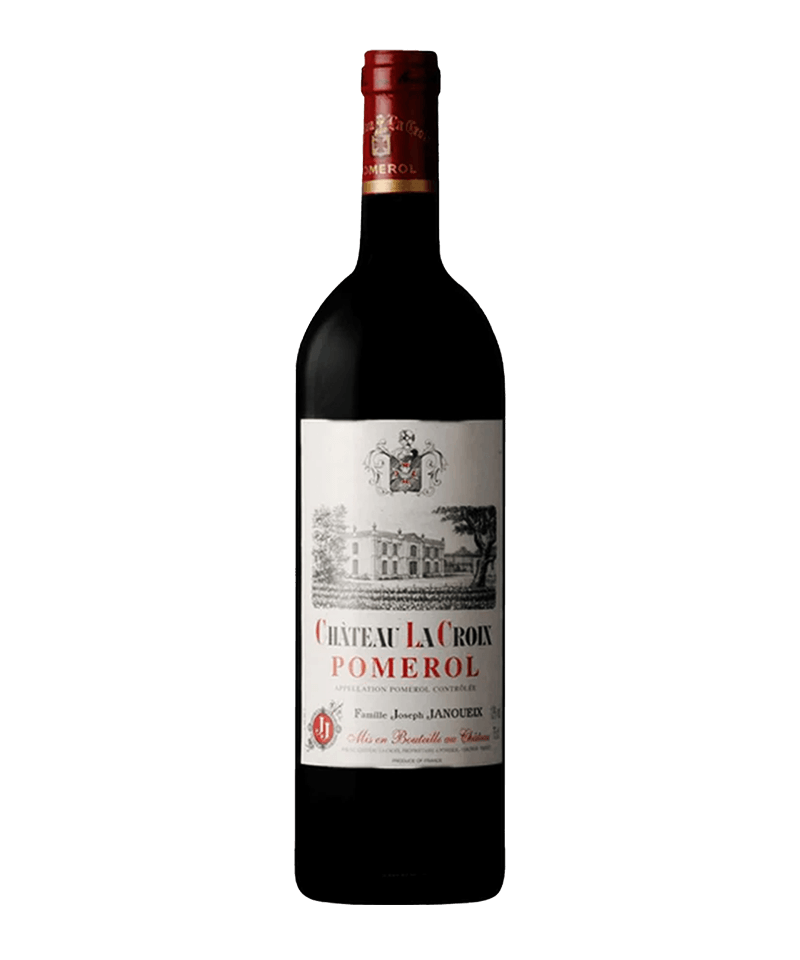
Producer: Château La Croix (Pomerol)
Region: Pomerol, Bordeaux, France
Vintage: 2017 (frost-affected year with early-drinking profiles)
Grape Variety: Approx. 90% Merlot, 10% Cabernet Franc
Alcohol: 14%
Critic Score: Vinous user average: 4.1/5
Price: ~HKD 495
Drinking Window: 2022–2030
Available at: Our vintages change seasonally. Check what is in stock here: Bidvino
Provenance/Storage: Stored in Bidvino's temperature-controlled facility
Pomerol’s reputation rests on Merlot’s capacity to deliver velvety textures, perfumed fruit, and satiny tannins from gravel–clay soils on the Right Bank. Château La Croix follows a traditional Bordelais approach: Merlot as the core with supporting Cabernet Franc for lift and spice. The style is classically supple and aromatic, with emphasis on drinkability and finesse rather than sheer weight.
2017 Bordeaux endured severe spring frosts, lowering yields across many appellations. Pomerol, which ripens early, fared relatively better than some Left Bank zones. Quality is uneven across estates, but well-sited properties produced fragrant, medium-bodied reds with fresh acidity, fine tannins, and earlier approachability. Expect a graceful arc rather than a long-haul, ultra-dense profile.
Visual: Medium garnet-purple core, bright rim.
Nose: Violets, wilted roses, red currant, blackberry, and a touch of spice box and dried herbs; subtle loam notes.
Palate: Medium body; soft, plush Merlot fruit—plum and red currant—gliding over fine tannins; fresh, racy acid line keeps things lively.
Finish: Floral lift and red-fruited persistence; medium-long and elegant.
For Cabernet in Penedès, 2016 brought a steady, warm Mediterranean season yielding ripe, clean fruit with balanced acids and well-calibrated tannins. The Jean Leon Cabernet benefits from this consistency: varietal clarity, measured alcohol, and structural integrity suitable for a decade-plus. In Bordeaux, 2017 was marked by frost pressure; Pomerol estates that dodged the worst achieved charming, medium-weight wines with fresh acidity and earlier peak. Château La Croix 2017 exemplifies this approachable, floral-framed Merlot style—polished and ready earlier, though built for mid-term rather than long-term cellaring.
Edge: Jean Leon Cabernet 2016 – more favorable growing season supports greater depth and longevity.
Cabernet Sauvignon versus Merlot is a contrast in structure and feel. The Jean Leon Cabernet leads with cassis, graphite, and cedar, underpinned by firm, fine-grained tannins and a resonant acid line. It is linear, architectural, and savory. The Pomerol shows Merlot’s softer side: violets, red currant, plum, and a plush mid-palate that glides to an elegant, floral finish. If you crave grip, pencil shavings, and blackcurrant purity, Cabernet speaks your language; if you favor perfume, silk, and red-fruited charm, Merlot makes the case.
Edge: Preference-driven – Cabernet for structure and drive; Merlot for texture and perfume.
The Gran Reserva Cabernet has the framework and oak integration to reward 6–10 more years comfortably, likely developing tobacco, leather, and graphite while maintaining fruit. The 2017 Pomerol is best enjoyed on its freshness and poise over the next 3–6 years; tertiary notes will emerge but the core appeal is its early harmony rather than longevity. Both benefit from a light decant; the Cabernet requires it more today.
Edge: Jean Leon Cabernet 2016 – firmer structure and vintage strength suit longer cellaring.
At this price tier, neither bottle is a speculative investment, but Bordeaux generally enjoys broader secondary-market recognition and trading liquidity. A Pomerol label, even from a less heralded vintage, tends to hold value steadily and finds buyers more easily in mixed-case resales. The Spanish Cabernet, while excellent quality-for-price, typically trades more quietly outside its fan base.
Edge: Château La Croix Pomerol 2017 – Bordeaux appellation equity and market familiarity aid value retention.
Merlot’s softer texture and bright acidity provide broader day-to-day pairing latitude: roast chicken, char siu, glazed pork belly, mushroom risotto, or soy-braised dishes. Cabernet’s tannin and cedar crave protein and fat: grilled ribeye, lamb chops with rosemary, Wagyu bavette, or aged Comté. For Cantonese banquets or mixed tables, the Pomerol is the easier crowd-pleaser; for Western steak nights, the Cabernet shines.
Edge: Château La Croix Pomerol 2017 – softer tannin and floral lift flex across cuisines.
Both sit near HKD 500 and deliver clear regional and varietal signatures. The Jean Leon offers Gran Reserva élevage, varietal precision, and longer cellaring at essentially the same money, which tilts the value calculus if you plan to age bottles or prefer Cabernet’s classical profile. If early approachability is paramount, the Pomerol’s immediate charm still feels fairly priced.
Edge: Jean Leon Cabernet 2016 – depth and longevity at this tariff is compelling.
Winner: Château La Croix Pomerol 2017
The Merlot-led 2017 Pomerol is already expressive: floral, supple, and balanced. You get perfume, red fruit, and fine tannins without needing extended aeration. It slips seamlessly into weeknight dinners and multi-course meals where adaptability matters.
Winner: Château La Croix Pomerol 2017
For market familiarity and resale liquidity, Bordeaux has the edge. While this 2017 is more mid-term than long-haul, it should hold attractively over the next 3–6 years, with the Pomerol appellation aiding value stability in mixed lots and cellar trades.
Winner: Jean Leon Cabernet 2016
At roughly the same price, you gain Gran Reserva polish, textbook Cabernet character, and a longer drinking arc. If you like structure and plan to cellar a few bottles, the price-to-longevity ratio is hard to beat.
Winner: Château La Croix Pomerol 2017
Pomerol carries Bordeaux cachet and pairs widely with celebratory menus—from roast goose to beef tenderloin. The wine’s silk and perfume feel elegant at the table, and the label recognition resonates with many guests.
Winner: Jean Leon Cabernet 2016
As a clear expression of Cabernet Sauvignon with supportive reviews and a forgiving price, it’s a smart learning bottle. You can track development over years and benchmark cabernet merlot blends against a pure-varietal reference.
At this level, neither is designed for speculation. That said, Pomerol as an appellation enjoys broader secondary-market familiarity. Château La Croix Pomerol 2017 should retain value steadily over the next five years, especially in Bordeaux-focused sales. The Jean Leon typically sees quieter trading outside Spain.
The Jean Leon Cabernet 2016. Its firmer tannin, balanced acidity, and advantageous vintage suggest a comfortable 6–10 more years. Château La Croix 2017 is best from now through about 2030, trading endurance for earlier charm.
Cabernet Sauvignon is more linear and savory: blackcurrant, cedar, graphite, firm tannin. Merlot is rounder and more perfumed: plum, red currant, violets, silkier tannins. If you like grip and cassis, choose Cabernet. If you prefer softness and florals, choose Merlot.
For range across cuisines, the Merlot-led Pomerol wins: roast chicken, char siu, soy-glazed salmon, mushroom dishes. Cabernet excels with protein and fat—steak, lamb, hard cheeses—where tannin finds balance and the cedar-spice complexity shines.
They are essentially peers: ~HKD 480 (Jean Leon) and ~HKD 495 (Château La Croix). Given similar pricing, your choice should hinge on style (structure vs plushness) and intended drinking window rather than budget.
Bordeaux’s Pomerol carries historic prestige and global recognition for Merlot-based wines. Jean Leon is respected in Spain for pioneering single-varietal bottlings in Penedès. If label cachet matters in international contexts, Pomerol typically resonates more.
If you’re mapping red wine types by style, owning both is instructive: a pure Cabernet benchmark alongside a Merlot-led Right Bank. If choosing one, align with your needs: structured, cellarable Cabernet (Jean Leon) or versatile, ready-to-pour Merlot (La Croix).
Both bottles are available via Bidvino with verified provenance and local storage. See the product pages linked in each profile to confirm current stock and pricing.
Cabernet Sauvignon vs. Merlot comes down to personality. The Jean Leon "Vinya La Scala" Cabernet 2016 is a structured, classically shaped Cabernet with graphite, cassis, and the chassis to age gracefully. Château La Croix Pomerol 2017 is the charmer—silky, floral, and immediately engaging, with the Bordeaux pedigree many collectors appreciate. If you prize longevity, tannin backbone, and steak-night synergy, choose Cabernet. If you value versatility, earlier drinking, and broad food compatibility, Merlot makes more sense. Either path is valid; anchor your decision to taste preference, drinking horizon, and whether market recognition matters in your cellar.
Thoughtful collecting is about fit, not absolutism—build around how and when you drink.
Explore both wines at Bidvino with transparent HKD pricing, authentication guarantee, and expert guidance for Hong Kong collectors.
This comparison is based on vintage analysis, critic scores (Wine Advocate, Vinous user average), producer technical sheets, auction data (Sotheby's, Christie's), and tasting analysis. Both wines verified through Bidvino's provenance standards.
Last Updated: January 2026
 Bidvino Customer Service