0
item(s)
View cart
You have no items in your shopping cart.

The best Bordeaux vintages from 2015 to 2022 are 2019, 2020, 2016, 2022, and 2018, but the right choice depends on bank, producer, and when you plan to drink the wine. In short, 2019 is the safest all-around pick, 2020 excels on the Left Bank, and 2018 often shines on the Right Bank.
If you are buying Bordeaux with a specific drinking window in mind, the vintage matters, but not in a simple “best year wins” way. Between 2015 and 2022, Bordeaux produced a remarkable run of strong harvests. However, the real story is how differently the Left Bank and Right Bank handled heat, drought, freshness, and tannin. A Saint-Estèphe from a structured Cabernet Sauvignon year may feel very different from a Merlot-led Saint-Émilion in the same season. This guide ranks the best Bordeaux vintages from 2015 to 2022 through that lens. It also grounds the best Bordeaux vintages rankings in bottles you can actually buy. If you want a broader foundation first, see Wine Vintage Years: Best Vintages by Region.
This ranking focuses on one practical question: which best Bordeaux vintages most convincingly delivered quality across both banks while still showing clear stylistic identity? That means 2015 to 2022 are not judged only by critical excitement or ripeness. Instead, they are judged by balance, tannin quality, freshness, consistency, and how reliably each year expressed the strengths of Cabernet-led Left Bank terroirs and Merlot-led Right Bank terroirs.
The Left Bank, with appellations such as Saint-Estèphe, Haut-Médoc, and Margaux, often shines when Cabernet Sauvignon reaches full phenolic ripeness without losing structure. The Right Bank, especially Saint-Émilion and Castillon, often rewards years where Merlot keeps lift and texture rather than turning heavy. That is why the same hot year can perform differently depending on where the vineyard sits and how the producer handled extraction and oak.
If you enjoy comparing how regions respond to weather, Best Burgundy Vintages: The Top Years for Pinot & Chardonnay offers a useful contrast. It also helps put the best Bordeaux vintages in context, because Bordeaux and Burgundy react very differently to warm seasons.
A Bordeaux vintage chart is most useful when it helps you decide what to open, what to hold, and where to be selective. A high-ranked year is not always the best choice for immediate drinking. Some of the best Bordeaux vintages are still defined by firm tannin and youthful structure, especially in Cabernet-led Left Bank appellations. For buyers in Hong Kong, where storage conditions matter and many bottles are bought for near-term use, that distinction is practical rather than academic.
| Vintage | Best current use | Practical guidance |
|---|---|---|
| 2022 | Hold or buy selectively | Very young, powerful, and producer-sensitive. Best for buyers comfortable waiting. |
| 2021 | Drink now to near term | Fresher, lighter-framed wines may give earlier pleasure, especially with food. |
| 2020 | Hold, or decant structured bottles | Often still firm, especially on the Left Bank. Better for patience than impulse opening. |
| 2019 | Buy confidently, drink or hold depending on producer | One of the most flexible recent vintages, with both immediate appeal and cellar potential. |
| 2018 | Drink now to medium term | Many Right Bank wines are already expressive, though richer examples may still benefit from air. |
| 2017 | Buy selectively | Frost impact means bottle choice matters more than vintage reputation. |
| 2016 | Hold, or open with patience | Benchmark structure and balance, but many wines are still developing. |
| 2015 | Drink now | Often the easiest strong vintage in this set for near-term enjoyment. |
This is also why a vintage chart should never replace bottle-level judgment. Storage, provenance, and producer style still shape the drinking experience. A well-stored 2015 from a serious estate may be more rewarding tonight than a more highly ranked but tightly wound 2020. If you are buying for a dinner in the next few months rather than for a long cellar plan, the drink window can matter more than the score. For practical cellar advice, see General Storage & Preservation Methods for Red Wine.
| Vintage | Left Bank performance | Right Bank performance | Overall style | Best for | Bidvino example |
|---|---|---|---|---|---|
| 2019 | Excellent | Excellent | Polished, complete, fresh yet generous | Collectors and all-around confidence buys | General vintage reference only |
| 2020 | Excellent | Very strong | Structured, vivid, cellar-worthy | Buyers who like firm architecture | Chateau de Pez 2nd Pez 2020, Le Haut Medoc de Giscours 2020, Petite Sirene Rouge Merlot Cabernet Sauvignon 2020 |
| 2016 | Superb | Very strong | Classic, poised, ageworthy | Traditionalists and long-term cellaring | General vintage reference only |
| 2022 | Potentially great | Potentially great | Powerful, concentrated, producer-sensitive | Buyers comfortable with modern richness | General vintage reference only |
| 2018 | Very strong | Excellent | Dense, ripe, plush, often opulent | Readers who enjoy generous Merlot texture | Chateau La Gasparde Cuvee Prestige Cotes de Castillon 2018 |
| 2015 | Very strong | Very strong | Open, warm, approachable but serious | Near-term drinking with pedigree | General vintage reference only |
| 2021 | Good to very good | Good | Cooler, fresher, lighter-framed | Drinkers seeking finesse over mass | Chateau de Pez 2021 |
| 2017 | Uneven | Uneven | Variable, shaped by frost impact | Producer-specific buying only | General vintage reference only |
For readers building broader regional perspective, the contrast with Australian warmth and power in Best Barossa Valley Vintages: When Shiraz Was at Its Peak helps clarify what the best Bordeaux vintages mean in structural terms. In the glass, Bordeaux usually shows shape, tannin, and blend complexity very differently.

The same Bordeaux vintage can look stronger on one bank than the other because the two sides of the region are built on different soils, blends, and ripening patterns. On the Left Bank, appellations such as Saint-Estèphe and Haut-Médoc are often associated with gravel soils that favor Cabernet Sauvignon. Gravel drains quickly and can help moderate vine vigor. That is especially helpful in years where ripeness is high but structure still needs to stay precise.
On the Right Bank, Saint-Émilion and Castillon often rely more on clay-limestone soils and a higher proportion of Merlot, sometimes with Cabernet Franc. Those soils can retain water differently and often support texture, breadth, and floral lift. If you want a fuller primer on regional style, read Left Bank vs Right Bank Bordeaux: What's the Real Difference?.
This helps explain why warm or dry years do not land evenly across Bordeaux. A hot vintage may allow Cabernet Sauvignon on well-sited Left Bank gravel to ripen beautifully while still holding shape, as seen in years like 2016, 2019, and 2020. In another warm year, Merlot on the Right Bank may become especially seductive, giving plush fruit and early charm. That is part of what makes 2018 so appealing in Saint-Émilion and Castillon.
On the other hand, the risk on either side is clear. Excess heat without enough freshness can push wines toward heaviness or tougher tannin if the producer does not adapt.
That is why vintage ranking in Bordeaux works best as a regional map rather than a universal verdict. “Best” may mean very different things depending on whether you want Saint-Estèphe tension, Haut-Médoc finesse, Saint-Émilion generosity, or Castillon value with Merlot texture. The bank tells you how the year is likely to express itself. The producer tells you how successfully that raw material was turned into a balanced wine.
For a broader factual overview of Bordeaux appellations and geography, the Wines of Bordeaux regional body is also a useful reference.
2019 stands at the top because it gave both banks something they each prize most. On the Left Bank, Cabernet Sauvignon typically found ripeness without losing line and tension. On the Right Bank, Merlot often delivered depth without the weight that can flatten detail in hotter years. As a result, this best Bordeaux vintage tends to show aromatic precision, layered fruit, and tannins that feel ripe rather than aggressive.
For buyers, 2019 is the easiest recommendation if you want one answer to the question, “Which recent Bordeaux year is safest across styles?” It often combines the charm of warmer years with the shape and freshness serious collectors expect. These are not necessarily the biggest wines of the decade, but they are among the most complete.
Strengths include consistency across appellations, fine tannin definition, strong cellar potential, and broad appeal for both modern and classic Bordeaux drinkers. The main consideration is that the best examples are already highly sought after, so bottle selection matters more than the headline vintage alone.
2020 is especially persuasive on the Left Bank. Cabernet Sauvignon-based blends often came out linear, energetic, and confidently structured. Where gravel and drainage helped vines through dry conditions, the wines can feel both intense and controlled. The Right Bank also produced many excellent bottles. However, some estates needed real precision to keep Merlot from pushing too far into richness.
This is an excellent vintage for readers who want architecture, definition, and a little patience rewarded. In many cases, 2020 is less immediately plush than 2018, but more disciplined. It is a year that invites decanting now or cellaring if you prefer secondary complexity later.
Strengths include strong Left Bank definition, excellent ageworthiness, vivid fruit under structure, and serious food-table presence. Considerations include firmer youth, a style that may feel strict for casual drinkers, and greater need to match the bottle to your preferred drinking window.
2016 remains one of the benchmark modern best Bordeaux vintages for readers who admire classical proportion. It is especially admired on the Left Bank, where many wines achieved remarkable harmony between concentration, acidity, and tannin. The Right Bank also performed very well, though the vintage often feels more celebrated for Cabernet authority than Merlot seduction.
If your taste leans toward restraint, ageworthiness, and wines that reveal more with time than with immediate opulence, 2016 deserves its reputation. It may not flatter impatient drinkers as quickly as 2015 or 2018. Still, serious Bordeaux lovers often find its balance deeply satisfying.
Strengths include long ageing potential, classic structure, detail rather than excess, and reliable Left Bank success. Considerations include a style that can seem reserved in youth, slower approachability, and less instant generosity for readers wanting plush fruit right away.
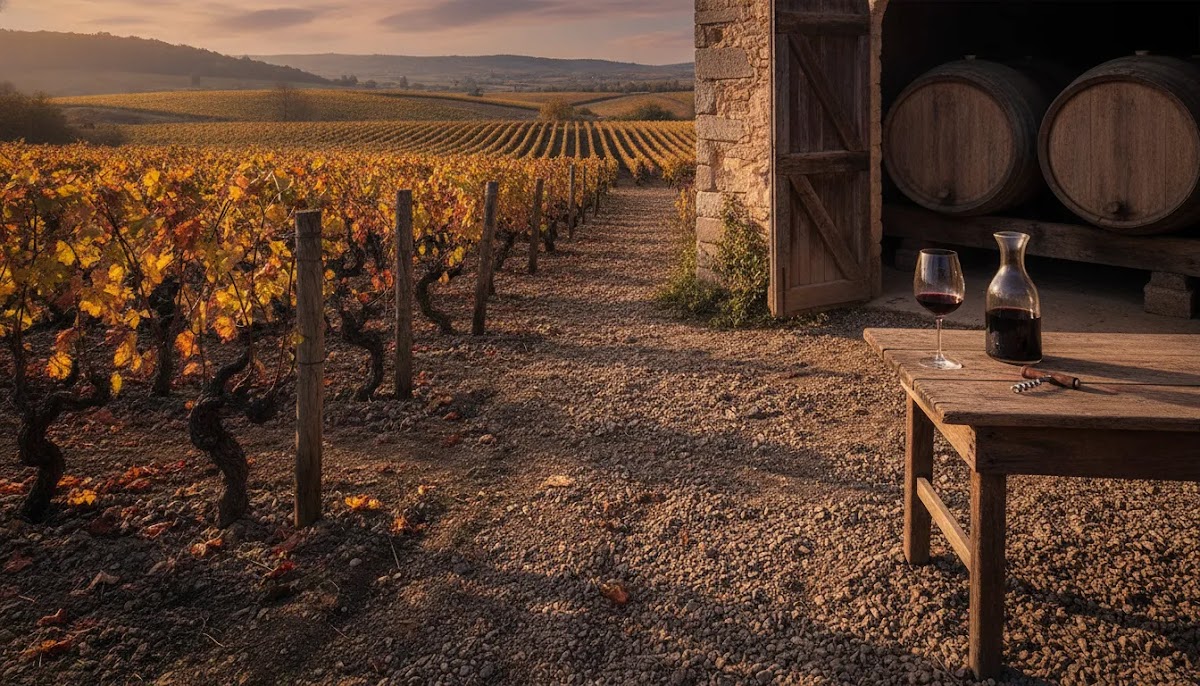
2022 may rise even higher over time, but for now it sits fourth because it is still early to judge how the best bottles will settle in bottle. The raw material is often exceptional: concentration, ripeness, and dramatic intensity. Yet this is also a producer-sensitive vintage. The growing season demanded judgment. Estates that protected freshness and handled extraction carefully may have made magnificent wines. Others may show more heat and mass than nuance.
Both banks have compelling cases in 2022. The Right Bank had the richness to produce very impressive Merlot-based wines, while the Left Bank in skilled hands could still deliver Cabernet shape and lift. Importantly, the caution is simple: this is not automatically a vintage where bigger means better.
Strengths include power, density, impressive fruit concentration, and potential for memorable flagship bottles. Considerations include youth, uncertainty around long-term balance in some wines, and a style that may divide buyers who prefer cooler, more restrained years.
2018 is the most visibly Right Bank-friendly year in this ranking. Merlot often thrived, giving Saint-Émilion and neighboring zones plush texture, dark fruit, and seductive breadth. The Left Bank also produced many strong wines, but the vintage can feel less uniform there, especially where extraction or oak pushed already ripe fruit even further.
This is the bottle-hunter’s vintage if you enjoy generosity, warmth, and an enveloping palate. It can be thrilling in appellations where limestone, freshness, or élevage discipline kept energy inside the wine. It can also turn broad in less measured hands.
Strengths include immediate richness, strong Right Bank personality, generous mouthfeel, and wide appeal for drinkers moving into Bordeaux from riper styles. Considerations include vintage variability, the possibility of overt oak in some examples, and lower appeal for buyers chasing the strict lines of classical claret.
The simplest way to buy Bordeaux well is to start with your preferred structure, then let the vintage narrow the field. If you enjoy graphite, cedar, firmer tannins, and slow-building complexity, lean toward Left Bank appellations in years such as 2016, 2019, and 2020. If you prefer rounder texture, floral lift, and more immediate fruit generosity, Right Bank wines in 2018, 2019, and some 2015s are often more persuasive.
The second filter is drinking window. A vintage can be great and still not be right for tonight. 2020 and 2016 often reward patience. By comparison, 2015 and some 2018s can offer earlier pleasure. 2021, although lower in the ranking, may appeal if you want fresher, less weighty Bordeaux with fine rather than massive tannins.
Third, pay attention to blend composition. Cabernet Sauvignon-heavy wines tend to expose Left Bank strengths in structured years. Merlot-dominant blends can be wonderfully expressive in warmer Right Bank vintages, but they need enough freshness to avoid feeling soft. This is one reason a wine’s appellation and cépage matter almost as much as the harvest date itself.
Fourth, think about what else you enjoy. If your cellar leans toward richer, darker reds, Bordeaux 2018 or 2022 may feel more natural. If you often drink Syrah and want to understand why Bordeaux structure is different from Rhône or Australian expression, Shiraz vs Syrah: Same Grape, Completely Different Wines is a useful side road.
For more region-led reading across the site, the Wine Regions section and the broader Wine Knowledge archive are good next stops. If you are shopping actively, Buy Top Vintage Bordeaux & Burgundy Wines in Hong Kong adds a practical buying angle.
If your priority is near-term drinking, 2015 is usually the easiest place to start among the top recent best Bordeaux vintages. Its warmth and approachability often make it more open today than 2016 or 2020. Many 2018 Right Bank wines also fit this role well, especially Merlot-led bottles from Saint-Émilion or Castillon where texture and fruit generosity are already front and center. Selected 2019s can also drink well now, particularly from producers that favored finesse over extraction.
If your goal is cellaring, 2016 and 2020 are the clearer long-term candidates, with 2019 close behind because it combines structure with a little more early charm. 2022 may also become a serious cellar vintage, but it still calls for more caution because the style is so producer-sensitive and many wines remain very young. In practical terms, this means the best Bordeaux vintages for your cellar may be different from the best Bordeaux vintages for your dining table this year.
Condition still matters as much as the headline year. Bottle provenance, transport, and storage can all influence how a wine develops, especially in a warm climate if the bottle has not been kept properly before purchase. Producer style matters too. A structured estate in 2015 may still need time, while a more polished 2019 from a supple terroir could be ready earlier than expected. Wine is an agricultural product, and drinking windows are best treated as guidance rather than certainty.
For example, official guidance from the OIV shows how viticulture and winemaking standards shape outcomes well beyond a simple vintage score.
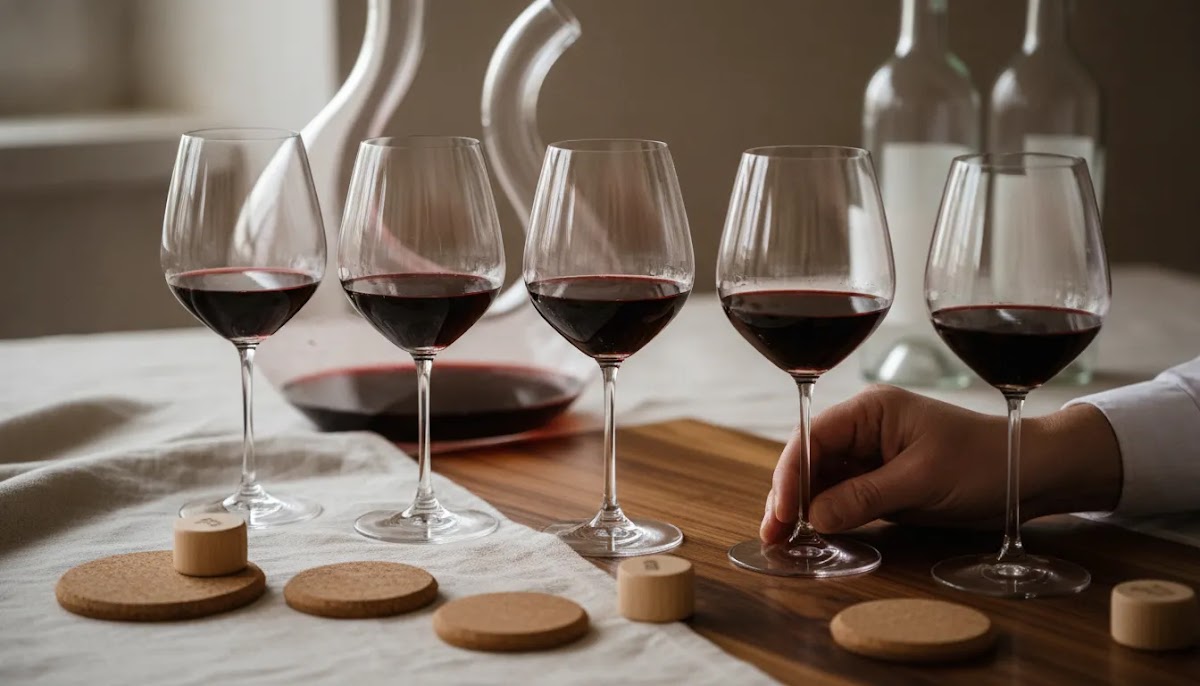
Bidvino’s Bordeaux range is especially helpful for readers in Hong Kong because it lets you translate vintage theory into real, drinkable choices from estates and appellations that express place clearly. The selection also reflects the merchant’s family-winery and quality-first philosophy, with educational context shaped by Certified Sommelier Paul William Sargent.

At HK$270, this Saint-Estèphe is one of the clearest illustrations here of why 2020 worked so well for the Left Bank. The blend is 65% Cabernet Sauvignon and 35% Merlot, and the wine is described with peony, violet, raspberry, wild strawberry, and cherry, with grippy, well-integrated tannins. That profile captures the year’s appeal: floral lift over real structure, not blunt force. The 92-point James Suckling score adds confidence, but the stronger point is stylistic clarity. This is a good bottle for readers who want to learn what Saint-Estèphe firmness can look like when handled with polish.

Priced at HK$265, this Haut-Médoc comes from a terroir of fine gravel and sand, a detail that matters in warm, dry years. The wine is presented as fresh, convivial, and delicately crafted, with abundant fruit, delicate tannins, and a refreshingly long finish. Those cues make it a smart choice for readers who want to experience 2020 without the sternness some Saint-Estèphe wines can show in youth. It is a useful reminder that the Left Bank is not one-note. Gravel can give shape, but finesse remains central when the producer protects aromatic radiance.

At HK$280, this Castillon Côtes de Bordeaux wine is a strong case study for the Right Bank side of 2018. The blend is 85% Merlot, 12% Cabernet Franc, and 3% Cabernet Sauvignon, aged in oak barrels. Notes of wood, vanilla, and toasted bread lead into a full-bodied, balanced palate with round tannins and a long finish. It is exactly the kind of wine that helps explain why 2018 can be so attractive for Merlot lovers. There is generosity, but also enough shape to remain recognizably Bordeaux.

Although outside the 2015 to 2022 ranking, this HK$375 Saint-Émilion Grand Cru is a useful control point. The blend of 70% Merlot and 30% Cabernet Franc shows brilliant purple color, elegant woody notes, a sweet attack, fine tannins, and a fresh, gourmet palate. Why mention it here? Because it helps readers compare a mature Right Bank expression against younger, riper vintages. If your instinct is to buy only the newest “great year,” this bottle is a reminder that readiness and nuance can matter just as much as hype.

At HK$395, this Saint-Estèphe shows why 2021 deserves a more nuanced reading than “weaker vintage.” The blend is 62% Cabernet Sauvignon, 36% Merlot, and 2% Cabernet Franc, with wild strawberry, juicy cherry, pink rose, sandalwood, and fine, elegant tannins. That sounds very much like a cooler, fresher year translating into aromatic finesse rather than sheer scale. Buyers who prefer subtlety over density may actually find 2021 more charming at table than some larger-framed years.

Priced at HK$169, this Bordeaux blend linked to the Giscours world is one of the most accessible windows into the 2020 vintage. It combines 65% Merlot and 35% Cabernet Sauvignon, with spiced plum compote, cedar, juicy plum, black cherry, firm tannins, and cherry-skin acidity. The 89-point James Suckling score places it in solid territory, but the more useful point is educational: this bottle shows how 2020 can deliver fruit generosity and structure without demanding a luxury-level spend.
If you are ready to explore further, Bidvino’s curated Bordeaux offering gives Hong Kong buyers a practical way to compare appellations, blends, and vintages without losing sight of producer character. It is also worth joining the Bidvino rewards programme if Bordeaux is a region you buy repeatedly, especially when you are building a mixed case for drinking now and later.
For many buyers, yes, because it performed beautifully on both the Left Bank and Right Bank. It tends to combine ripeness, aromatic clarity, and tannin quality in a way that feels complete rather than extreme. That said, your personal favorite may differ if you prefer the stricter architecture of 2016 or the richer profile of 2018.
2016, 2019, and 2020 are especially convincing Left Bank years. They typically suit Cabernet Sauvignon-based wines very well, giving structure, line, and aging potential. If you want a current bottle example, Chateau de Pez 2nd Pez 2020 and Le Haut Medoc de Giscours 2020 show two different expressions of that success.
2018 and 2019 are particularly strong for many Right Bank wines. In 2018, Merlot often achieved plush texture and generous fruit, while 2019 tended to add more precision and overall balance. If you like rounder tannins and fuller body, a Merlot-led 2018 can be especially attractive.
No. It is a less uniform and generally lighter-framed vintage than 2019 or 2020, but “weaker” does not mean uninteresting. In the right hands, 2021 can offer freshness, aromatic lift, and elegance. Chateau de Pez 2021 is a good example of how finesse can be the point of the vintage rather than a compromise.
You need both. Vintage tells you about weather conditions and likely structure, but producer choices determine whether that raw material became refined, heavy, strict, or expressive. The strongest buying approach is to use vintage as your map and producer as your filter, especially in years like 2018 and 2022 where style can vary widely.
2015, some 2018s, and selected 2021s are often more approachable in the near term than tightly built 2016s or 2020s. You should still look at appellation and blend. A Merlot-led Right Bank wine generally opens sooner than a Cabernet-heavy Saint-Estèphe from the same harvest.
They are useful as a starting point, not a final verdict. A single number cannot fully express bank differences, appellation strengths, or producer style. Two wines from the same year may drink very differently. That is why a Bordeaux vintage chart works best when paired with practical bottle selection rather than treated as a scoreboard.
Yes, they can, depending on the bank, terroir, and winemaking approach. Warm years such as 2018 and 2022 may produce thrilling concentration, but not every wine will carry that richness with equal freshness. Buyers who value restraint should be selective and may prefer 2019 or 2016.
Petite Sirene Rouge Merlot Cabernet Sauvignon 2020 is an approachable entry point at HK$169, while Chateau de Pez 2nd Pez 2020 offers a more appellation-specific Left Bank lesson at HK$270. If you want a plush Right Bank expression, Chateau La Gasparde Cuvee Prestige Cotes de Castillon 2018 is a strong choice.
They may share ripeness, but the structure and aromatic profile are usually very different. Bordeaux relies on blend, bank, and tannin shape in a different way from Syrah-based wines. If you enjoy comparing those stylistic differences, Shiraz vs Syrah: Same Grape, Completely Different Wines adds helpful context.
A Bordeaux vintage chart is a practical summary of how different harvest years performed and how those wines may drink now. The most useful charts do more than rank quality. They help you judge whether a vintage is ready to open, worth cellaring, or best approached selectively by producer and appellation.
Among the 2015 to 2022 run, 2015 is often the easiest strong vintage for near-term drinking, while many 2018 Right Bank wines are already generous and expressive. Selected 2019s can also drink well now. Bottle style still matters, and a structured Left Bank wine may need more time than a Merlot-led wine from the same year.
Often, yes. Left Bank Bordeaux may excel in years that favor Cabernet Sauvignon ripeness with preserved structure, while Right Bank Bordeaux may be especially attractive in years where Merlot gains texture without losing freshness. That is why 2020 can look especially strong on the Left Bank, while 2018 often feels more naturally suited to the Right Bank.
A great Bordeaux vintage usually combines ripeness, freshness, balanced tannins, and enough growing season stability for both banks to express their terroirs clearly. Weather is central, but it is not the whole story. Soil, grape mix, and producer decisions all shape the result. That is why a great vintage may still produce wines with very different personalities and drinking windows.
If you want the shortest practical answer, start with 2019 for overall confidence, 2020 for structured Left Bank style, and 2018 for a richer Right Bank expression. Then choose the bottle that fits how soon you plan to open it and what kind of texture you enjoy most.
| Rank | Vintage | Best for | Reference bottle |
|---|---|---|---|
| 1 | 2019 | Most complete balance across both banks | Producer-specific selection |
| 2 | 2020 | Structured Left Bank buying | Chateau de Pez 2nd Pez 2020 |
| 3 | 2016 | Classic cellaring style | Producer-specific selection |
| 4 | 2022 | Power and long-term potential | Producer-specific selection |
| 5 | 2018 | Plush Right Bank character | Chateau La Gasparde Cuvee Prestige Cotes de Castillon 2018 |
The best Bordeaux vintages are not all trying to do the same thing. 2019 offers the broadest confidence. 2020 rewards readers who love Left Bank shape and tension. 2018 makes the strongest case for plush, Merlot-led pleasure. For Hong Kong buyers, that matters because the smartest purchase is rarely just the highest-ranked year. Instead, it is the bottle whose bank, blend, and maturity fit the moment you have in mind. If you want to continue comparing regions, vintages, and producer styles before choosing your next bottle, explore Bidvino’s editorial resources through Wine Knowledge, then browse the featured Bordeaux wines above to put the theory into practice.
The content you're viewing has been prepared as educational material. Wine and spirits are beverages meant exclusively for those who meet the legal age requirements in their jurisdiction. We encourage you to drink mindfully and in moderation. Please be aware that our selection and prices fluctuate regularly — visit bidvino.com to confirm the latest availability and current rates for any products you're interested in.
 Bidvino Customer Service