0
article(s)
Voir le panier
Vous n'avez aucun article dans votre panier.
Choosing between Cabernet Sauvignon and Pinot Noir is the classic red-wine dilemma: bold structure and black fruit versus finesse, perfume, and silk. You might love Cabernet’s grip with steak yet crave Pinot’s transparency with Cantonese roast goose. This guide compares two widely collected, accessible benchmarks—Wente Vineyards Southern Hills Cabernet Sauvignon 2021 (Livermore Valley) and Louis Latour Bourgogne Pinot Noir 2022 (Burgundy)—so you can buy with confidence, whether for weeknight drinking, smart gifting, or building a versatile cellar.
Both wines featured in this comparison are available through Bidvino's authenticated collection with verified provenance and Hong Kong storage.
| Feature | Wente Vineyards Southern Hills Cabernet Sauvignon 2021 | Louis Latour Bourgogne Pinot Noir 2022 |
|---|---|---|
| Price (HKD) | Approx. HK$160–220 | Approx. HK$180–240 |
| Vintage | 2021 | 2022 |
| Region | Livermore Valley, USA | Burgundy, France |
| Grape Variety | Cabernet Sauvignon | Pinot Noir |
| Critic Score | NR (comparable vintages often 88–90) | NR (comparable vintages often 88–90) |
| Drinking Window | 2024–2029 | 2024–2028 |
| Best For | Structured reds, grilling, casual cellaring | Finesse-driven reds, versatile pairing, gifting |
Note: Prices are approximate in HKD. Verify current pricing with Bidvino.
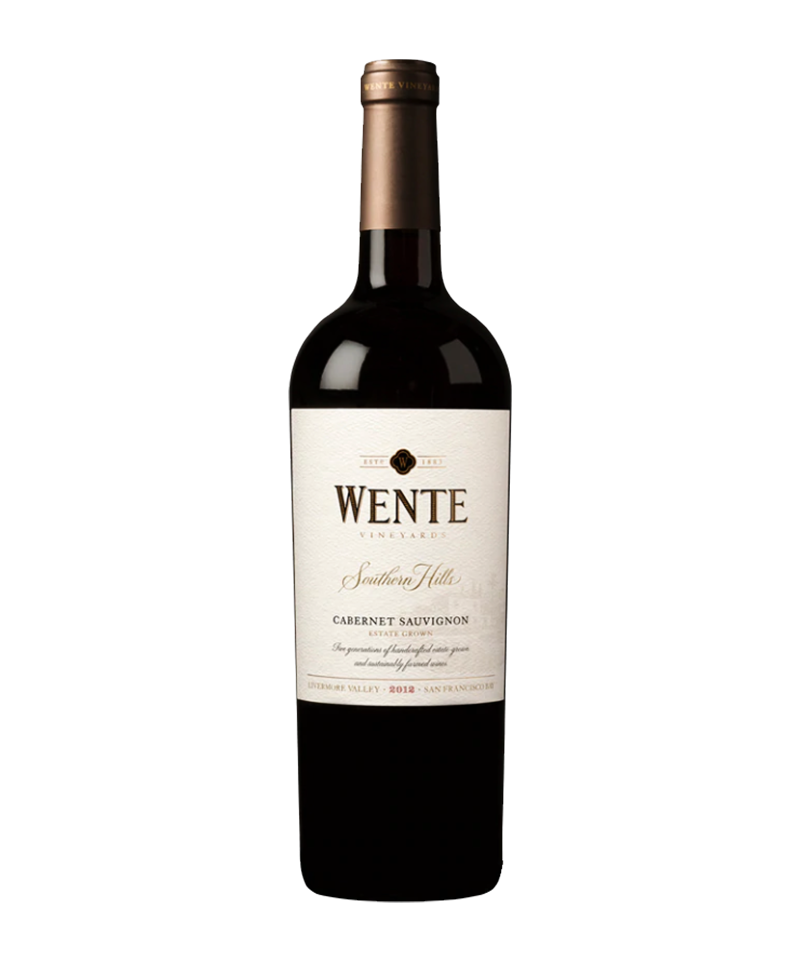
Producer: Wente Vineyards
Region: Livermore Valley, USA
Vintage: 2021 – warm, low-yielding, good phenolic ripeness
Grape Variety: Cabernet Sauvignon
Alcohol: Approx. 14%
Critic Score: Not rated (similar vintages typically 88–90)
Price: Approx. HK$160–220
Drinking Window: 2024–2029
Available at: Our vintages change seasonally. Check what is in stock here: Bidvino
Wente is one of California’s oldest family-owned wineries, stewarding Livermore Valley since 1883. Known for consistent estate farming and a balanced, food-friendly style, the Southern Hills line reliably delivers Cabernet character without excessive oak or extraction. The winery’s focus on sustainable viticulture and meticulous lot selection yields a classic, approachable Cab profile at an accessible price—useful for collectors who want a dependable house red for entertaining and pairing with richer dishes. Stored in Bidvino’s HK facility.
The 2021 growing season in Northern California was warm and dry, contributing to small berries with concentrated color and tannin. In Livermore Valley, diurnal shifts preserved acidity while harvest timing targeted ripe but not jammy fruit. Expect a modern, clean Cabernet expression with blackcurrant and graphite, framed by moderate new oak. Structures are firm yet pliant—ideal for near-term drinking and 3–5 years of positive evolution.
Visual: Deep ruby-purple with youthful viscosity and a staining core.
Nose: Blackcurrant, blackberry, plum skin, cedar shavings, baking cocoa, and a hint of dried sage.
Palate: Medium+ body with cassis and black cherry; fresh acidity supports ripe, fine-grained tannins; touches of graphite and vanilla.
Finish: Medium+ length, cassis and cocoa tail, lightly toasty exit.
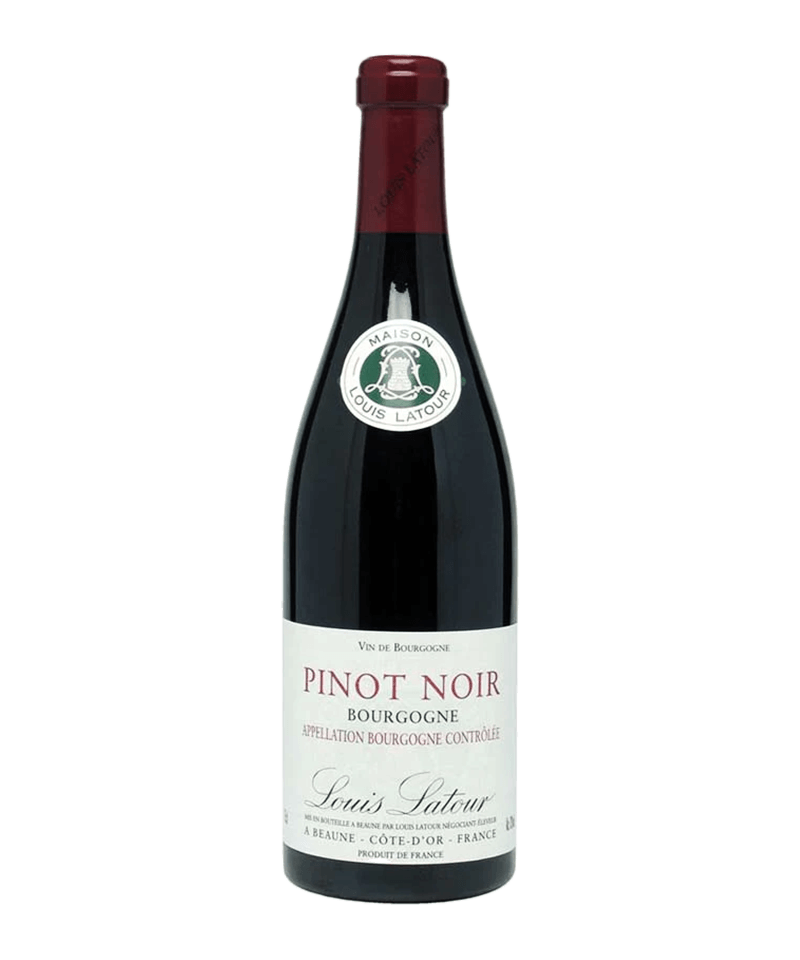
Producer: Maison Louis Latour
Region: Burgundy, France
Vintage: 2022 – sunny, generous fruit with balanced freshness
Grape Variety: Pinot Noir
Alcohol: Approx. 13%
Critic Score: Not rated (similar vintages typically 88–90)
Price: Approx. HK$180–240
Drinking Window: 2024–2028
Available at: Our vintages change seasonally. Check what is in stock here: Bidvino
Louis Latour is a historic, family-run Burgundy house with deep holdings and long experience blending across sites for consistency. Its Bourgogne Pinot Noir is a dependable benchmark for the Pinot noir grape at the regional level: bright red fruit, subtle oak, and a savoury core that reflects Burgundy’s limestone-clay influence. For collectors, it’s a versatile entry point into Burgundy—equally at home on the weekday table or as a gift with strong name recognition. Stored in Bidvino’s HK facility.
2022 Burgundy brought abundant sunshine, healthy canopies, and a relatively stress-free harvest compared with the frost-hit 2021. Ripeness came readily, yet cool nights helped retain acidity. Expect charming, fruit-forward aromatics—wild strawberry, cherry, and rose—balanced by gentle tannin and modest oak. It’s a vintage built for earlier pleasure while retaining enough lift to pair broadly with Asian cuisines.
Visual: Translucent ruby with garnet flashes; light+ intensity.
Nose: Red cherry, wild strawberry, rose petal, leaf tea, and a hint of clove.
Palate: Light–medium body; red berries and pomegranate, fresh acidity, fine silken tannins; subtle toast.
Finish: Medium length with cherry-savoury interplay and a clean, floral echo.
Wente’s 2021 Cab benefits from a warm, dry season in Livermore that concentrated color, flavor, and tannin, with cooling nights preserving lift. It delivers ripe black fruit and clean structure. Latour’s 2022 Pinot draws on a sunny Burgundy vintage that restored yields and brought red-fruit generosity without sacrificing freshness, making it easy to enjoy young. Both vintages favor approachability rather than austerity: 2021 Cab supplies backbone and mid-palate density; 2022 Pinot supplies aromatics and finesse. For collectors prioritizing dependable near-term drinking, both vintages are strong and stylistically true to grape and region.
Edge: Tie – each vintage suits its grape: 2021 for Cabernet structure; 2022 for Pinot charm.
This is where pinot noir vs cabernet sauvignon diverge. The Wente Cabernet leans blackcurrant, blackberry, cedar, and cocoa with medium+ body and firm, fine tannin. Its flavor intensity and grip welcome protein and fat, especially grilled beef or lamb. The Louis Latour Pinot is all about lift: red cherry, strawberry, rose, and leaf-tea notes, with light–medium body, bright acidity, and silkier tannins. It’s more about clarity and perfume than power. If you prefer a darker, more assertive profile, the Cabernet will satisfy; if you prefer nuance, savory detail, and a lighter touch, the Pinot will feel spot on.
Edge: Preference-based – Cabernet for depth and grip; Pinot for finesse and fragrance.
Neither bottle is intended as a long-haul collectible. The 2021 Wente will gain polish over 2–4 years as tannins knit and oak integrates, holding comfortably to around 2029. The 2022 Louis Latour is at its best on fruit and freshness; drink within 3–4 years for maximum charm. Decanting the Cabernet (30–45 minutes) softens edges; the Pinot benefits from a brief splash to unfurl aromatics. For flexible serving windows and casual cellaring, both perform well, with the Cabernet showing a touch more structural runway.
Edge: Wente Cabernet – slightly longer drinking horizon thanks to tannin structure.
At these price points, think utility, not speculation. Secondary-market appreciation is uncommon for regional Burgundy and value-tier California Cabernet. That said, Burgundy carries strong gifting appeal and label recognition; the Latour may “present” better at a dinner party. The Wente offers dependable QPR for stocking up or by-the-glass service. For investors, neither is the vehicle; for practical collectors, both deliver everyday value with credible provenance.
Edge: Slight to Louis Latour – stronger brand cachet for casual gifting; Wente for bulk value.
Pinot Noir is famously adaptable. The Latour 2022 handles Cantonese roast duck, char siu, soy-braised mushrooms, and tuna tataki with ease. The Wente 2021 Cabernet thrives with ribeye, lamb chops, burger nights, or hard cheeses; it can overpower delicate dishes but shines with grilled or roasted meats and winter stews. In a mixed-menu setting, Pinot tends to be the safer all-rounder.
Edge: Louis Latour Pinot – broader pairing latitude across Asian and Western cuisines.
Both are well-priced for origin and style. The Wente packs more density per dollar—black fruit, structure, and oak complexity—especially for hearty meals. The Latour delivers the Burgundy Pinot experience—aroma, texture, and terroir cues—without the premium of village or cru bottlings. Choose based on the style you’ll reach for most; wasted bottles are the only poor value.
Edge: Wente Cabernet – slightly higher flavor density per HKD; Latour excels in finesse-for-price.
Winner: Louis Latour Bourgogne Pinot Noir 2022
Opens readily with no need for extended aeration, offering red-fruited charm, floral lift, and supple tannins. If you’re pouring for a crowd with diverse palates or matching lighter dishes, the Pinot’s balance and perfume make it the easy pick.
Winner: Wente Vineyards Southern Hills Cabernet Sauvignon 2021
Not an “investment” wine, but it has marginally more structural runway. Expect improved integration and texture with 2–4 years’ rest. For speculative appreciation, look elsewhere; for short-term cellaring, the Cabernet edges it.
Winner: Wente Vineyards Southern Hills Cabernet Sauvignon 2021
Delivers generous black fruit, oak-spice complexity, and mealtime muscle for the price. If your table trends toward steak nights, burgers, or hearty pastas, you’ll likely extract more perceived value from the Cabernet’s weight.
Winner: Louis Latour Bourgogne Pinot Noir 2022
Burgundy’s name recognition, elegant profile, and flexibility with multi-course menus make it a refined choice for hosting. It “reads” premium without needing to be a village or cru bottling.
Winner: Louis Latour Bourgogne Pinot Noir 2022
Offers a textbook Pinot noir wine experience: red fruit, lift, savory nuance, and moderate alcohol. If you’re learning stylistic differences, it clearly signals what the pinot noir grape is all about.
Neither of these specific bottles is designed for investment. Value-tier California Cabernet and regional Burgundy rarely appreciate on the secondary market. If you want investment-grade examples, look to classified Bordeaux, Napa single-vineyard Cabernets, or Burgundy village/1er/Grand Cru with strong critic consensus and limited production.
The 2021 Wente Cabernet has a modest edge thanks to firmer tannins and oak structure—expect enjoyable drinking now through around 2029. The 2022 Louis Latour Pinot shines young; drink within 3–4 years for maximum aromatic freshness and fruit definition.
Cabernet Sauvignon: blackcurrant, blackberry, cedar, cocoa, medium+ body, firmer tannins. Pinot Noir: cherry, strawberry, rose, leaf tea, light–medium body, silkier tannins, higher perceived acidity. In short: Cabernet emphasizes power and structure; Pinot emphasizes perfume and finesse.
Pinot Noir is generally more versatile—great with poultry, pork, mushrooms, roast duck, and many Cantonese dishes. Cabernet is superb with grilled or roasted red meats, hard cheeses, and richer sauces. Match weight to the dish: lighter dishes with Pinot, heavier with Cabernet.
Both sit in the everyday-to-weekend range in Hong Kong. Expect the Cabernet (Wente Southern Hills 2021) around HK$160–220 and the Pinot (Latour Bourgogne 2022) around HK$180–240. Always verify current HKD pricing on Bidvino product pages.
Louis Latour carries strong Burgundy pedigree and global recognition, which can matter for gifting. Wente is a historic California family estate with a reputation for consistent value and sustainable farming. Prestige tilts to Latour; value consistency often favors Wente.
If you entertain diverse palates, buying both covers more menus: Pinot for lighter courses and seafood-friendly reds, Cabernet for steaks and hearty fare. If you prefer one flavor profile (perfume and lift vs power and grip), choose accordingly and stock up on the style you’ll reach for most.
Both bottles are available via Bidvino with provenance verification and Hong Kong storage. Use the product links in the profiles to confirm availability, pricing, and storage details before purchase.
Cabernet Sauvignon vs Pinot Noir comes down to style and context. The Wente 2021 Cabernet offers darker fruit, firmer tannin, and a touch more aging capacity—ideal for grilled meats and drinkers who prefer structure. The Louis Latour 2022 Pinot champions brightness, fragrance, and versatility, excelling with poultry, mushrooms, and Chinese roast meats, and it “presents” elegantly for gifts. Neither bottle is investment-grade; both are practical, provenance-verified choices for everyday to casual special-occasion drinking. Choose based on your table and your palate, then serve at the right temperature—with a brief decant for the Cab—so each wine shows its best.
Explore both wines at Bidvino with transparent HKD pricing, authentication guarantee, and expert guidance for Hong Kong collectors.
This comparison is based on vintage analysis, critic scores (Wine Advocate, Jancis Robinson, James Suckling), producer technical sheets, auction data (Sotheby's, Christie's), and tasting analysis. Both wines verified through Bidvino's provenance standards.
Last Updated: January 2026
 Bidvino Customer Service