0
item(s)
View cart
You have no items in your shopping cart.
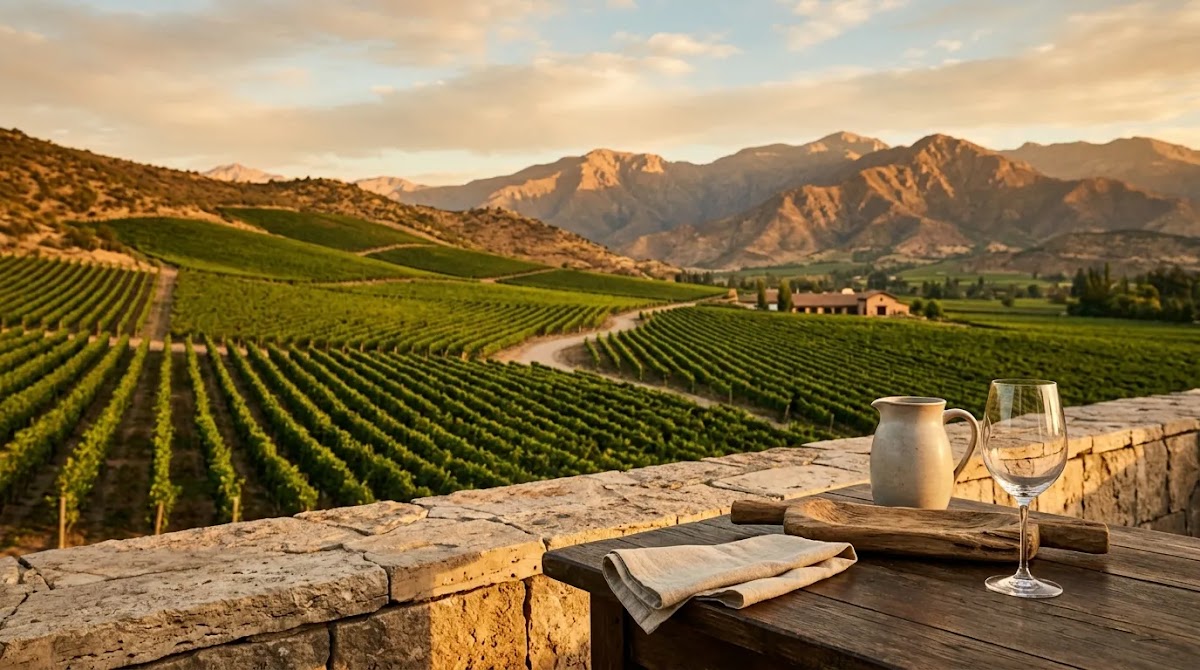
This Chilean wine guide helps curious red-wine drinkers compare six bottles from Maipo and Colchagua. Expect Cabernet Sauvignon with cassis and structure, Carmenère with dark berries and spice, plus food, serving, and occasion tips for each pour. For a broader regional perspective, begin with our South American & South African Wine Guide.
This ranking is not a claim that one grape is inherently superior to another. Instead, this Chilean wine guide offers a practical route through six different expressions of Chilean red wine, from approachable Cabernet Sauvignon to layered Cabernet Sauvignon and Carmenère blends. Prices below are current listed prices and may change.
| Rank | Wine | Grape variety | Valley | Style | Best suited to | Price |
|---|---|---|---|---|---|---|
| 1 | Haras de Pirque Albis Red Blend 2020 | Cabernet Sauvignon and Carmenère | Maipo Valley | Full-bodied, complex, silky | A serious dinner or gift | HK$499 |
| 2 | Haras de Pirque Ecral Gran Reserva Carmenere 2020 | Carmenère | Maipo Valley | Fresh, spiced, softly structured | Discovering Chile’s signature grape | HK$268 |
| 3 | Miguel Torres Cabernet Sauvignon Vigno Cordillera 2023 | Cabernet Sauvignon | Maipo Valley | Juicy, powerful, elegant | Classic Cabernet with roast meats | HK$160 |
| 4 | Bisquertt Family Vineyards 'Q Clay' Syrah - Malbec 2019 | Syrah and Malbec | Colchagua Valley | Juicy, mineral, medium-bodied | Spice-led dishes and adventurous palates | HK$265 |
| 5 | Haras de Pirque 'Galantas' Gran Reserva Cabernet Franc 2019 | Cabernet Franc | Maipo Valley | Supple, fresh, mineral-laced | Elegant red-wine drinkers | HK$268 |
| 6 | La Joya Single Vineyard Cabernet Sauvignon 2023 | Cabernet Sauvignon | Colchagua Valley | Fruity, smooth, balanced | An easy introduction to Chilean Cabernet | HK$149 |
Maipo Valley Chile is closely associated with Cabernet Sauvignon and Bordeaux varieties. In the wines featured here, that identity appears through black fruit, cassis, tobacco, measured freshness, and tannic structure. Carmenère also finds a persuasive home in Maipo, where it can balance dark-fruited depth with floral, herbal, and spicy detail.
Colchagua Valley wine often presents a more openly fruity and aromatic profile in this selection. The La Joya Single Vineyard Cabernet Sauvignon 2023 shows plum, cherry, and green pepper, while the Syrah-Malbec blend from Bisquertt Family Vineyards brings blueberry, violet, licorice, and mineral texture. If Malbec has caught your attention, our Malbec Wine Guide: Argentina's Signature Grape Explained offers useful context on the grape’s more familiar Argentine expression.
Chile is not defined only by red wine. Casablanca Valley wine is widely associated with fresher coastal styles, particularly Sauvignon Blanc and Chardonnay, but the six bottles ranked here concentrate on the country’s compelling red-wine range. That focus makes the contrast between Cabernet Sauvignon, Carmenère, Cabernet Franc, Syrah, and Malbec easier to understand in a single tasting.
Maipo and Colchagua sit within a long wine-growing country shaped by the Andes to the east and the Pacific Ocean to the west. Mountain influence, coastal air, altitude, rainfall, and the distance between valleys can all affect ripening and freshness. This geography helps explain why Chile can produce both structured inland reds and brighter, cooler-climate wines. Chile’s geography puts that remarkable north-to-south reach into useful perspective.
North of Maipo, Aconcagua can combine warm conditions with cooling influences from the coast and higher sites. Casablanca, closer to the Pacific, is particularly associated with fresh Sauvignon Blanc and Chardonnay. The six wines in this ranking remain focused on red varieties, so Casablanca is useful mainly as a reminder that Chilean wine extends beyond Cabernet Sauvignon and Carmenère.
Further south, Maule has a long winemaking history and a broad range of vineyard conditions, while cooler southern areas can offer styles shaped by lower temperatures and greater rainfall. Chile’s north-to-south reach means valley names should be treated as a starting point rather than a complete description of a bottle. Vineyard site and producer choices still shape the final wine.
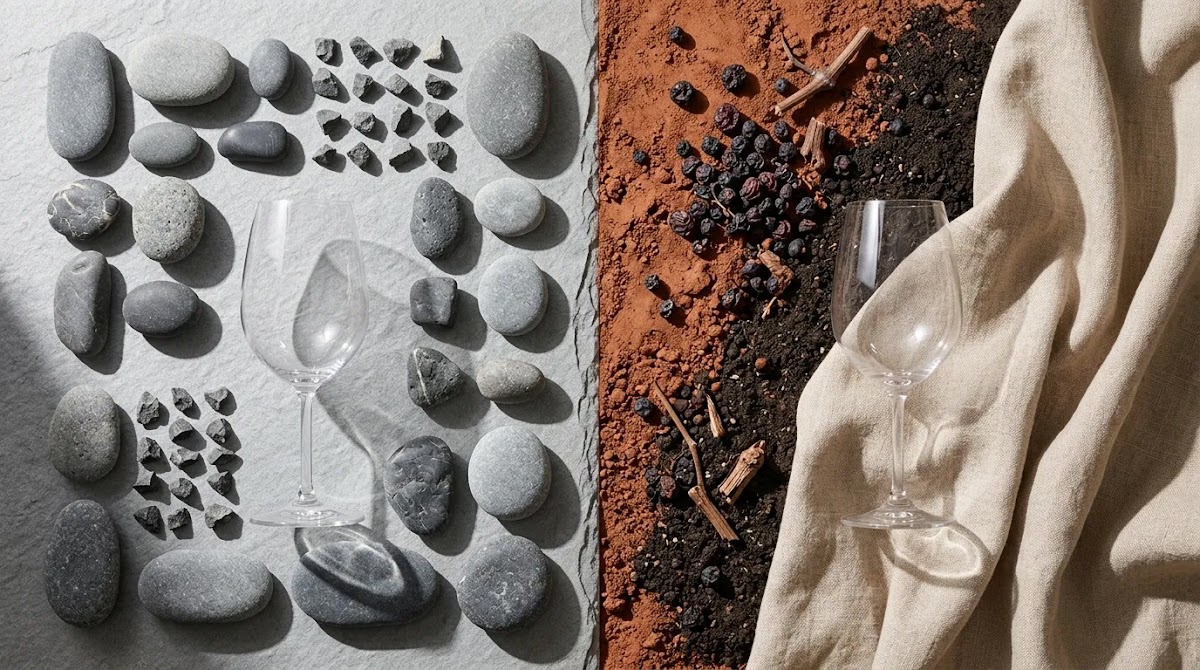

In this Chilean wine guide, Haras de Pirque Albis Red Blend 2020 takes first place because it most clearly combines Chilean Cabernet Sauvignon structure with Carmenère character. From Maipo Valley, it is a blend of Cabernet Sauvignon and Carmenère with deep ruby color, aromas of ripe black fruits, cassis, tobacco, and subtle herbal notes. The palate is full-bodied and complex, shaped by vibrant acidity, silky tannins, and a long finish.
Considerations:
Who it is for: Drinkers looking for a composed, layered Maipo red for roast beef, lamb, or a considered gift. Who should look elsewhere: Those seeking a lighter, immediately simple red should begin with La Joya instead. Price: HK$499. Shop Now →

Haras de Pirque Ecral Gran Reserva Carmenere 2020 is the most direct route into Carmenère wine Chile. In this Chilean wine guide, its Maipo Valley expression has intense cherry-red color and an aromatic profile centered on blackberries, spice, and floral sensations. It is generous and persistent on the palate, with freshness and soft, elegant tannins.
Considerations:
Who it is for: Anyone who wants a focused introduction to Chile’s emblematic red grape, particularly alongside grilled meats or mushroom dishes. Who should look elsewhere: Choose a Cabernet Sauvignon if cassis and toasted-oak notes are your priority. Price: HK$268. Shop Now →

Miguel Torres Cabernet Sauvignon Vigno Cordillera 2023 is a Maipo Valley Cabernet Sauvignon with deep, dense ruby-red color. Its bouquet combines sweetly ripened fruit, pickled dark berries, blackberries, and touches of leather. Juicy and powerful on the palate, it retains elegance through gently ripe tannins. Black fruit, spice, and freshly toasted oak carry through the long finish.
Considerations:
Who it is for: Cabernet Sauvignon drinkers who enjoy expressive dark fruit with oak detail and a firm dinner-table presence. Who should look elsewhere: Seek the Galantas Cabernet Franc for a more mineral-laced and supple alternative. Price: HK$160. Shop Now →

Picture a glass that opens with a burst of raspberry candy and violets before settling into deeper blueberry, blackberry, and dark cherry tones. That's the character of Bisquertt Family Vineyards' 'Q Clay' Syrah-Malbec 2019, another expression of Colchagua Valley's storytelling potential. This Syrah-Malbec pairing lands medium-bodied, layered with licorice and a mineral edge that keeps things grounded. Bright acidity and well-rounded tannins carry through to juicy notes of cassis, plum, and cherry on the palate, earning it a spot as the most fragrant, aromatically expressive pour in our lineup.
Considerations:
Who it is for: A good choice for readers drawn to expressive, spice-edged reds and Colchagua Valley character. Who should look elsewhere: Choose Carmenère for a more focused Chilean grape experience. Price: HK$265. Shop Now →

Haras de Pirque 'Galantas' Gran Reserva Cabernet Franc 2019 shows another side of Maipo Valley. Made from Cabernet Franc, it has ruby-purple color and dark berry aromas. The palate is supple, elegant, fresh, and mineral-laced. Compared with the Cabernet Sauvignon wines in this guide, it presents a less oak-defined route to dark-fruited red wine.
Considerations:
Who it is for: Red-wine drinkers who favor freshness and suppleness over maximum weight. Who should look elsewhere: Choose Albis if a full-bodied blend with greater stated complexity is the goal. Price: HK$268. Shop Now →

La Joya Single Vineyard Cabernet Sauvignon 2023 is a Colchagua Valley Cabernet Sauvignon with deep ruby color, aromas of plum, cherry, and green pepper, and a fruity palate framed by balanced tannins. Its smooth, enjoyable manner makes it the most straightforward starting point for readers new to Chilean Cabernet Sauvignon.
Considerations:
Who it is for: A sensible first bottle for exploring Colchagua Cabernet Sauvignon over a relaxed dinner. Who should look elsewhere: Choose Q Clay if you prefer a more floral, Syrah-Malbec-led profile. Price: HK$149. Shop Now →
Chilean Cabernet Sauvignon often works well with dishes that have enough savory depth to meet its tannin and black-fruit character. Char siu pork, roast beef, grilled lamb, and mushroom-based dishes can all be sensible starting points. The firmer and more oak-influenced the wine, the more useful it is to include protein, fat, or a caramelized element on the plate.
Carmenère tends to suit dishes with aromatic spice and herbal notes. Try it with cumin-rubbed lamb, roasted eggplant, beef stir-fries with black pepper, or duck with a savory sauce. The Q Clay Syrah-Malbec can work particularly well where spice and fruit are present together, such as grilled sausages, lamb skewers, or slow-cooked beef dishes. For more ideas around the table, see our guide to the best wine for Chinese food in Hong Kong.
For a wider look at how Syrah changes between regions and labels, read Shiraz vs Syrah: Same Grape, Completely Different Wines. Its distinction is useful here because the Colchagua Syrah-Malbec blend brings Syrah’s aromatic, dark-fruited side rather than the more straightforward structure of a Maipo Cabernet.
Because of Hong Kong's sticky heat, reds can come across as heavier and more alcohol-forward than the winemaker intended. To counter this, pour Cabernet Sauvignon and Cabernet Sauvignon-Carmenère blends at roughly 60 to 65°F (16 to 18°C). Their fuller structure holds up best there. Carmenère and Cabernet Franc, on the other hand, shine when chilled a touch further, around 57 to 63°F (14 to 17°C). That cooler range lets their bright, fresh character come through. Even the medium-bodied Q Clay Syrah-Malbec tends to taste better when served toward the cooler side of its range.
A short decant of around 20 to 40 minutes may help structured bottles such as Albis and Vigno Cordillera open their aromas and soften their first impression. It is not essential for every bottle. Ecral, Galantas, La Joya, and Q Clay may be enjoyable shortly after opening, particularly when freshness is the main attraction.
Decanting is a matter of bottle condition and preference rather than a rule. A wine stored in excessive heat, a mature bottle, or a bottle already showing delicate aromas may not improve with extended air exposure. Taste a small pour first, then decide whether more time in a decanter is useful.
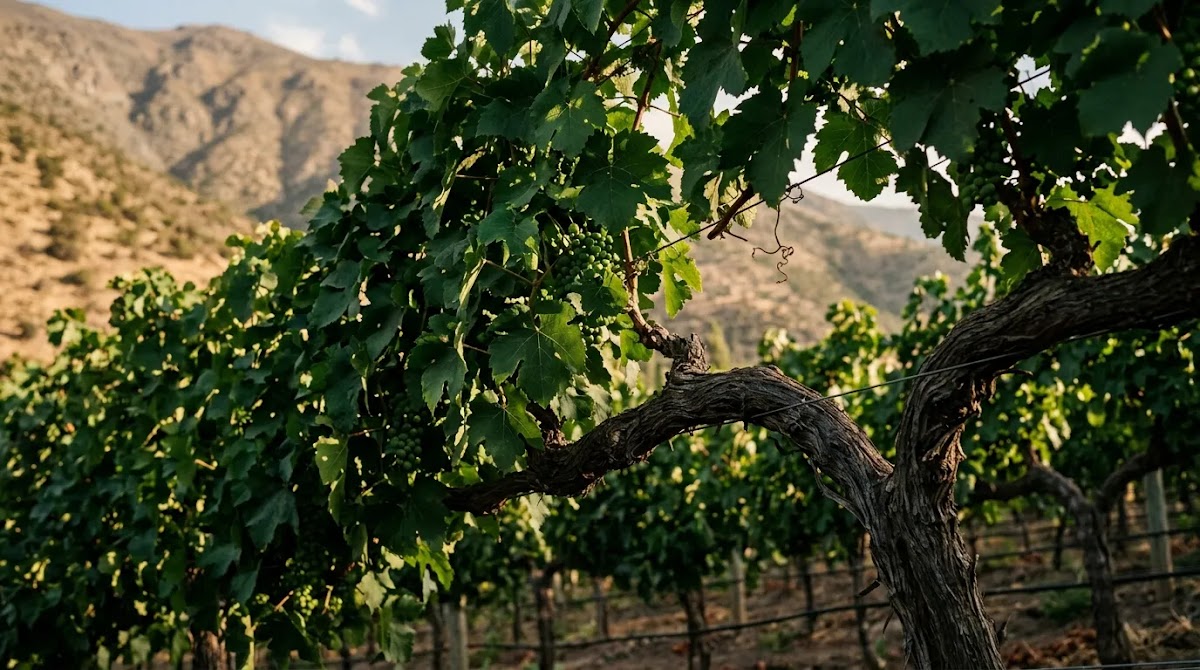
Chile’s wine history began with grapevine plantings during the colonial period, then expanded through European influence and investment in the nineteenth century. Modern fine-wine development has built on this foundation, with producers increasingly identifying vineyard sites, refining cellar practices, and presenting regional differences more clearly.
Cabernet Sauvignon remains one of Chile’s most important red grapes, especially in Maipo Valley, where it can combine dark fruit, structure, and savory detail. Carmenère has become Chile’s signature variety after it was recognized in the country’s vineyards in the 1990s, having long been mistaken for Merlot. Its blackberry, spice, floral, and herbal character offers a profile that is immediately distinct from Cabernet Sauvignon.
These grapes are useful reference points, but Chilean reds should not be treated as one uniform style. A Maipo Cabernet, Colchagua Syrah-Malbec, and a Carmenère from a carefully selected vineyard can differ in ripeness, acidity, tannin, aroma, and texture. Regional identity, vineyard site, and producer decisions are all part of the final result.
The order reflects the clarity of each bottle’s regional and varietal expression, the detail of its stated profile, structural balance, and usefulness for different drinking occasions. A wine is not ranked highly simply because it is more expensive or fuller-bodied. The first-place Albis earns its position for its Cabernet Sauvignon and Carmenère blend, complex aromatic range, vibrant acidity, silky tannins, and long finish.
Paul William Sargent, Certified Sommelier, approaches such comparisons by separating grape identity from personal preference. A buyer who enjoys a supple, fresh Cabernet Franc may be better served by Galantas than by a more powerful Cabernet Sauvignon. Similarly, La Joya’s balanced, fruity profile is not lesser because it is simpler. It has a distinct purpose as an approachable Colchagua Cabernet.
Vintage, storage, serving temperature, and food can all affect how a wine presents. These wines are best treated as individual expressions of Chilean regions and grapes rather than interchangeable examples of “Chilean red.”

Carmenère is Chile’s most distinctive international calling card, although Cabernet Sauvignon is also central to the country’s red-wine identity. Carmenère commonly shows dark fruit, spice, floral notes, and an herbal edge. Cabernet Sauvignon more often emphasizes cassis, blackberry, structure, and savory detail.
There is no single authoritative top-10 list because wine quality and suitability depend on vintage, vineyard site, style, availability, and personal preference. This Chilean wine guide instead compares six Chilean reds with distinct grape and regional identities. Albis is the most layered choice in this selection, while Ecral provides a focused Carmenère expression and La Joya offers an approachable Cabernet Sauvignon starting point.
The 75 rule usually refers to serving wine at around 75 percent of room temperature, particularly in warm conditions, rather than serving it at a hot room temperature. For red wine, the useful practical point is that most bottles show better slightly cool than warm. In Hong Kong, brief chilling before serving can help keep aromas fresh and tannins balanced.
Carmenère is often regarded as Chile’s most recognizable wine identity because the grape has become closely associated with the country. Cabernet Sauvignon is also highly important, particularly in Maipo Valley. The better choice depends on whether you prefer Cabernet’s structure and cassis-like character or Carmenère’s dark fruit, spice, floral notes, and herbal nuance.
No Chilean wine region is best for every grape or drinking preference. Maipo Valley is widely respected for Cabernet Sauvignon and other Bordeaux varieties, while Colchagua is known for expressive red wines. Casablanca is especially associated with fresher coastal Sauvignon Blanc and Chardonnay. The most suitable region depends on the style you want to drink.
La Joya Single Vineyard Cabernet Sauvignon 2023 is a clear starting point for someone exploring Chilean reds. Its plum, cherry, green-pepper aroma profile, fruity palate, and balanced tannins offer a recognizable Cabernet Sauvignon style without requiring the concentration of a fuller-bodied blend.
In this selection, Maipo Valley is represented by Cabernet Sauvignon, Carmenère, Cabernet Franc, and a Cabernet Sauvignon-Carmenère blend with structured, savory, or fresh profiles. Colchagua Valley appears through a fruity Cabernet Sauvignon and an aromatic Syrah-Malbec blend with fresh acidity and mineral texture.
Both grapes can produce dark-fruited Chilean reds, yet their character differs. Cabernet Sauvignon generally brings more overt structure and cassis-like notes. Carmenère often leans toward blackberry, spice, floral detail, and herbal nuance, with a softer tannic impression in the Ecral Gran Reserva expression.
Haras de Pirque Albis Red Blend 2020 is the strongest gifting choice in this lineup for a recipient who enjoys serious red wine. Its full-bodied profile, Cabernet Sauvignon-Carmenère composition, silky tannins, and long finish make it suited to a more formal dinner or occasion.
Vigno Cordillera Cabernet Sauvignon can be a good fit for roast duck, especially where the dish has savory seasoning or a deeper sauce. Its black fruit, spice, leather, toasted-oak note, and gently ripe tannins give it enough presence for the dish without needing a heavily sweet pairing.
Red wine usually shows best slightly below a warm room temperature rather than straight from a refrigerator. Chilling a bottle briefly can help preserve freshness in Hong Kong’s climate, especially for supple reds. Avoid overchilling, which can mute aroma and make tannins seem more angular.
Chilean Malbec can appear in blends, as it does in the Q Clay Syrah-Malbec, where it joins Syrah’s dark-fruit and aromatic character. Argentine Malbec is more commonly encountered as a single-variety wine. The comparison should account for blend composition, region, vintage, and winemaking choices.
Choose by the kind of evening you are planning. Cabernet Sauvignon offers familiar structure, Carmenère provides a distinctly Chilean route, and Syrah-Malbec brings a more aromatic detour through Colchagua Valley.
| Rank | Wine | Best for | Price |
|---|---|---|---|
| 1 | Haras de Pirque Albis Red Blend 2020 | Layered Maipo complexity for a special dinner | HK$499 |
| 2 | Haras de Pirque Ecral Gran Reserva Carmenere 2020 | Exploring Carmenère | HK$268 |
| 3 | Miguel Torres Cabernet Sauvignon Vigno Cordillera 2023 | Classic Maipo Cabernet Sauvignon | HK$160 |
| 4 | Bisquertt Family Vineyards 'Q Clay' Syrah - Malbec 2019 | Aromatic, spice-led red wine | HK$265 |
| 5 | Haras de Pirque 'Galantas' Gran Reserva Cabernet Franc 2019 | Fresh, supple Cabernet Franc | HK$268 |
| 6 | La Joya Single Vineyard Cabernet Sauvignon 2023 | An approachable Colchagua Cabernet | HK$149 |
Chile’s most interesting lesson is that grape variety and valley work together. Maipo’s Cabernet Sauvignon, Carmenère, and Cabernet Franc expressions offer structure, freshness, and savory detail in different proportions. Colchagua adds a more fruit-forward and aromatic perspective through Cabernet Sauvignon and Syrah-Malbec. Start with the bottle that matches your food and preferred texture, then use the contrast between the wines to build a clearer sense of Chilean terroir. Each bottle in this Chilean wine guide offers a distinct way to explore the country’s red-wine identity.
A quick note before you pour: everything we share at Bidvino is meant for wine lovers 18 and older, and we always encourage drinking mindfully and in moderation. The flavours, aromas, and quality notes you find in our stories come from our own tasting team's honest impressions, and since every bottle has its own journey, factors like vintage, storage conditions, and personal taste can shift those experiences from one glass to the next. Also worth mentioning: prices and stock levels can change, so for the latest details, swing by bidvino.com.
 Bidvino Customer Service