0
item(s)
View cart
You have no items in your shopping cart.
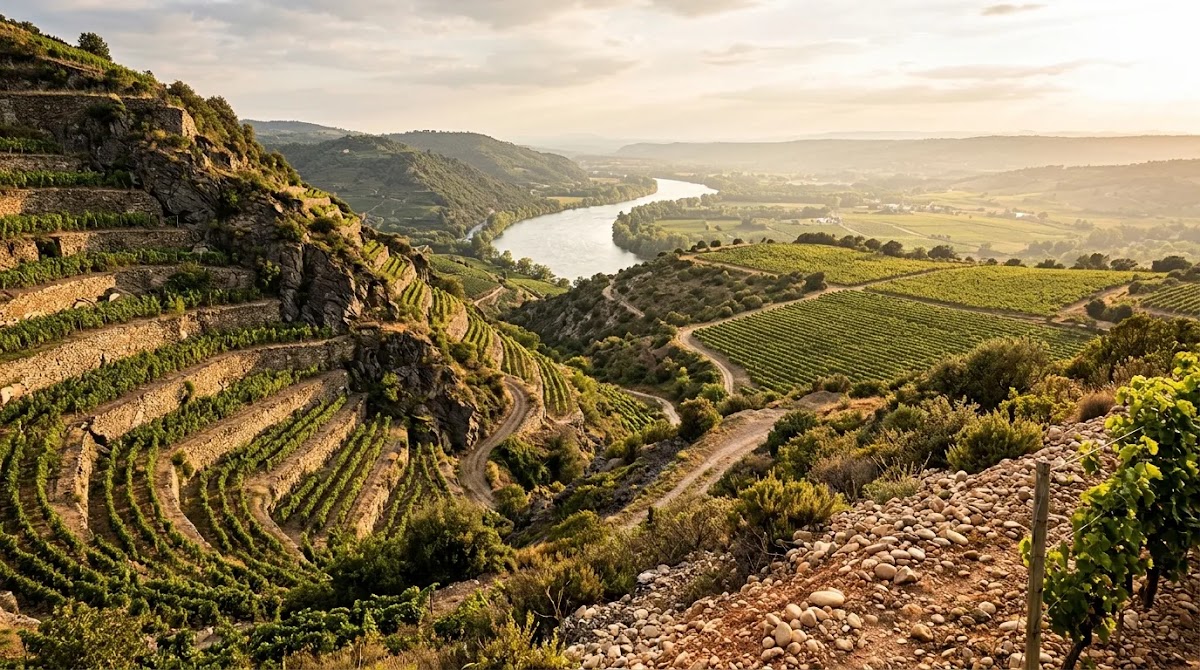
Rhone Valley wine thrives on contrast: peppery, floral Syrah on steep northern slopes, then sun-loving Grenache with generous fruit and savory spice in the south. White Rhône has its own character, from fragrant Viognier to layered Marsanne and Roussanne. These five bottles reveal those differences through their grapes, appellations, and formats. The ranking considers regional expression, producer detail, food versatility, occasion fit, and the information available for each wine. For a broader map of appellations beyond these picks, begin with our French Wine Regions: Alsace, Loire, Rhône & Champagne.
The Rhône does not make a single wine style. Northern Rhône producers lean on Syrah for red wines, while whites often feature Marsanne, Roussanne, and Viognier. Meanwhile, Southern Rhône producers have a broader palette of permitted varieties, with Grenache commonly forming the generous, fruit-led core of many red blends.
Châteauneuf-du-Pape is among the Southern Rhône’s most recognizable appellations. Its best-known reds may combine Grenache with Syrah, Mourvèdre, and other permitted grapes. So, they often yield wines with more breadth than a single-variety Northern Rhône Syrah. For perspective on France’s other great red-wine reference point, see our Bordeaux Wine Guide: Regions, Châteaux & Best Bottles 2026.
Syrah does double duty, hinting at a place and a personality as much as the grape underneath. Rhone Valley wine versions tend to lean into pepper, violet, and dark fruit, wrapped around real structure. They are less about the plush ripeness many people picture when they hear Shiraz. If you're curious why one grape can wear two completely different faces depending on where growers plant it, our breakdown of Shiraz vs Syrah: Same Grape, Completely Different Wines digs into exactly that.
Rhône labels often show how precisely a wine connects to place. Côtes du Rhône is a broad regional appellation and can offer a useful introduction to the area’s core grapes. Côtes du Rhône Villages is a more specific tier, while wines from a named village or a cru appellation identify an even narrower origin.
Châteauneuf-du-Pape and Hermitage are cru appellations. Their names carry their own production rules rather than appearing as part of the broader Côtes du Rhône label. Permitted grapes, yields, vineyard conditions, and the concentration expected from the finished wine can differ across these levels. More specific labels may command higher prices, but appellation alone does not determine whether a bottle suits your table or palate. The official Rhône Valley wine body offers more detail on the region and its appellations.
That distinction helps explain the range in this selection. Mon Coeur carries the Côtes du Rhône label and offers an accessible Grenache-Syrah-led regional expression. The two Châteauneuf-du-Pape wines come from a Southern Rhône cru known for broader, more ambitious red blends or focused Grenache. Meanwhile, Hermitage Blanc is a Northern Rhône cru white, built from Marsanne and Roussanne and shaped by a markedly different place and style.
| Rank | Wine | Style and grapes | Region or appellation | Best for | Price |
|---|---|---|---|---|---|
| 1 | Gari la Cuvee de Chateauneuf du Pape 2017 (Single bottle-750ml) | Organic single-parcel Grenache from 50-year-old vines | Châteauneuf-du-Pape, Southern Rhône | A serious dinner or considered gift | $890 |
| 2 | Domaine des Senechaux Chateauneuf-du-Pape 2021 | Grenache Noir, Syrah, Mourvèdre, Cinsault-Vaccarèse | Châteauneuf-du-Pape, Southern Rhône | A polished introduction to Southern Rhône reds | $430 |
| 3 | Domaine Jean-Louis Chave Selection Cotes du Rhone Mon Coeur 2022 | Grenache and Syrah with Cinsault and Mourvèdre | Côtes du Rhône | Weeknight meals and sharing | $155 |
| 4 | Delas Vin de Pays Viognier Blanc 2023 | Viognier | IGP Pays d'Oc | An aromatic white-wine starting point | $105 |
| 5 | Domaine Jean-Louis Chave Selection Hermitage Blanc 2020 | 80% Marsanne, 20% Roussanne | Hermitage, Northern Rhône | A textured white for the dinner table | $580 |
The Rhône has several benchmark names that help place these five wines in context. In the Northern Rhône, Côte-Rôtie, Hermitage, Cornas, and Saint-Joseph are important red appellations where Syrah is central. Their styles can differ by site, producer, and vintage, but readers often look to these appellations for structured, savory, peppered Northern Rhône Syrah.
Condrieu is a key Northern Rhône reference for Viognier. Its floral and stone-fruit character contrasts usefully with the Delas Vin de Pays Viognier Blanc 2023, which carries an IGP Pays d'Oc label rather than a Northern Rhône appellation. This selection includes a Northern Rhône white through Hermitage Blanc, but it does not include a Northern Rhône Syrah. So, drinkers seeking that focused red style should recognize the difference between it and the Southern Rhône blends featured here.
In the Southern Rhône, Gigondas and Vacqueyras sit alongside Châteauneuf-du-Pape as widely recognized appellations. Their reds commonly emphasize blends, often with Grenache playing an important role alongside varieties such as Syrah and Mourvèdre. Exploring these names can help readers see how Southern Rhône character changes from one appellation and producer to another.
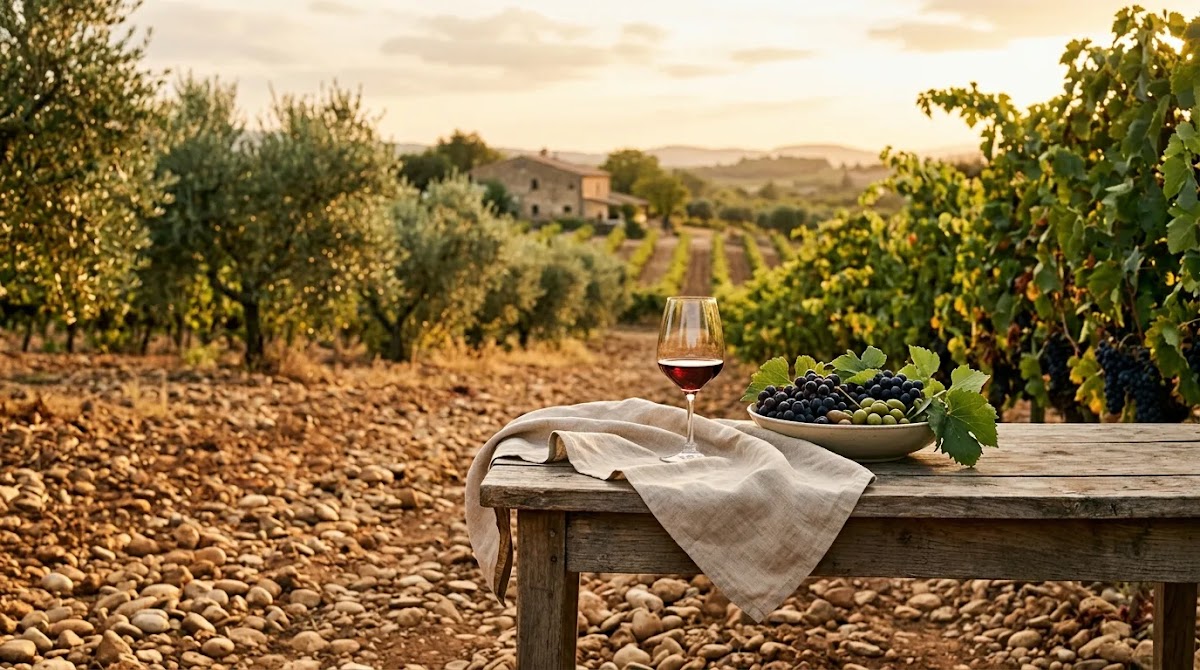

Gari la Cuvee de Chateauneuf du Pape 2017 (Single bottle-750ml) takes first place because the story is unusually specific: organically farmed Grenache from one small eastern Châteauneuf-du-Pape parcel, planted with 50-year-old vines. The wine also carries a distinctive collaboration story involving a three-Michelin-starred chef and a world-renowned architect. It was previously available only at Restaurant Pierre Gagnaire in Paris.

This is not the bottle to open without a meal or a reason. Its single-vineyard focus and established-vine material make it the selection’s most compelling choice for readers who want Châteauneuf-du-Pape with a clearly defined place behind it.
Who it is for: Collectors, experienced Grenache drinkers, and hosts planning a celebratory dinner with roast lamb, beef, or a deeply flavored vegetarian centerpiece.
Who should look elsewhere: Choose a fresher, lower-priced bottle if the goal is a relaxed weekday red.

Domaine des Senechaux Chateauneuf-du-Pape 2021 is the most complete Southern Rhône red introduction in this ranking. The blend is 47% Grenache Noir, 32% Syrah, 19% Mourvèdre, and 2% Cinsault-Vaccarèse. That combination brings Grenache’s red-fruit generosity together with Syrah’s spice and Mourvèdre’s savory structure.
The producer describes raspberry and cherry on the nose, followed by blackcurrant, raspberry, candied Morello cherry, licorice, pepper, restrained wood, and fine tannins. So, it is a useful bottle for learning how Châteauneuf-du-Pape can feel both powerful and harmonious.
Who it is for: Drinkers building confidence with Châteauneuf-du-Pape and hosts serving duck, roasted meats, mushroom dishes, or aged hard cheeses.
Who should look elsewhere: Select the Viognier if you want a lighter, aromatic white for seafood or aperitif service.

Domaine Jean-Louis Chave Selection Cotes du Rhone Mon Coeur 2022 offers a direct view of the Rhone Valley wine style through Grenache and Syrah, supported by a touch of Cinsault and Mourvèdre. Bright crimson in color, it is described as medium-bodied, fresh, crisp, straightforward, and well structured.
Its plum and black-cherry profile is joined by violet, pepper, and spice. Those details make it an approachable teaching bottle for anyone trying to recognize how Grenache and Syrah behave together outside a grander appellation.
Who it is for: Curious drinkers, casual dinner hosts, and anyone learning the difference between a broad regional Côtes du Rhône and a more narrowly defined appellation.
Who should look elsewhere: Choose the Sénéchaux red if you want greater concentration and a fuller Châteauneuf-du-Pape profile.

Delas Vin de Pays Viognier Blanc 2023 is the most straightforward route into Viognier in this group. The wine carries an IGP Pays d'Oc label rather than a Northern Rhône appellation such as Condrieu, but its grape variety offers a useful point of comparison for readers drawn to Viognier’s aromatic potential.
Apricot, peach, exotic fruit, and preserved citrus are listed on the nose. The palate is described as smooth and fresh, with a dried-fruit suggestion at the finish. That combination can work well with aromatic Asian dishes, roast chicken, or creamy vegetable preparations.
Who it is for: New Viognier drinkers and hosts seeking a fragrant white for dim sum with richer fillings, grilled prawns, or mildly spiced dishes.
Who should look elsewhere: Choose Hermitage Blanc if you want a fuller, more layered white Rhône expression.

Domaine Jean-Louis Chave Selection Hermitage Blanc 2020 broadens the ranking beyond Viognier by showing another essential Northern Rhône white style. It is made from 80% Marsanne and 20% Roussanne from a mix of lieux-dits, or named sites. This is a useful reminder that Rhone Valley wine is more varied than its most famous aromatic grape.
The wine is described as perfumed, with acacia flowers, buttered stone fruits, toasted brioche, honeysuckle, and crushed stone. On the palate, it is full-bodied and layered, with depth, purity, balance, and intensity. So, serve it with substantial dishes rather than treating it as a simple chilled aperitif.
Who it is for: White-wine collectors, Rhône enthusiasts, and diners matching wine with roasted poultry, lobster, rich fish dishes, or dishes featuring mushrooms and cream.
Who should look elsewhere: Choose the Delas Viognier for a more overtly aromatic and immediately approachable white.
Start with the grape rather than the reputation of the appellation. Grenache-led wines often appeal to drinkers who enjoy red-fruit generosity, warmth, and spice. Syrah adds dark fruit, pepper, violet, and firmer structure. A blend can be more balanced than a single-variety wine because each component brings a different strength.
Then consider the meal. The Sénéchaux red and Cuvée Gari belong with deeply flavored dishes, particularly roasted or braised meats. The Côtes du Rhône Mon Coeur is more flexible for grilled meats, charcuterie, and midweek dinners. For whites, Viognier’s aromatic stone-fruit profile can suit aromatic dishes, while Hermitage Blanc’s richer, layered texture deserves a fuller plate. Our guide to the best wine for Chinese food in Hong Kong can help with another dinner-table comparison.
Appellation is also a clue to intent. Châteauneuf-du-Pape generally signals a more ambitious Southern Rhône expression, while Côtes du Rhône is often the best place to understand the region’s core grapes in a more relaxed format. A Northern Rhône Hermitage white is an altogether different proposition, built around Marsanne and Roussanne rather than Grenache or Viognier.
If Bordeaux is your usual reference, remember that the comparison is not exact. Bordeaux commonly emphasizes Cabernet Sauvignon, Merlot, and Cabernet Franc, whereas Rhône reds often revolve around Grenache and Syrah. Our explanation of Left Bank vs Right Bank Bordeaux: What's the Real Difference? helps place those distinctions in context.
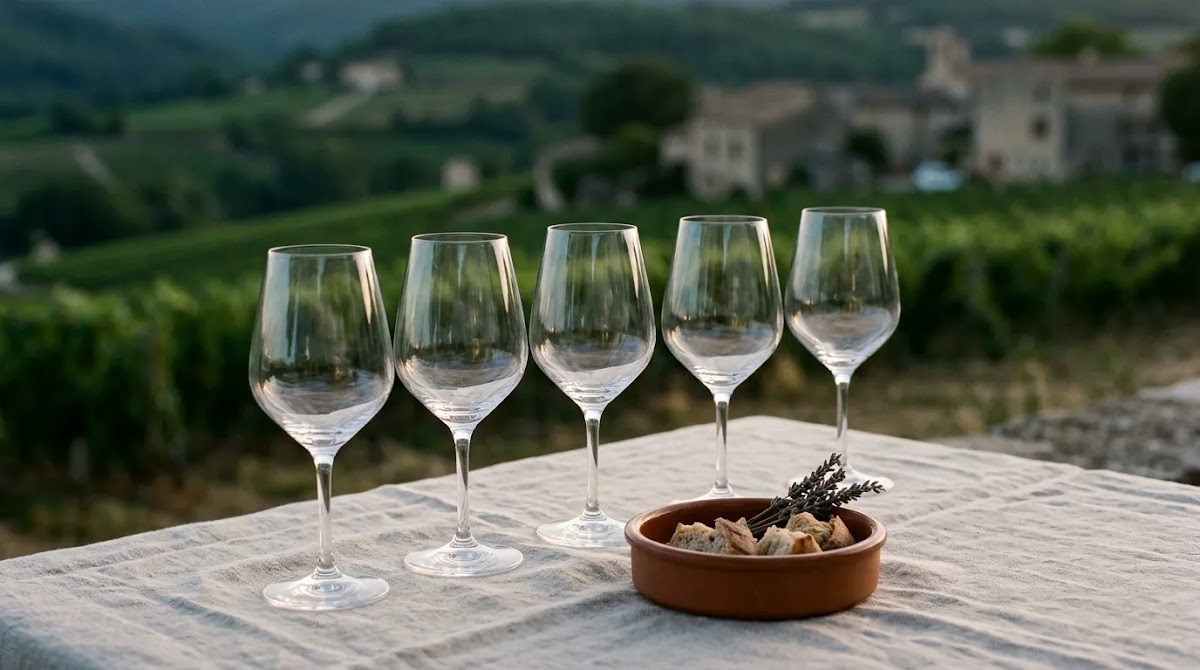
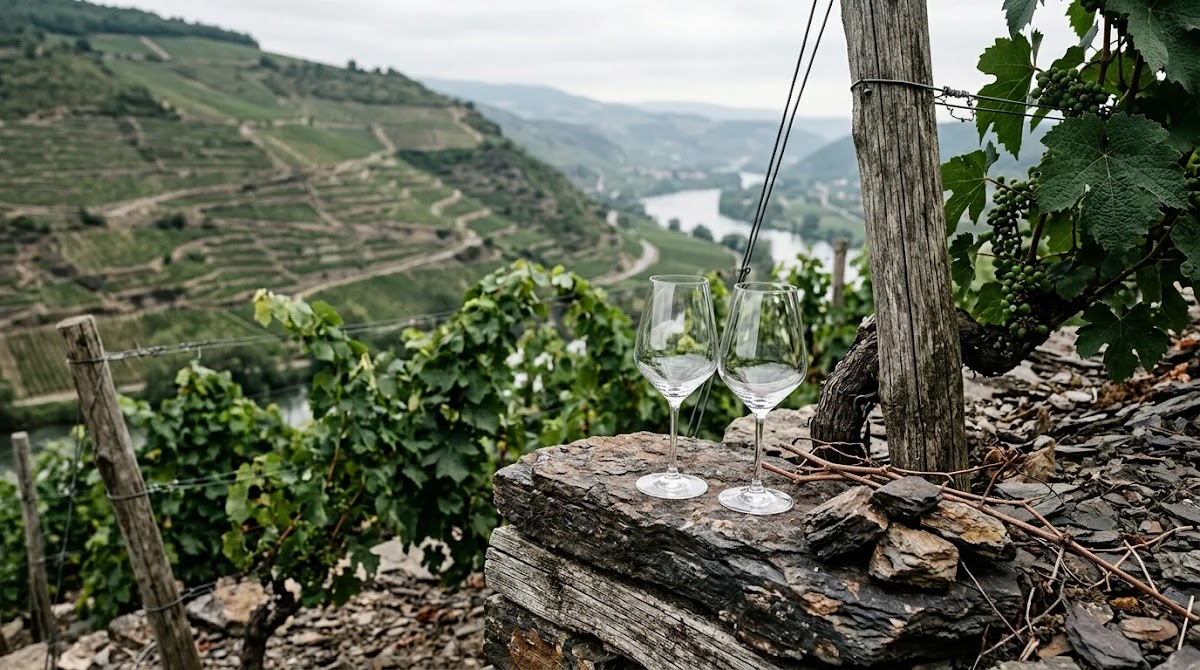
Northern Rhône vineyards often sit on steep slopes beside the river, where cooler conditions can support fresher structure and aromatic detail. Granite is an important soil in several northern areas, and it can be associated with wines that feel firm, mineral, and precise. In red wines, that setting helps explain why Syrah may show pepper, violet, dark fruit, and marked structure rather than broad warmth alone.
The Southern Rhône is generally sunnier and more expansive, with vineyards planted across stones, sand, and clay. Grenache can ripen generously in these conditions, often bringing red fruit, warmth, and spice to a blend. The Mistral, a strong regional wind, can help keep vineyard conditions dry after rain. It may also influence how growers manage their sites, though each vineyard responds differently according to its exposure and soil.
These differences are visible in the glass. Châteauneuf-du-Pape may show breadth and ripe fruit from its Southern Rhône setting, while Hermitage Blanc can bring fuller texture and layered perfume from Marsanne and Roussanne grown in the north. Still, soil, slope, weather, grape variety, and the producer’s decisions all contribute, so geography is a useful guide rather than a guarantee of one fixed style.
Paul William Sargent, Certified Sommelier, made this editorial selection based on the wines’ stated grape composition, appellation or regional designation, production detail, style description, food relevance, and suitability for different drinking moments. A bottle did not earn its rank simply because it is more expensive or from a more famous appellation.
First place goes to Cuvée Gari because its organic single-parcel Grenache, 50-year-old vines, and Châteauneuf-du-Pape origin provide the clearest sense of place and occasion. The Sénéchaux red follows for its explicit Southern Rhône blend and detailed profile. Mon Coeur earns its place as an accessible Grenache-Syrah introduction, while the Delas Viognier and Chave Hermitage Blanc illustrate two very different approaches to Rhône-inspired and Northern Rhône white wine.
Vintage conditions, storage, and personal preference influence every bottle. So, treat these wines as starting points for comparison, not as substitutes for your own palate.
Northern Rhône wine is often more focused by appellation and grape, with Syrah central to red wines and Marsanne, Roussanne, or Viognier important for whites. Southern Rhône wine frequently uses blends, particularly Grenache with Syrah and Mourvèdre. The Southern Rhône can feel broader and more generous, while Northern expressions often emphasize structure, perfume, and site character.
Famous Northern Rhône appellations include Côte-Rôtie, Hermitage, Cornas, Saint-Joseph, and Condrieu. In the Southern Rhône, Châteauneuf-du-Pape, Gigondas, and Vacqueyras are major names. Their reputation reflects a combination of history, place, production rules, and producer quality, so the appellation is best used as a starting point rather than a substitute for learning about an individual bottle.
There is no single best Northern Rhône wine because preference depends on whether you favor red Syrah or white wines. Hermitage and Côte-Rôtie are often sought by collectors for red wine, while Condrieu is a major Viognier reference. For a Northern Rhône white in this selection, Domaine Jean-Louis Chave Selection Hermitage Blanc 2020 offers a full-bodied Marsanne-Roussanne expression with layered texture.
Rhône style usually refers to the grapes and regional character associated with the valley. Northern Rhône reds are typically Syrah-led and may show pepper, violet, dark fruit, and structure. Southern Rhône reds commonly use blends centered on Grenache, often with Syrah and Mourvèdre, bringing ripe fruit, spice, and breadth. White Rhône styles range from aromatic Viognier to fuller Marsanne-Roussanne wines.
No. Grenache is a leading variety in many Châteauneuf-du-Pape reds, but the appellation permits multiple grape varieties. The Sénéchaux 2021 combines Grenache Noir, Syrah, Mourvèdre, and a small amount of Cinsault-Vaccarèse. Cuvée Gari, by contrast, is made from Grenache grown in one organic vineyard parcel.
Domaine Jean-Louis Chave Selection Cotes du Rhone Mon Coeur 2022 is the most direct entry point in this selection. Its Grenache-Syrah blend and medium-bodied, fresh profile provide recognizable Rhône character without requiring a grand-occasion meal. It is also useful for learning the difference between a broad Côtes du Rhône designation and Châteauneuf-du-Pape.
Choose Cuvée Gari or the Sénéchaux Châteauneuf-du-Pape red for roast lamb, especially when the dish includes herbs, garlic, or a savory sauce. Both have the weight and spice to meet richer meat. The final choice depends on whether you want single-parcel Grenache focus or the blended complexity of Grenache, Syrah, and Mourvèdre.
Viognier is typically made as a dry white wine, although its aromas can suggest sweetness through peach, apricot, exotic fruit, and floral notes. The Delas Vin de Pays Viognier Blanc 2023 is described as smooth and fresh, with apricot, peach, exotic fruit, preserved citrus, and a dried-fruit hint. Aromatic intensity should not be confused with residual sugar.
Hermitage Blanc is commonly associated with Marsanne and Roussanne. The Domaine Jean-Louis Chave Selection Hermitage Blanc 2020 is 80% Marsanne and 20% Roussanne. Its acacia, buttered stone-fruit, toasted brioche, honeysuckle, and crushed-stone notes demonstrate why serious Northern Rhône white can have both perfume and substantial texture.
Decanting can be useful for a structured Southern Rhône red, particularly when serving it with a substantial meal. It allows the wine to open gradually and makes pouring easier if sediment is present. There is no fixed rule: taste a small pour first, then decide whether the aromas and texture benefit from more air.
Yes, provided the intensity of the dish and wine are matched carefully. Aromatic Viognier can work with roast poultry, grilled seafood, and dishes with gentle spice. A richer Hermitage Blanc can handle lobster, richer fish, or poultry with creamy sauces. Avoid pairing the most powerful whites with very delicate, lightly seasoned steamed seafood.
Syrah and Shiraz are the same grape variety, but the name can signal different regional and stylistic traditions. Rhône Syrah is often associated with pepper, violet, dark fruit, and savory structure. Shiraz may be made in many styles elsewhere. Regional climate, harvest decisions, and winemaking choices matter more than the spelling alone.
The five picks cover a useful Rhône spectrum: single-parcel Grenache, blended Châteauneuf-du-Pape, accessible Grenache-Syrah, aromatic Viognier, and textured Hermitage Blanc.
| Rank | Wine | Best for | Price |
|---|---|---|---|
| 1 | Gari la Cuvee de Chateauneuf du Pape 2017 (Single bottle-750ml) | Single-parcel Grenache and a celebratory meal | $890 |
| 2 | Domaine des Senechaux Chateauneuf-du-Pape 2021 | Classic Southern Rhône blended red | $430 |
| 3 | Domaine Jean-Louis Chave Selection Cotes du Rhone Mon Coeur 2022 | Accessible Grenache-Syrah character | $155 |
| 4 | Delas Vin de Pays Viognier Blanc 2023 | Fragrant, fruit-led Viognier | $105 |
| 5 | Domaine Jean-Louis Chave Selection Hermitage Blanc 2020 | Layered Northern Rhône white | $580 |
The Rhône rewards comparison. Taste Grenache beside Grenache-Syrah, then move from aromatic Viognier to the richer Marsanne-Roussanne profile of Hermitage Blanc, and the regional distinctions become easier to recognize. Cuvée Gari is the most distinctive choice for a serious Southern Rhône occasion, while Mon Coeur offers an approachable route into the region’s core red grapes. For white-wine drinkers, the contrast between the Delas Viognier and the Chave Hermitage Blanc is especially instructive. Choose the bottle that fits your menu and the people around the table, then give it the time and glassware its character deserves.
A quick note before you pour: everything here is meant for readers who are of legal drinking age, and we always encourage sipping responsibly. Our tasting impressions and quality calls come from the personal experience of our editorial crew, so keep in mind that a wine's character can shift with the vintage, how it's been stored, and simply who's tasting it. As for what's in stock and what it costs, those details move fast, so head to bidvino.com to see what's currently available and priced accurately.
 Bidvino Customer Service