0
item(s)
View cart
You have no items in your shopping cart.
Red wine has long been regarded as the cook’s secret ingredient, a touch of complexity that transforms a simple dish into something memorable. When added correctly, it deepens flavors, enhances aromas, and builds layers of richness impossible to achieve otherwise.
But cooking with red wine isn’t as simple as pouring it into a pan. Each dish, from beef stew simmered in Cabernet Sauvignon to slow-cooked bolognese or silky red wine reduction sauce, relies on balance, timing, and an understanding of the wine’s chemistry.
In this article, we’ll explore the theory, science, and art of cooking with red wine, diving into how it interacts with food, what wines work best, and how to use it in classic recipes without overpowering the dish.
At its core, wine is a blend of acid, tannin, alcohol, and natural sugars, all of which play vital roles in cooking. When introduced to heat, these compounds interact with food differently than any other liquid.
Alcohol is a solvent that helps release and dissolve aromatic compounds in food. It carries flavors from herbs, garlic, and meat fat, enhancing the overall aroma. However, too much alcohol creates bitterness, so wine should always be reduced (cooked down) before serving.
The mild acidity in red wine cuts through the richness of dishes like stews and sauces, adding brightness and preventing them from tasting heavy or greasy.
Tannins, found in the grape skins, add structure and slight bitterness that enhances savory meat flavors, particularly in slow-cooked dishes.
The natural sugars caramelize as wine reduces, creating a glaze-like depth that thickens and sweetens the sauce naturally.
In essence: cooking with red wine is about harmony, acid balances fat, tannins deepen meatiness, and sugars provide roundness.
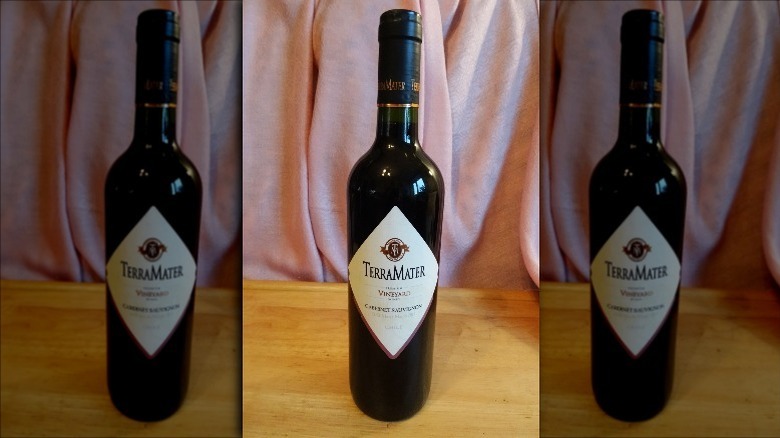
One of the biggest myths in the kitchen is that you can use “any cheap red wine for cooking.”
In truth, the quality of your dish depends directly on the quality of the wine.
If you wouldn’t drink it, don’t cook with it.
Cooking doesn’t “burn off” poor quality, it concentrates it.
A wine that’s too sweet or acidic will leave an unpleasant aftertaste.
Different dishes demand different wine structures.
|
Dish |
Ideal Wine Style |
Why It Works |
|
Beef Stew |
Dry, full-bodied (Cabernet Sauvignon, Merlot, Syrah) |
Bold enough to stand up to meat and long simmering |
|
Bolognese |
Medium-bodied (Chianti, Sangiovese, Tempranillo) |
Balances tomato acidity and beef richness |
|
Red Wine Sauces |
Light to medium-bodied (Pinot Noir, Grenache) |
Offers subtle fruitiness without heaviness |
Overly sweet reds (like dessert wines) can make sauces cloying.
Heavy, oaky wines dominate delicate flavors.
Very cheap “cooking wines” often contain salt and additives, never use them.
Aim for balance: dry, moderate acidity, and smooth tannins.
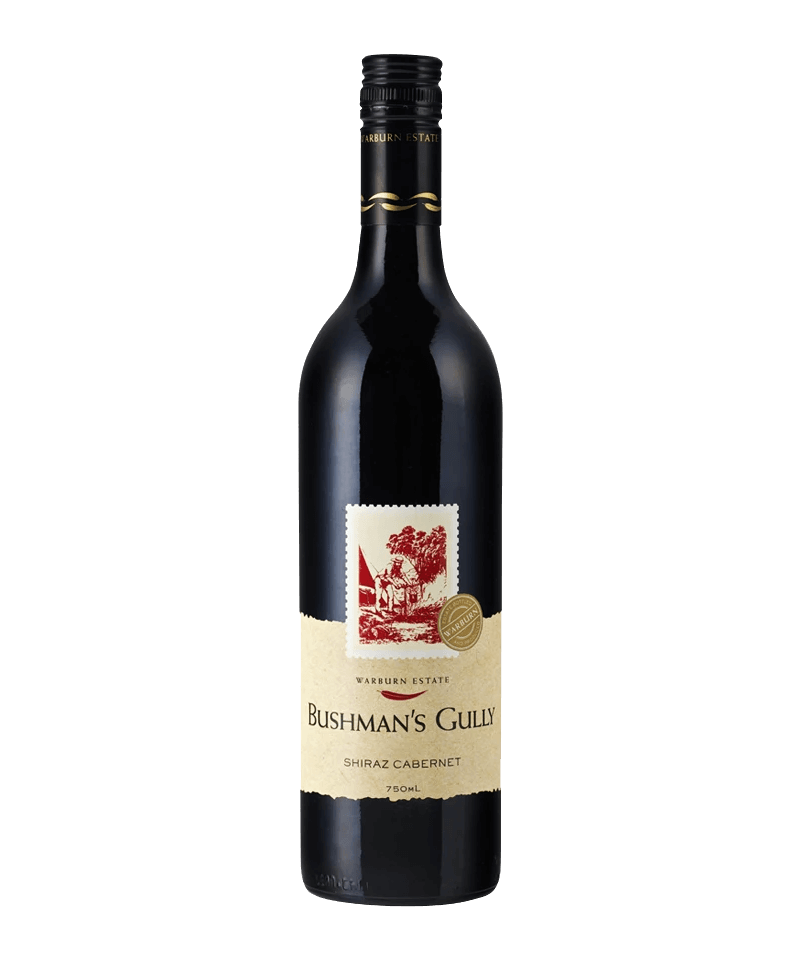
To bring all of this theory into the real world, let’s look at a specific, practical bottle that works exceptionally well in the kitchen: Bushman’s Gully Shiraz Cabernet 2023 from the Riverina region of Australia.
This wine blends Shiraz and Cabernet Sauvignon, two grape varieties known for structure, spice, and dark fruit—exactly the qualities that perform well under heat and long cooking times.
Bushman’s Gully Shiraz Cabernet is dry, bold, and moderately tannic, which makes it ideal for savory dishes that rely on reduction and slow simmering.
Key characteristics that matter in the pan:
Dark cherry and black fruit notes add depth to sauces without turning sweet
Black pepper and spice enhance beef, lamb, and tomato-based dishes
14% ABV provides enough alcohol to extract aromatics, then cleanly cooks off
Firm but smooth tannins bind well with meat proteins during long cooking
Unlike overly oaked or jammy wines, this bottle stays balanced as it reduces, which means it enhances the dish instead of dominating it.
Beef Stew & Braises
This wine stands up to long cooking times. Use it to deglaze browned beef, then simmer with stock for 2–3 hours. The tannins soften as collagen breaks down, creating a rich, velvety stew base.
Bolognese Sauce
Shiraz’s spice and Cabernet’s structure balance tomato acidity beautifully. Add the wine early, reduce it almost completely, then introduce tomatoes and stock. The result is deeper color, rounder flavor, and no harsh edges.
Red Wine Reduction Sauces
For classic red wine sauces, this bottle reduces cleanly. The dark fruit concentrates, the acidity mellows, and the spice notes remain subtle but present. Finish with butter for a glossy, restaurant-style sauce.
When reduced, Bushman’s Gully Shiraz Cabernet follows the ideal progression:
Alcohol evaporates, removing sharpness
Fruit and spice concentrate, building complexity
Acids soften, preventing heaviness
Tannins integrate, adding structure without bitterness
This behavior makes it reliable for cooks who want consistent results, especially in slow-cooked dishes.
This wine also follows the golden rule of pairing: the wine in the pot belongs in the glass.
Serve the same Shiraz Cabernet alongside beef stew or bolognese to reinforce flavor continuity between food and wine.
Produced by Warburn Estate, the wine reflects a practical, food-friendly style—bold enough for cooking, approachable enough to drink.
Using a specific wine like Bushman’s Gully Shiraz Cabernet 2023 helps bridge the gap between theory and execution. It shows how acid, tannin, alcohol, and body work together in an actual bottle—not just in abstract terms.
If you choose wines with similar traits—dry, balanced, medium-to-full bodied—you can confidently apply the same principles to stews, sauces, and reductions every time.
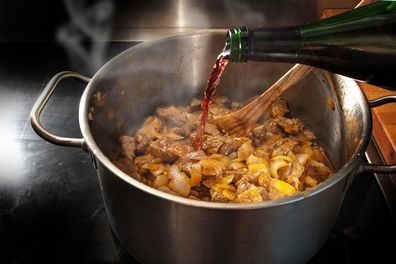
When wine meets heat, it undergoes reduction, a process that concentrates flavor as liquid evaporates.
Evaporation of Alcohol (First 5–10 Minutes)
Alcohol burns off at around 78°C (172°F). Early reduction removes harshness and focuses on flavor.
Concentration of Flavor (10–30 Minutes)
The liquid thickens as sugars and acids concentrate.
Integration (30+ Minutes)
In long stews or braises, wine melds into the dish’s foundation, leaving no sharp edges.
Proper reduction transforms sharp, raw wine into a luxurious background note that enhances rather than dominates.
After browning meat or vegetables, a thin layer of caramelized bits (fond) forms on the pan. Adding wine loosens these bits, releasing concentrated flavor into your sauce.
How to do it:
Remove meat after browning.
Pour in ½ cup red wine.
Scrape the bottom with a wooden spoon until fond dissolves.
Reduce by half before adding broth or tomatoes.
This step builds the foundation for red wine sauces and bolognese alike.
In dishes like beef stew, wine serves as both flavor enhancer and cooking liquid.
Key points:
Mix equal parts red wine and stock.
Bring to a simmer before covering.
Cook low and slow (2–3 hours).
As it cooks, tannins soften and meld into the meat fibers, enriching texture and color.
Wine marinades infuse meats with subtle acidity and aroma. Combine wine with herbs, garlic, and olive oil, marinate for 2–6 hours. Avoid overnight marinades for lean cuts, acid can toughen the meat.
For sauces, allow the wine to reduce until it thickens to a syrup. This concentrated glaze, called a wine reduction, can be whisked with butter or cream for a silky finish.
Let’s explore how red wine transforms three timeless dishes.
Why It Works:
Red wine amplifies the natural umami in beef, lending depth and color to the stew. The acidity tenderizes meat while the reduction creates velvety texture.
Cooking Logic:
Brown beef cubes for flavor crust.
Deglaze with red wine (Cabernet Sauvignon or Merlot).
Add stock, herbs, and vegetables.
Simmer for 2–3 hours until reduced and thick.
Theory:
The collagen in beef breaks down into gelatin, which binds with wine’s tannins, creating the “melt-in-mouth” texture classic to French-style beef bourguignon.
Why It Works:
Tomato sauces are naturally acidic. A medium-bodied red (like Chianti or Sangiovese) adds balance, sweetness, and richness without overwhelming the tomato base.
Cooking Logic:
After sautéing onions, garlic, and minced meat, pour in half a cup of red wine.
Reduce until most liquid evaporates, this step locks in complexity.
Add tomato paste, crushed tomatoes, and herbs.
Simmer slowly for at least 1 hour.
Theory:
The wine bridges the gap between tomato’s acidity and meat’s fat, rounding out sharpness and deepening color. The slow simmer ensures integration, not separation, of flavors.
Why It Works:
A good red wine reduction complements roasted meats, duck, or mushrooms by concentrating the essence of wine into a glossy, umami-rich glaze.
Cooking Logic:
Sauté shallots in butter.
Add 1 cup red wine and reduce by two-thirds.
Stir in demi-glace or beef stock.
Simmer until thickened, then finish with butter.
Theory:
As wine reduces, its sugars caramelize while acids mellow. The sauce gains a silky texture as the butter emulsifies the reduced liquid, a marriage of fat, acid, and savoriness.
Even experienced cooks misstep when dealing with wine. Here’s what to avoid:
Adding wine too late , Raw alcohol flavor remains if not reduced properly.
Boiling wine too fast , Rapid heat destroys nuance; gentle simmering is best.
Using sweet or cheap “cooking wine” , Adds bitterness and artificial flavor.
Overpowering delicate dishes , Too much wine can dominate rather than complement.
Ignoring reduction , Always allow the wine to cook down before combining with other liquids.
Treat wine like a spice, meant to balance, not overwhelm.
The magic of cooking with red wine unfolds over time. Slow reduction is not just technique, it’s transformation. As wine simmers, harsh ethanol evaporates, leaving behind tannins, acids, and sugars that gradually integrate into the food.
Professional chefs often say that wine doesn’t just flavor a dish, it becomes part of it. Time allows molecular binding between wine acids and proteins, creating a luxurious, mouth-coating consistency that defines restaurant-quality stews and sauces.
The principle of “what grows together, goes together” applies here.
The same wine that works in your cooking often complements it at the table.
|
Dish |
Cooked With |
Best Wine Pairing |
|
Beef Stew |
Cabernet Sauvignon |
Same or similar Cabernet, Merlot blend |
|
Bolognese |
Chianti, Sangiovese |
Chianti Classico or Montepulciano d’Abruzzo |
|
Red Wine Sauce (with steak or duck) |
Pinot Noir |
Serve with same Pinot Noir |
Matching cooking and drinking wines ensures continuity and enhances flavor recall between bite and sip.
Chefs today use wine in creative ways beyond classical stews and sauces:
Red wine reductions for drizzling over roasted vegetables or desserts like poached pears.
Wine-based marinades for plant-based proteins such as mushrooms or tofu.
Wine-butter emulsions to finish risottos and pastas.
Dehydrated red wine powders for gourmet seasoning or rubs.
These modern methods preserve wine’s sensory appeal while fitting into contemporary cuisine.
Cooking with red wine is an art of restraint and timing. It’s not about making your dish taste like wine, it’s about using wine to elevate flavor, texture, and aroma.
When used correctly:
The alcohol carries flavors.
The acidity balances richness.
The tannins deepen umami.
The sugars caramelize beautifully.
From rustic beef stews to refined bolognese sauces, red wine remains the bridge between simplicity and sophistication, a testament to the power of tradition meeting chemistry.
So the next time you pour wine into your pan, do it with purpose. Let it simmer, breathe, and bind, because great food, like great wine, rewards patience and respect.
 Bidvino Customer Service