0
item(s)
View cart
You have no items in your shopping cart.
The sauce can make or break a dish, and among the many, the red wine jus stands out as both refined and deeply flavourful. Think of a perfectly cooked steak or a roast lamb , what elevates it to restaurant-level isn’t just the meat, but the glossy, rich flows of sauce that coat it. That’s exactly what a well-executed red wine jus brings.
Unlike a heavy gravy, a jus is about concentration rather than thickness , the essence extracted from wine, stock, aromatics and reduction, culminating in a sauce that glistens, holds flavour, and complements without overwhelming. In this article we’ll dive into the theory behind it, the detailed method (updated for depth), the practical tips for success, and how you can apply it confidently in your own kitchen.
A “jus” (pronounced zhoo, from French à jus meaning “with juice”) traditionally refers to the natural juices released by meat during cooking. Wikipedia When we speak of a red wine jus, we refer to a sauce built using red wine and meat or vegetable juices (often via stock) that’s reduced and finished to create a flavour-intense, gloss-coated accompaniment.
Key characteristics:
A transparent or semi-transparent sauce (not heavily thickened like gravy)
Deep colour derived from red wine and optionally reduced stock or demiglace
Balanced acidity, savoury depth (umami), and silky texture
Designed to enhance a dish (e.g., red meat, lamb, game) rather than dominate it
In culinary terms, the red wine jus is a variation of a wine-based sauce (a subset of wine sauces) combining reduction, deglazing, stock, aromatics, and finishing techniques.
To make a consistently excellent red wine jus, it’s necessary not just to follow steps, but to understand why each step matters. Let’s break down the theory:

One of the cores of a jus is reduction: slowly evaporating water and alcohol, concentrating flavour compounds, and transforming the sauce from watery to flavour-dense. For example: in one recipe you reduce red wine by half, then add stock and reduce again.
When wine and stock are reduced:
Water and volatile alcohol evaporate → less bulk, deeper flavour
Sugars, acids, tannins, phenolic compounds become more pronounced
The viscosity slightly increases, helping coat meat or plate
The flavour changes: the raw edge of wine softens, more savoury and tied to the dish
Each component of the wine plays a specific part:
Acidity cuts through richness (e.g., from meat or butter) → providing balance
Tannins (from grape skins) provide structure and slight astringency, which pairs well with fatty meat and richly flavoured dishes
Alcohol in the wine helps extract flavour compounds and carry aromatics; though most will evaporate or reduce into flavour rather than raw alcohol
Colour & aroma – the wine contributes aromatic volatiles and pigmentation, adding visual and sensory depth
Understanding the red wine alcohol percentage can also help you balance richness and prevent overpowering flavours in the sauce.
Many good red wine jus recipes begin by deglazing the pan where meat was seared: the browned bits (sucs or fond) are dissolved by wine/stock, adding complexity. According to culinary theory, deglazing uses a liquid (wine, stock) to dissolve the brown remains, converting waste into flavour.
Wine alone isn’t enough for a full-bodied jus. A well-made stock (beef, veal) or demi-glace brings collagen breakdown (gelatin), umami, and body. This gives the sauce texture and depth. Many recipes use a mix: wine reduced, then stock added, then reduction again.
After reduction, the jus is often finished with cold butter (mouting) or aromatics like thyme/rosemary, garlic, shallots. The butter gives sheen and smoothness; herbs contribute fragrance. This finishing step is what turns a plain sauce into a restaurant-level one.
Choosing the Right Ingredients

The success of the red wine jus hinges on ingredient selection. Let’s go through what to choose and what to avoid.
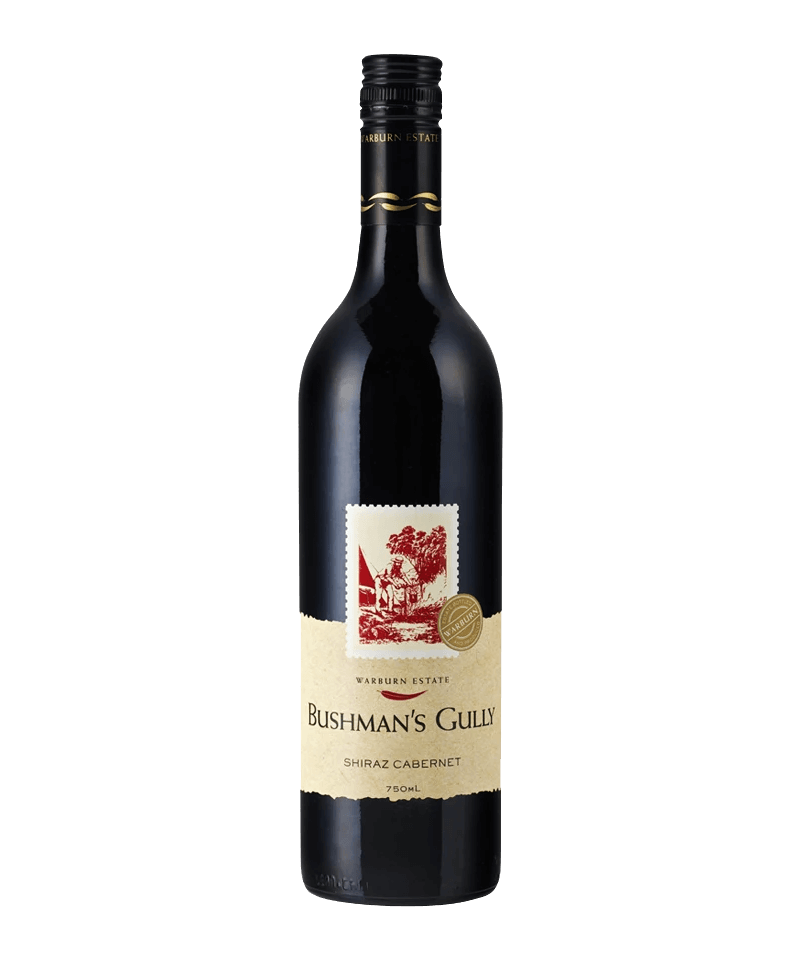
Although you don’t need a top-shelf bottle, the wine must be one you’d drink. A poor wine will concentrate poorly into a poor sauce. To make the right choice, it helps to understand different red wine styles and how each affects flavor and texture during reduction. One Reddit chef advises:
Recommended wine styles:
Dry, full or medium-full bodied reds (e.g., Cabernet Sauvignon, Merlot, Syrah/Shiraz, Burgundy wines)
Wines with good acidity (to balance meat fat) and sufficient tannin (for structure)
Avoid overly sweet dessert wines or wines with heavy flavour defects
Beef or veal stock (sometimes bone broth) is ideal
If using commercial stocks, ensure richness and sufficient seasoning
Common aromatics: shallots or onions, garlic, thyme, rosemary, bay leaf. Their role: layering aroma, adding flavour nuance. Including pan drippings or fond if you seared meat in the same pan adds another dimension.
Cold butter (beurre monté) for finishing to add smoothness and opacity
Some recipes use a light corn-starch or flour slurry if more body is needed, especially when using less stock.
Use a heavy-bottom saucepan or skillet with enough surface area to allow evaporation (wide base helps reduce faster). Good heat distribution helps prevent scorching of the reduction.
Here’s an updated method integrating theory and practice for a refined red wine jus.
If your dish involves meat (steak, roast beef), after searing remove meat, keep pan with juices/fond. These browned bits carry flavour.
Use the hot pan to build the jus. This connects sauce to meat directly.
Add a small amount of oil and/or butter; sauté shallots or onions over medium heat until translucent and lightly coloured (about 3-5 minutes).
Add garlic, bay leaf, thyme or rosemary, and sauté another ~30-60 seconds. The goal: sweat aromatics without burning; this builds base flavour.
Pour in the measured red wine (e.g., 200-300 ml depending on volume), turning up heat to bring to a gentle boil.
Using the wine to deglaze dissolves fond and begins reduction.
Simmer until the wine is reduced by around 50-60% (varies by recipe). This concentrates the wine’s flavour and removes much of the raw alcohol edge.
Pour in warmed beef (or chosen) stock. A higher stock to wine ratio (for body) is beneficial; many recommend equal or more stock to wine.
Return to simmer and reduce until sauce reaches the consistency to coat the back of a spoon. That often means reducing further by ~50% or more depending on starting volume.
Remove herbs, shallots, bay leaf if desired. Straining yields a smooth texture.
Return to low heat and whisk in a knob of cold unsalted butter (about 1-2 tbsp) to give a glossy finish and rounded mouthfeel.
Season with salt and freshly cracked pepper; taste and adjust.
Serve the jus just as the dish is plated; its shine, aroma and temperature are at peak.
If preparing ahead, keep warm (simmer lightly) or reheat gently. Some recipes note you can cook ahead and refrigerate/freeze.
After cooling, store in an airtight container in the fridge up to ~3 days, or freeze up to 3 months. Reheat gently on stove, whisking to recombine butter.
Practical Tips and Variations
Here are advanced tips to take your red wine jus from good to exceptional.
Use a wide-based pan: More surface area means faster evaporation and better control of reduction.
Monitor reduction: Over-reducing can cause bitterness and burnt flavour; under‐reducing means weak sauce.
Choose pan drippings wisely: If you cooked meat in the same pan, incorporate a tablespoon or two of fat/sucs into the sauce for deeper flavour.
Adjust body: If sauce feels thin, reduce further OR whisk in additional butter; if too thick, add a splash of hot stock.
Flavor layering: Consider small additions like a splash of brandy, a touch of tomato paste (for sweetness & colour), or even port in luxury versions.
Match to dish: The sauce must complement the main protein; lamb may benefit from rosemary/thyme infusions; game may need richer stock base; pork could use lighter stock.
Mind heat: High heat causes wine to burn and lose aroma; maintain gentle simmer.
Wine choice: Use a wine you like to drink, a good mid-priced dry red is ideal; you don’t need top shelf but definitely avoid the cheapest "cooking wine".
Even seasoned cooks can falter. Here are errors to watch:
Using very cheap or bad wine → Sauce inherits flaws.
Boiling too aggressively → Loss of nuanced aroma, bitterness.
Not reducing enough → Thin, watery sauce lacking body.
Over-reducing → Burns or becomes too syrupy, dominant.
Neglecting seasoning → Even excellent reduction needs salt and pepper.
Adding cold butter late or poorly → Butter may separate; add off-heat and whisk.
Making too early and reheating poorly → Butter may separate or sauce may lose potential. Make closer to service, or reheat gently.
The red wine jus is designed to enhance, not overshadow. Let’s look at serving ideas.
Beef steak (rib-eye, fillet, roast) → Serve jus alongside or lightly spooned on top.
Lamb (rack, chops) → The rosemary/thyme in the jus emphasizes gamey richness.
Game (venison, duck) → Use lighter red wine and stock base so jus supports without overpowering.
Vegetarian/vegan version → Use vegetable stock, reduce red wine with aromatics; still called “jus” though lighter. (Some versions exist)
Serve ~2–3 tablespoons per portion as standard; more if dish is very lean.
A gravy boat, or spoon at table side allows guest control.
Ensure jus is hot and freshly whisked for optimum sheen and texture.
A good rule: use the same wine in cooking as you serve for drinking, or a similarly styled one. This continuity reinforces flavour memory. You can also explore celebratory options like Champagne for lighter dishes or special occasions.
E.g., if you used a Cabernet Sauvignon in the jus, serve Cabernet or similar.
The sauce draws out flavour notes in the wine by echoing its characteristics.
By structuring the method as above (sear → aromatics → deglaze → stock → reduction → finish), you align with key culinary theory:
You extract maximum flavour from the meat (fond) via deglazing.
You build layers of aroma and savoury base via aromatics and herbs.
You concentrate and refine via reduction rather than brute thickening.
You finish for texture and sheen via butter mounting.
You integrate back to the main dish seamlessly.
This method avoids shortcuts (e.g., just mixing wine and stock and calling it a sauce), which often results in thin texture or raw wine flavour. Instead, it respects each step’s purpose and builds a jus that delivers elegance, depth, and balance.
In a home or restaurant setting, being able to prepare jus ahead is a practical advantage , provided quality is maintained.
Prepare the sauce, strain, cool rapidly, store in an airtight container.
Refrigerate up to 3 days, or freeze up to 3 months (as many authors note).
When reheating, gently warm over low heat, whisking in a bit of butter if the texture thins. Do not bring to a vigorous boil.
If frozen, defrost overnight in fridge, then reheat on stovetop.
Just before service, whisk again for best emulsion and sheen.
A well-executed red wine jus is the hallmark of refined cooking, it’s flavour-intense, glossy, versatile, and elevates your dish in a subtle but powerful way. To achieve it:
When you understand why each step matters, you’re no longer just following a recipe, you’re creating a sauce that respects ingredients, technique, and the final experience. And that’s what separates a good dinner from a memorable one.
So next time you serve a steak, roast or elegant dish, consider giving it the accompaniment it deserves: a red wine jus that whispers “professional kitchen” and invites you to savour every bite.
 Bidvino Customer Service