0
item(s)
View cart
You have no items in your shopping cart.
Choosing between Chianti Classico Gran Selezione and Amarone is a classic collector’s dilemma: do you prioritize Sangiovese’s finesse and food versatility or the opulence and depth of appassimento? This guide compares Marchesi Antinori’s Badia a Passignano Gran Selezione 2021 versus Zenato Amarone Classico 2018—two benchmarks from two of the best red wine regions in the world. If you’re building a wine cellar in Hong Kong, weighing investment, aging potential, and serving scenarios, this side-by-side will help you decide which dry red wine belongs in your wine HK lineup now—and which to hold. Both wines featured in this comparison are available through Bidvino's authenticated collection with verified provenance and Hong Kong storage.
| Feature | Marchesi Antinori Badia a Passignano Chianti Classico Gran Selezione DOCG 2021 | Zenato Amarone della Valpolicella DOCG Classico 2018 |
|---|---|---|
| Price (HKD) | 445 | 630 |
| Vintage | 2021 | 2018 |
| Region | Chianti Classico, Tuscany, Italy | Valpolicella Classica, Veneto, Italy |
| Grape Variety | Sangiovese (Gran Selezione) | Corvina-led blend (Corvina, Rondinella, etc.) |
| Critic Score | JS 94, Vinous 94 | Vinous 96 |
| Drinking Window | 2026–2035 | 2024–2038 |
| Best For | Food versatility; classic, elegant Tuscan expression | Full-bodied red wine for special occasions; meditative sipping |
Note: Prices are approximate in HKD. Verify current pricing with Bidvino.

Producer: Marchesi Antinori (Badia a Passignano)
Region: Chianti Classico, Tuscany, Italy
Vintage: 2021 (ripe, balanced, classical profile in Chianti Classico)
Grape Variety: Sangiovese
Alcohol: 14.5%
Critic Score: James Suckling 94, Vinous 94
Price: HKD 445
Drinking Window: 2026–2035
Available at: Our vintages change seasonally. Check what is in stock here.
Badia a Passignano is an Antinori estate centered on historic monastery vineyards in the heart of Chianti Classico. Antinori’s long stewardship of Sangiovese is evident here in precise vineyard work and meticulous selection that befit the Gran Selezione designation. The style emphasizes purity of fruit, fine-boned structure, and an authentic expression of the area’s galestro and alberese soils. For collectors in Hong Kong seeking quality wine with heritage and clarity of terroir, Badia a Passignano represents one of the benchmark Sangiovese bottlings at a still-accessible price point.
Chianti Classico 2021 delivered ripe yet classically proportioned Sangiovese. Warm days and diurnal swings produced vibrant fruit, good color, and refined tannins, avoiding excess alcohol or overripeness. The best wines, including this Gran Selezione, carry tension and detail—attributes that support both near-term drinkability and a decade of positive evolution. Expect the wine to broaden aromatically after 2–3 additional years in bottle while retaining fresh acidity.
Visual: Bright ruby with youthful purple edges; excellent clarity and moderate viscosity.
Nose: Ripe red fruit—liqueur cherries and sour cherries—layered with red orange zest, lavender and violets, plus subtle vanilla and cocoa tones.
Palate: Medium to full-bodied; mouth-filling yet poised. Silky, vibrant tannins frame red cherry, blood orange, and savory herbs. Acidity is lively, giving line and length.
Finish: Long and persistent with a sapid twist; lingering bitter cocoa and citrus peel.
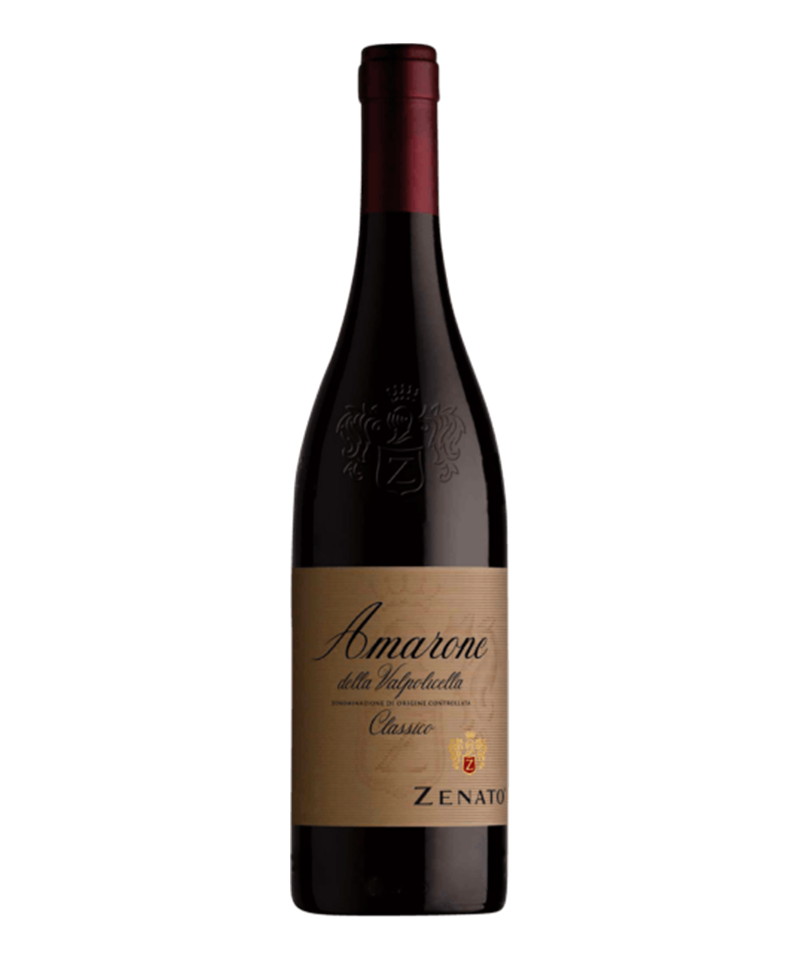
Producer: Zenato
Region: Valpolicella Classica, Veneto, Italy
Vintage: 2018 (ripe, balanced; strong quality across Valpolicella Classica)
Grape Variety: Corvina-led blend (Corvina, Rondinella, Oseleta, Croatina)
Alcohol: 13.5%
Critic Score: Vinous 96
Price: HKD 630
Drinking Window: 2024–2038
Available at: Our vintages change seasonally. Check what is in stock here.
Zenato is one of Valpolicella’s most reliable family producers, crafting Amarone from meticulously selected fruit in the Classica zone. The house style marries the traditional appassimento technique—partial drying of grapes to concentrate flavors—with careful oak aging to achieve rich texture and harmony. The result is a full-bodied red wine with depth, polish, and staying power. For collectors balancing wine picks between elegance and opulence, Zenato’s Amarone remains a benchmark that consistently overdelivers relative to many peers.
In 2018, stable ripening permitted careful drying and selection. The best Amarone wines show generous dark cherry and dried fruit without excess heat or volatility, upheld by a velvety tannin profile. Zenato’s 2018 Classico demonstrates that equilibrium, earning a standout Vinous 96. Expect evolving layers of bay leaf, dried cherry, and cocoa over the next decade-plus.
Visual: Deep ruby trending to garnet; dense core; pronounced legs.
Nose: Ethereal bay leaf, cherry and Marasca cherry, dried fruits, prune, and warm spice; hints of cocoa and dried flowers.
Palate: Full-bodied and enveloping; rounded, velvety texture with rich red and black fruit, chocolate, and sweet spice. Acidity is moderate; tannins are smooth and caressing.
Finish: Long, plush, and persistent; a luxurious, slow-unfolding close.
Chianti Classico 2021 is celebrated for ripe fruit aligned with fresh acidity, a “classic” structural profile, and detailed aromatics. Gran Selezione bottlings—especially from estates with rigorous selection—show depth without excess. Badia a Passignano 2021 captures that precision: pure red fruit, clarity, and energy that will unwind gracefully with short-to-mid-term cellaring.
Valpolicella Classica 2018 offered steady ripening and clean fruit for appassimento, yielding Amarone with generous fruit and fine-grained tannins. Zenato’s 2018, rated 96 by Vinous, demonstrates excellent balance between density and lift. It has the advantage of an extra three years in bottle and an inherently richer style that often impresses in tastings.
Edge: Zenato Amarone 2018 – higher third-party acclaim and immediate expressiveness from both vintage and style.
Badia a Passignano 2021 is a dry red wine built on Sangiovese’s red-cherry core, blood orange, floral lift, and savory nuance. It’s medium to full-bodied, with lively acidity and silky but present tannins. The wine feels architectural—precise lines, layered aromatics, and a sapid finish that begs for food.
Zenato Amarone 2018 is full-bodied, plush, and texturally enveloping, driven by dried cherry, dark chocolate, spice, and dried flowers. Acidity is moderate; tannins are smooth and integrated. It delivers an immersive, velvety mouthfeel and hedonistic richness that’s compelling without being overbearing.
Edge: Preference-driven – Badia for brightness and gastronomic finesse; Zenato for richness and texture.
Badia a Passignano 2021 should sail comfortably for a decade, developing tertiary notes of tobacco leaf, dried rose, and leather while retaining a firm acid line. Its window looks widest from 2027–2032, with structure and perfume in best balance.
Zenato Amarone 2018’s concentration, extract, and tannin sweetness suggest an equally long, possibly longer arc. Expect deepening spice, cocoa, and dried-fruit complexity through 2034–2038 as it gains bottle-bouquet and secondary savory tones.
Edge: Zenato Amarone 2018 – greater extract and appassimento density generally translate into longer, safer aging.
Gran Selezione occupies a premium niche within Chianti Classico, and Antinori’s reputation bolsters market confidence. At roughly HKD 445, Badia a Passignano offers strong price-to-prestige for a GS, with modest appreciation potential as the vintage gains critical momentum and matures in market.
Zenato Amarone Classico carries broad international recognition. High critical scores and consistent brand demand support stable pricing and gradual appreciation. Relative to elite Amarone peers, Zenato often delivers top-tier quality at a mid-upper price, a dynamic favored by Hong Kong wine buyers who shop wine online and track scores.
Edge: Zenato Amarone 2018 – stronger global recognition and score-driven demand support steadier value retention.
Badia a Passignano is a natural with Tuscan staples—bistecca, grilled lamb, pappardelle al ragù—as well as Asian cuisines. In Hong Kong, it shines with roast goose, char siu, soy-braised pork belly, and tomato-based pasta. Its acidity refreshes the palate and respects complex spice.
Zenato Amarone excels with rich, slow-cooked meats, dry-aged ribeye, braised beef cheeks, and aged cheeses. It’s a knockout with dark chocolate desserts. Less ideal for delicate seafood or lighter Cantonese dishes where its power can dominate.
Edge: Badia a Passignano 2021 – broader table flexibility from its acidity and structure.
At ~HKD 445 with 94/94 critic backing, Badia a Passignano is compelling value for a top-tier Chianti Classico designation and a savvy “quality wine” buy for wine HK enthusiasts.
Zenato Amarone at ~HKD 630 and Vinous 96 still represents strong value in the Amarone context, particularly for celebratory drinking or laying down for future occasions.
Edge: Badia a Passignano 2021 – lower price for high pedigree makes it a sharper value in the Hong Kong market.
Winner: Zenato Amarone 2018
Its plush texture, integrated tannins, and layered dried-fruit complexity make it ready to pour now with minimal aeration. If you’re hosting or want an impressive full bodied red wine without waiting, Zenato’s seamless mouthfeel and high score translate to instant gratification.
Winner: Zenato Amarone 2018
Amarone’s concentration and the 2018’s critical acclaim create a longer, steadier aging runway through the mid-2030s. For collectors targeting value retention, celebratory service years from now, or secondary-market interest, this vintage has the edge.
Winner: Badia a Passignano 2021
Gran Selezione at this price with 94-point validation is a standout “quality-to-price” proposition in Hong Kong wine retail. It satisfies both the “best red wine” everyday luxury brief and the “smart buy” mentality—especially if you’re stocking a wine cellar HK on a measured budget.
Winner: Zenato Amarone 2018
Amarone’s sensual texture, depth, and slow-unfolding finish make it a natural centerpiece. Whether pairing with braised short ribs or a cheese course, it feels celebratory and indulgent without requiring decades of cellaring.
Winner: Badia a Passignano 2021
Approachability, clear terroir expression, and food agility make it an easy addition for new collectors. It teaches structure, acidity, and balance—core traits of great red wine—while offering a reasonable path to explore aging for 5–10 years.
Zenato Amarone 2018. Its international following, 96-point pedigree, and style-driven demand typically support stable pricing and gradual appreciation. Badia a Passignano 2021 can appreciate from a lower base, but Amarone’s global recognition and celebratory utility offer a clearer investment path.
Both age well, but Amarone’s concentration generally pushes its curve longer. Expect Zenato 2018 to evolve through 2038. Badia a Passignano 2021 should deliver best from 2027–2032, with potential to 2035 depending on storage conditions and personal taste for tertiary notes.
Badia a Passignano is about Sangiovese finesse: red cherry, blood orange, floral lift, savory herbs, and a sapid finish. Zenato Amarone is richer: dried cherry, cocoa, warm spices, velvety tannins. Choose Chianti for brightness and gastronomy; choose Amarone for opulence and texture.
Badia a Passignano. Its acidity and structure suit a wide range—from Tuscan bistecca to Cantonese roast meats and tomato-based pastas. Amarone excels with hearty braises, grilled steaks, aged cheeses, and chocolate desserts, but can overwhelm delicate dishes.
Approximate Hong Kong pricing: Badia a Passignano 2021 at ~HKD 445 and Zenato Amarone 2018 at ~HKD 630. For “cheap wine Hong Kong” budgets, neither is bargain-basement, but Badia delivers elite Chianti GS value; Zenato offers top-tier Amarone at a fair tariff for the category.
If your cellar needs both a gastronomic Sangiovese and a luxuriant Amarone, buying both diversifies styles and occasions. If choosing one: prioritize Badia for weeknight-plus dinners and flexibility; choose Zenato for special occasions and long-term cellaring.
They represent two pillars: Chianti Classico (Tuscany) and Amarone della Valpolicella (Veneto). Each region offers distinct identities—Sangiovese’s terroir transparency versus appassimento-powered richness. For wine HK collectors, they’re complementary anchors in an Italian-focused red wine strategy.
Cellar both at 12–14°C with stable humidity. Serve Badia a Passignano at 16–18°C; Zenato at 17–18°C. Decant Badia 60 minutes when young; Zenato 60–90 minutes. Mind summer heat—proper storage is essential for condition and resale value.
These two icons reflect different strengths from two of the best red wine regions in the world. Badia a Passignano 2021 offers Sangiovese clarity, gastronomic versatility, and impressive value—a superb foundation wine for a Hong Kong cellar that sees frequent food pairings. Zenato Amarone 2018 brings depth, polish, and celebration-ready presence, backed by high scores and a longer aging arc.
If you prioritize immediate richness and special-occasion impact, choose Zenato Amarone. If you want a dry red wine that serves broadly at the table, showcases terroir, and offers a sharp price-to-quality ratio, choose Badia a Passignano. Many collectors will be happiest owning both: Badia for week-to-week elegance, Zenato for memorable nights and gifting.
Explore both wines at Bidvino with transparent HKD pricing, authentication guarantee, and expert guidance for Hong Kong collectors.
This comparison is based on vintage analysis, critic scores (Wine Advocate, Jancis Robinson, James Suckling, Vinous), producer technical sheets, auction data (Sotheby's, Christie's), and tasting analysis. Both wines verified through Bidvino's provenance standards.
Last Updated: January 2026
 Bidvino Customer Service