0
item(s)
View cart
You have no items in your shopping cart.
You’re choosing for a serious cellar—Bordeaux vs Barolo, Napa vs the Rhône. Provenance, storage, and drinking windows matter as much as flavor. Which regions align with your style and long-term plans? This curated selection features authenticated wines from Bidvino's red wines collection, each evaluated on vintage quality, provenance, and collector appeal.
Below you’ll find ten smart regional picks representing the best red wine regions in the world. Expect clear tasting guidance, realistic aging advice, and honest trade-offs—for drink-now pleasure and long-term investment value.
| Wine | Price (HKD) | Best For | Key Advantage | Rating |
|---|---|---|---|---|
| 2017 Delas Frères Côte‑Rôtie La Landonne – Editor's Choice ⭐ | HKD 1,595 (approx.) | Benchmark Rhône Syrah | Single‑site precision; Bidvino provenance | 97/100 |
| 2019 Continuum Proprietary Red | HKD 3,200–3,800 (approx.) | Napa collectors | Mountain fruit purity; long aging arc | 96/100 |
| 2021 Antinori Tignanello | HKD 1,500–2,100 (approx.) | Value retention | Proven brand equity in Asia | 95/100 |
| 2019 Prunotto Barolo Bussia | HKD 800–1,100 (approx.) | Long‑term cellaring | Classic site; firm yet refined tannins | 94/100 |
| 2018 Louis Latour Corton Grancey | HKD 1,800–2,500 (approx.) | Grand Cru Burgundy | Historic cuvée; layered complexity | 95/100 |
| 2021 Palacios Remondo Propiedad | HKD 500–700 (approx.) | Drink in 2–6 years | Silky Garnacha finesse | 93/100 |
| 2018 Torres Perpetual Priorat | HKD 800–1,100 (approx.) | Mineral intensity | Old‑vine Carignan-led precision | 94/100 |
| 2020 Torbreck RunRig | HKD 1,800–2,600 (approx.) | Powerful full‑bodied red | Barossa richness with aromatic lift | 96/100 |
| 2018 Trapiche SV Malbec “Finca Coletto” | HKD 600–900 (approx.) | Single‑vineyard Malbec | Altitude precision; dense fruit | 93/100 |
| 2016 Château Bernadotte Haut‑Médoc | HKD 300–450 (approx.) | Left Bank value | Fresh, classic claret profile | 91/100 |
Note: Prices are approximate in HKD and may vary. Verify current pricing with Bidvino.
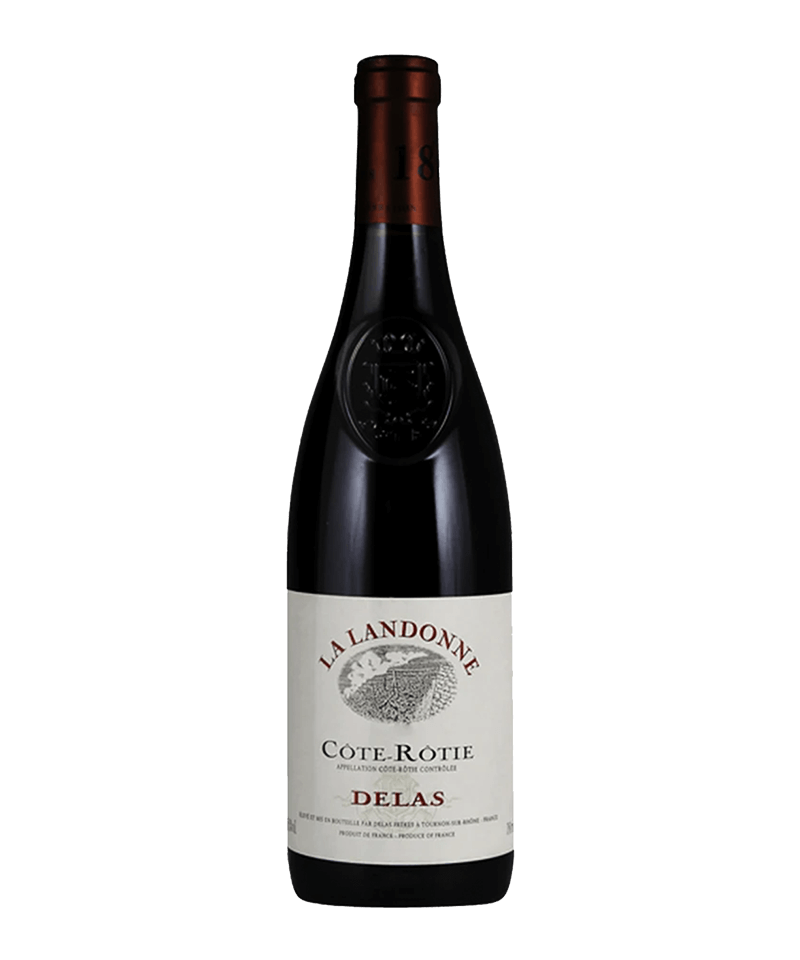
Best for: Rhône purists seeking single‑site Syrah of reference quality
Price: HKD 1,595 (approx.)
Region: Côte‑Rôtie, Northern Rhône, France
Grape Variety: Syrah
Vintage: 2017 (structured, fresh, site‑driven)
Critic Score: RP 95 / JS 94 / JD 97
Drinking Window: 2026–2040
Category: Red Wines
Available through: Bidvino's authenticated collection
Available at: Our vintages change seasonally. Check what is in stock here.
La Landonne is a benchmark parcel on schist with vertiginous slopes, giving Syrah its most detailed, savory expression. In 2017, Delas captured violet and tapenade aromatics with graphite‑lined fruit and finely stacked tannins. The wine balances power with line—dense yet vertical, never heavy. Cellared correctly, it will evolve into smoked meat, black olive, and espresso complexity with superb length. Verified provenance matters here: stored in Bidvino’s temperature‑controlled Hong Kong facility with complete documentation, it offers confidence for long cellaring and collection value in Asia’s mature Rhône market.
Visual: Opaque ruby‑black; purple rim.
Nose: Crushed violets, black olive, blackberry, smoldering graphite.
Palate: Compact black fruit, savory tapenade, mineral drive; firm but polished tannins.
Finish: Very long, pepper‑flecked, saline echo.
Serious collectors who prioritize terroir transparency, own stable HK storage (or use professional facilities), and plan a 10–15 year horizon. Also ideal if you enjoy savory, peppery profiles over sweet oak. Not the best fit if you prefer plush, fruit‑forward reds for casual weeknight drinking.
Final Rating: 97/100
Bottom Line: A definitive Côte‑Rôtie with rock‑solid provenance—precise, age‑worthy, and region‑defining.

Best for: Collectors who love structured, age‑worthy Napa blends
Price: HKD 3,200–3,800 (approx.)
Region: Napa Valley (Pritchard Hill)
Grape Variety: Cabernet Sauvignon‑led Bordeaux blend
Vintage: 2019 (balanced, classical Napa)
Critic Score: High‑90s across major critics (vintage benchmark)
Drinking Window: 2026–2040
Category: Red Wines
Availability: This vintage has sold through. Explore similar wines in Bidvino's red wines collection.
Continuum epitomizes mountain Napa: fine‑grained tannins, graphite minerality, and blue‑black cassis depth. 2019 shines with precision and restraint—ripe fruit without excess alcohol, savory cedar and pencil shavings, and a long, cool finish. Compared with #1’s Rhône pepper, this delivers glossy fruit purity and regal structure. In Asia, Continuum’s prestige and limited production support value retention for cellars focused on top U.S. reds.
Visual: Deep garnet.
Nose: Cassis, violet, cedar, pencil lead.
Palate: Plush entry; focused core; mineral backbone.
Finish: Persistent, savory, fine chalk.
Napa‑curious Bordeaux lovers, collectors building a U.S. vertical, and investors seeking well‑traded icons. Not ideal if you prefer light‑bodied reds or immediate drinkability.
Final Rating: 96/100
Bottom Line: A polished, age‑worthy Napa statement wine with strong collector appeal.

Best for: Value‑retentive blue‑chip Tuscany
Price: HKD 1,500–2,100 (approx.)
Region: Toscana IGT
Grape Variety: Sangiovese with Cabernet
Vintage: 2021 (ripe yet vibrant)
Critic Score: Mid‑to‑high 90s typical for the vintage
Drinking Window: 2026–2038
Category: Red Wines
Availability: This vintage has sold through. Explore similar wines in Bidvino's red wines collection.
Tignanello is the North Star for modern Tuscan reds: Sangiovese energy, Cabernet structure, and poised oak integration. The 2021 shows red cherry purity, cedar spice, and graphite with a supple mid‑palate. It outperforms many peers for value retention in Hong Kong’s market thanks to Antinori’s global cachet and consistent quality.
Visual: Bright ruby.
Nose: Red cherry, cedar, tobacco, graphite.
Palate: Silky fruit; fine tannins; mineral line.
Finish: Lithe, savory, persistent.
Collectors wanting an Italian anchor with strong recognition and dependable quality. Less ideal if you chase ultra‑traditional, long‑macerated Tuscan styles.
Final Rating: 95/100
Bottom Line: A reliable, elegant Tuscany icon with enduring appeal.

Best for: Long‑term Italian cellars
Price: HKD 800–1,100 (approx.)
Region: Barolo DOCG, Piedmont
Grape Variety: Nebbiolo
Vintage: 2019 (structured, elegant)
Critic Score: Low‑to‑mid 90s typical
Drinking Window: 2027–2042
Category: Red Wines
Availability: This vintage has sold through. Explore similar wines in Bidvino's red wines collection.
Bussia brings poise and grip: rose, tar, and red cherry over chalky tannins. 2019 is a beautifully classical year, delivering clarity of fruit and firm structure. Compared to #3’s polished Tuscan blend, this is more linear and tannin‑driven—better suited to slow evolution and truffle‑season pairings.
Visual: Pale ruby with orange rim.
Nose: Rose petal, cherry, anise, tar.
Palate: Red fruit core; fine, sinewy tannins.
Finish: Long, mineral, savory.
Traditionalists who love tannin architecture and slow‑unfolding tertiary complexity. Skip if you need soft, immediate drinkers.
Final Rating: 94/100
Bottom Line: A poised, age‑worthy Barolo delivering regional typicity and value.

Best for: Burgundy aficionados seeking layered depth
Price: HKD 1,800–2,500 (approx.)
Region: Côte de Beaune, Burgundy
Grape Variety: Pinot Noir
Vintage: 2018 (ripe, structured)
Critic Score: Mid‑90s typical
Drinking Window: 2026–2038
Category: Red Wines
Availability: This vintage has sold through. Explore similar wines in Bidvino's red wines collection.
A historic Grand Cru cuvée marrying Corton’s darker fruit with savory spice and earth. 2018’s density is managed by Latour’s classical élevage, yielding a wine that benefits from patience. Compared with #4’s Barolo, this shows silkier tannins and more red‑fruit charm, yet remains serious and age‑worthy.
Visual: Deep ruby.
Nose: Black cherry, rose, sous‑bois, clove.
Palate: Supple entry; layered spice; fine lattice tannins.
Finish: Long, saline, subtly smoky.
Pinot lovers who appreciate detail and patience more than immediate flash. Less ideal if you prioritize bold, oak‑driven profiles.
Final Rating: 95/100
Bottom Line: A stately Burgundy with depth, polish, and long glide path.
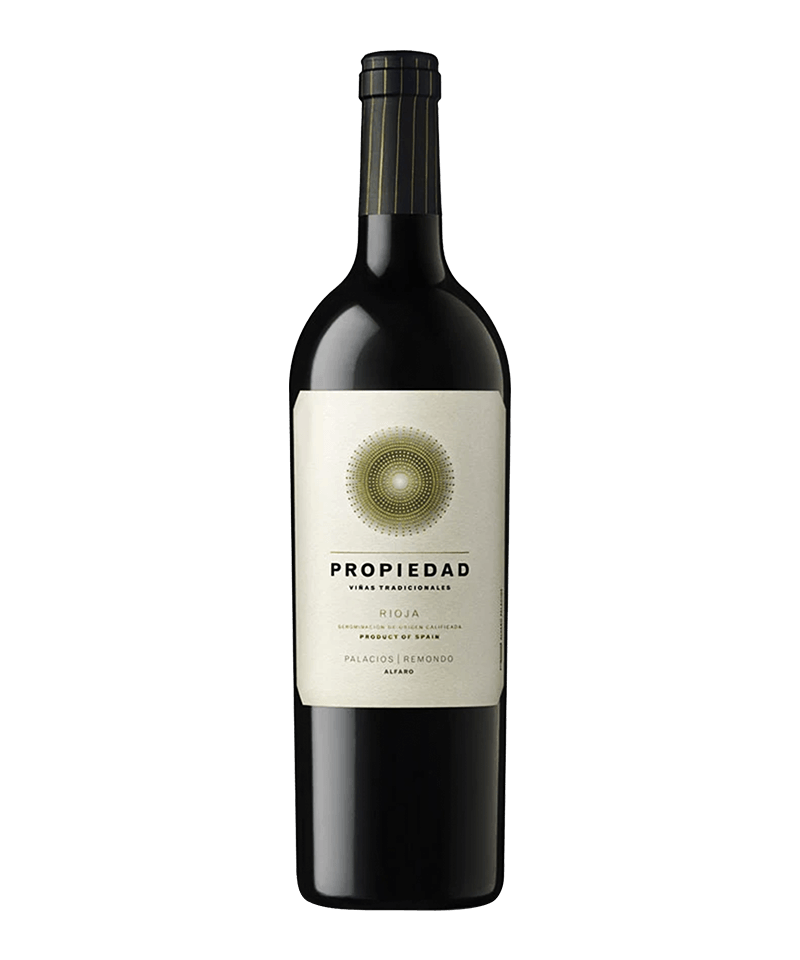
Best for: Perfumed, medium‑bodied reds now to mid‑term
Price: HKD 500–700 (approx.)
Region: Rioja Oriental
Grape Variety: Garnacha
Vintage: 2021 (fresh, aromatic)
Critic Score: Low‑to‑mid 90s typical
Drinking Window: 2024–2030
Category: Red Wines
Availability: This wine has sold out from current stock. Browse Bidvino's Spanish collection for similar Rioja selections.
From Álvaro Palacios’ family estate, Propiedad expresses Rioja’s lighter, silkier side: red berries, rose, and fine spice. It’s a superb “drink while the big guns sleep” bottle—supple and complex without demanding long cellaring. Against #8’s Barossa power, this is all finesse.
Visual: Translucent ruby.
Nose: Wild strawberry, rose, white pepper.
Palate: Silky red fruit; savory mineral edge.
Finish: Fresh, lifted, persistent perfume.
Collectors who value finesse and fragrance, or anyone balancing a cellar dominated by full‑bodied reds. Less suited to big‑oak palates.
Final Rating: 93/100
Bottom Line: A graceful Rioja Garnacha that overdelivers on drinkability and charm.

Best for: Mineral, old‑vine intensity lovers
Price: HKD 800–1,100 (approx.)
Region: Priorat DOCa
Grape Variety: Carignan & Garnacha
Vintage: 2018 (fresh, structured)
Critic Score: Low‑to‑mid 90s typical
Drinking Window: 2026–2036
Category: Red Wines
Availability: This vintage has sold through. Explore similar selections in Bidvino's Spanish collection.
Llicorella slate gives Priorat its unmistakable dark‑mineral identity. Perpetual harnesses that with old‑vine concentration and cool 2018 freshness: blackberry, licorice, and crushed rock with driven acidity. It’s a superb contrast to #5’s Burgundian silk—more brawn, equal precision.
Visual: Dense ruby‑purple.
Nose: Blackberry, licorice, graphite, cocoa.
Palate: Concentrated black fruit; taut acidity.
Finish: Long, stony, savory.
Collectors who crave mineral‑driven power and old‑vine concentration. Skip if you gravitate to light, perfumed reds exclusively.
Final Rating: 94/100
Bottom Line: A precise, slate‑etched Priorat with impressive drive and aging potential.

Best for: Full‑bodied red seekers wanting polish and perfume
Price: HKD 1,800–2,600 (approx.)
Region: Barossa Valley, Australia
Grape Variety: Shiraz with Viognier
Vintage: 2020 (concentrated, aromatic)
Critic Score: Mid‑to‑high 90s typical
Drinking Window: 2026–2038
Category: Red Wines
Availability: This vintage has sold through. Explore similar wines in Bidvino's Australian collection.
RunRig marries Barossa density with aromatic lift: dark plum, blueberry, and Asian spice framed by fine tannins. The style offers plushness without fatigue—impressive impact yet lively. Versus #1’s savory Syrah, this is plusher and more fruit‑forward while remaining cellar‑worthy.
Visual: Inky purple.
Nose: Dark fruits, star anise, cocoa, violet.
Palate: Silky density; polished tannins.
Finish: Long, spiced, gently floral.
Full‑bodied red fans who still want aromatic lift and polish. Less ideal if you only drink restrained Old World styles.
Final Rating: 96/100
Bottom Line: A modern Barossa benchmark that remains cellar‑friendly and crowd‑pleasing.

Best for: Single‑vineyard New World value with pedigree
Price: HKD 600–900 (approx.)
Region: Mendoza, Argentina
Grape Variety: Malbec
Vintage: 2018 (balanced, concentrated)
Critic Score: Low‑to‑mid 90s typical
Drinking Window: 2024–2032
Category: Red Wines
Availability: This vintage has sold through. Explore similar wines in Bidvino's Argentina collection.
Trapiche’s SV series is a blueprint for site specificity in Mendoza. Finca Coletto shows dark plum and blackberry with violet lift and a cool‑soil mineral thread. Tannins are firm yet polished, giving flexibility for steak nights or mid‑term aging. It’s a smart Mendoza counterpoint to #2’s Napa profile at a friendlier price.
Visual: Dark purple.
Nose: Black fruit, violet, graphite.
Palate: Concentrated fruit; fine‑grained tannins.
Finish: Savory, mineral, persistent.
New World collectors wanting terroir clarity without paying Napa premiums. Not ideal if you avoid rich fruit profiles.
Final Rating: 93/100
Bottom Line: A focused, pedigreed Malbec that punches above its price tier.

Best for: Affordable Bordeaux to anchor a regional set
Price: HKD 300–450 (approx.)
Region: Haut‑Médoc, Bordeaux
Grape Variety: Cabernet Sauvignon blend
Vintage: 2016 (excellent Left Bank year)
Critic Score: 90–92 typical
Drinking Window: 2023–2030
Category: Red Wines
Availability: This vintage has sold through. Explore similar wines in Bidvino's French wine selection.
Classic cedar, cassis, and graphite in an approachable, well‑priced claret. The 2016 vintage brings exceptional balance and length, making this a perfect benchmark for Bordeaux within a “best red wine regions in the world” line‑up. It’s also a versatile dinner wine for HK cellars.
Visual: Deep garnet.
Nose: Cassis, cedar, graphite, bay leaf.
Palate: Medium‑plus body; fresh acids; fine gravelly tannins.
Finish: Clean, savory, persistent.
Collectors wanting authentic Bordeaux without the first‑growth price tag. Not ideal if you prefer modern, fruit‑forward claret with glossy oak.
Final Rating: 91/100
Bottom Line: A textbook Haut‑Médoc delivering real regional character and value.
Choosing across the best red wine regions in the world comes down to budget, style, cellaring plans, and provenance. For authenticated options, Bidvino’s red wines collection is a strong starting point.
Set a regional budget in HKD that fits your goals. Smart tiers: HKD 300–600 (weekday claret, Rioja Crianza), HKD 600–1,200 (Barolo, Priorat, top Malbec), HKD 1,200–2,500 (Grand Cru Burgundy, Super Tuscans, Barossa icons), HKD 2,500+ (blue‑chip Napa). Compare price to documented provenance, storage, and critic consensus—not just label prestige. Premium bottles deserve insurance and professional storage; factor those costs in for a realistic, long‑term plan.
Our Advice: Diversify: one Bordeaux, one Burgundy, one Mediterranean (Tuscany/Priorat), one New World (Napa/Barossa) within your budget.
Assess vintage style: classic years (Barolo 2019, Bordeaux 2016) offer structure and longevity; warmer seasons (Burgundy 2018) bring richness. Use drinking windows to map out cellar cadence—early drinkers (Rioja Garnacha, Haut‑Médoc values) cover near‑term, while Barolo, Napa, or Côte‑Rôtie anchor the long game.
Our Advice: Build a staggered ladder: 2–3 bottles drink now, 3–5 bottles mid‑term, 3–5 bottles long‑term for seamless rotation.
For collectable reds, provenance isn’t optional. Confirm purchase history, transport conditions, and storage records. Look for temperature‑controlled storage in Hong Kong and seals or documentation that track custody. Platforms like Bidvino emphasize authentication and temperature‑controlled storage—critical for investment‑grade Rhône, Burgundy, and Napa. Use category hubs such as France or fine wines to browse curated, documented selections.
Our Advice: Record bottle IDs and invoices; inspect cork/labels on receipt; photograph capsules for insurance and re‑sale readiness.
Wines with strong secondary‑market histories—Tignanello, classic Barolo crus, benchmark Côte‑Rôtie, and top Napa—tend to hold value. Scarcity, critic track record, and estate reputation drive demand in HK/Asia. Avoid speculative spikes; focus on producers with consistent multi‑year performance. Diversify across regions and vintages to hedge trends.
Our Advice: Track auction results and professional storage receipts; re‑value your cellar annually.
Hong Kong’s climate demands professional conditions: 12–14°C, 60–70% humidity, minimal vibration. Budget HKD 30–60 per bottle per year for storage depending on provider, plus insurance based on replacement value. Large formats need more space but offer slower, elegant aging.
Our Advice: Assign a “care cost” to each bottle (storage + insurance) when comparing regions and vintages.
Bordeaux (Left Bank) gives cassis, cedar, and graphite—great with roast beef. Burgundy offers red fruit and sous‑bois—ideal with duck or mushroom dishes. Barolo shows rose, tar, and firm tannins—pair with truffle pasta. Priorat delivers slate‑driven power—think lamb. Napa excels with polished cassis; Barossa with spice‑laden richness. Rioja (Garnacha) brings perfume and versatility—roast chicken to tuna.
Our Advice: Curate by cuisine: align your home cooking or favorite restaurants in HK with regional styles for higher drinking satisfaction.
Begin with Bordeaux (like a solid Haut‑Médoc) and Tuscany (Tignanello or a Chianti Classico Gran Selezione). You get clear regional character, reasonable pricing, and dependable critic coverage—perfect anchors while you explore Burgundy finesse and Rhône intensity.
For a balanced 6‑bottle set: HKD 3,000–5,000 covers classic styles; HKD 6,000–10,000 adds Burgundy/Barolo; HKD 12,000+ brings Napa/Rhône icons. Allocate 10–15% for storage and insurance annually if you plan to age bottles.
Our Editor’s Choice (Côte‑Rôtie La Landonne), Tignanello, Barolo Bussia, and Continuum show durable demand and solid critic histories. Confirm provenance, use professional storage, and track market data before buying for investment.
Ask for purchase history, shipping records, and storage documentation. Prefer temperature‑controlled storage in Hong Kong and tamper‑evident seals. Trusted platforms with authentication standards and climate control significantly reduce risk.
No. Burgundy and top Rhône/Napa see stronger volatility and peaks; Bordeaux and Tuscany often show steadier curves. Balance your cellar across regions to manage risk and maintain drinking diversity.
Barolo (e.g., Bussia) typically needs more time due to firm tannins—think 10–15+ years. Grand Cru Burgundy can also age long but often shows charm earlier, with silkier tannins and evolving sous‑bois complexity.
Use professional storage at 12–14°C, 60–70% humidity, darkness, and minimal vibration. If storing at home, invest in a quality wine fridge and monitor temperature stability. Insure bottles against transit and storage risks.
Early‑drinking: Rioja Propiedad (now–2028), Haut‑Médoc (now–2029). Mid‑term: Priorat, Malbec SV (2026–2032). Long‑term: La Landonne, Barolo Bussia, Continuum (2026–2040). Always taste and adjust based on your preferred maturity.
Bordeaux with roast beef or duck; Burgundy with game birds and mushrooms; Barolo with truffles and braises; Priorat with lamb; Napa with ribeye; Barossa with barbecue; Rioja with roast chicken or tuna; Malbec with steak.
Most fine reds show best at 16–18°C. Decant 30–60 minutes for mid‑weight wines; 90–120 minutes for young Barolo, Priorat, or Barossa. Use large‑bowl stems for aromatic expansion and tannin softening.
We compare flagship bottles across the best red wine regions in the world, balancing terroir typicity, vintage performance, and real‑world collector demand in Hong Kong/Asia. Each listing includes clear use cases, honest trade‑offs, and realistic drinking windows based on style and structure.
All wines featured are from Bidvino, a Hong Kong‑based platform known for rigorous provenance verification and temperature‑controlled storage. Each wine is evaluated objectively on vintage quality, terroir expression, documented provenance, and collector appeal to help you make informed purchasing decisions.
This roundup includes independent reviews of wines from Bidvino’s authenticated collection. Rankings reflect vintage quality, terroir clarity, provenance, and collector appeal. Availability changes seasonally.
Affiliate Disclosure: When you purchase via Bidvino links, we may earn a commission at no additional cost to you. Recommendations remain objective. Pricing Note: HKD prices are approximate—confirm current pricing and stock with Bidvino.
If you value savory complexity and longevity, anchor on Rhône (La Landonne) and Barolo (Bussia). Prefer polish and immediate prestige? Add Napa (Continuum) and Tuscany (Tignanello). For full‑bodied power, Barossa (RunRig) and Priorat (Perpetual) bring drama. Round out drink‑now pleasure with Rioja and Left Bank value, then add a focused Mendoza single‑vineyard Malbec for diversity.
Collect with intent: balance drinking windows, document provenance, and budget for storage. Explore Bidvino’s complete red wines collection for authenticated bottles with transparent HKD pricing and temperature‑controlled Hong Kong storage.
This comparison draws on vintage analysis, critic publications (Wine Advocate, Jancis Robinson, James Suckling), producer technical sheets, major auction house data (Sotheby’s, Christie’s), and Hong Kong/Asia market insights on storage, provenance, and demand.
Last Updated: January 2026
 Bidvino Customer Service