0
item(s)
View cart
You have no items in your shopping cart.
You want the best red wine for your cellar—bottles that thrill today, appreciate sensibly, and arrive with rock-solid provenance. The challenge? Global demand, variable storage histories, and shifting critic sentiment can turn a sure thing into a shrug. This curated selection features authenticated wines from Bidvino's red wines collection, each evaluated on vintage quality, provenance, and collector appeal. Consider which styles fit your line-up, how they’ll evolve in Hong Kong’s climate, and whether you’ll open them within five years—or keep them for two decades.
Below you’ll find an editor-ranked list of eight standout reds, a quick buyer framework, and answers to questions collectors ask me most. Expect honest trade-offs, realistic investment context, and clear drinking windows so you can buy with confidence.
| Wine | Price (HKD) | Best For | Key Advantage | Rating |
|---|---|---|---|---|
| Marchesi Antinori Tignanello 2022 – Editor’s Choice ⭐ | 1,580 (approx.) | All-round flagship for serious cellars | Elite Super Tuscan; provenance via Bidvino | 97/100 |
| Louis Latour Corton-Grancey 2018 | 1,420 (approx.) | Value retention, Burgundy collectors | Grand Cru depth and pedigree | 96/100 |
| Delas Frères Hermitage Les Bessards 2019 | 1,490 (approx.) | Northern Rhône purists | Granite terroir intensity, classic Hermitage | 96/100 |
| Torbreck RunRig 2020 | 2,070 (approx.) | Investment-minded, bold palates | Barossa benchmark with 97-pt acclaim | 96/100 |
| Sine Qua Non “Distenta III” 2021 | 2,800 (approx.) | Cult California hunters | 99-point aura; minuscule allocations | 98/100 |
| La Gravette de Certan 2016 | 995 (approx.) | Drink-now Bordeaux with pedigree | Right Bank elegance in a superb vintage | 94/100 |
| Prunotto Barolo Bussia 2019 | 640 (approx.) | Long-horizon Piemonte cellars | Single-site Nebbiolo structure | 94/100 |
| Alvaro Palacios ‘La Baixada’ 2019 | 1,770 (approx.) | Spanish fine-wine enthusiasts | 96-pt Priorat intensity and polish | 96/100 |
Note: Prices are approximate in HKD and may vary. Verify current pricing with Bidvino.

Best for: Collectors seeking a blue-chip, versatile flagship with strong long-term prospects
Price: HKD 1,580 (approx.)
Region: Toscana IGT, Tuscany, Italy
Grape Variety: Sangiovese with Cabernet Sauvignon & Cabernet Franc
Vintage: 2022 (ripe, balanced, fine-grained tannins)
Critic Score: 98
Drinking Window: 2026–2045
Category: Red Wines
Available through: Bidvino's authenticated collection
Available at: Our vintages change seasonally. Check what is in stock here.
Tignanello sits at the sweet spot of “best red wine in the world” conversations: iconic yet accessible, collectable yet genuinely drinkable. The 2022 delivers crystalline Sangiovese purity—black cherry, blood orange zest, cedar—wrapped in polished Cabernet structure and salinity from fossil-rich soils. It’s authoritative rather than heavy, with poised acidity and superb oak integration. Secondary complexity—tobacco leaf, graphite—will emerge by year five. This is the bottle you can pour for clients or lay down for your children. Verified provenance matters in Asia’s active market; this lot is stored in Bidvino’s temperature-controlled Hong Kong facility with complete documentation, giving you confidence in both pleasure and resale prospects.
Visual: Deep ruby with garnet reflexes, excellent clarity.
Nose: Black cherry, violet, sweet spices, cedar, sanguine mineral hints.
Palate: Medium+ body; ripe cherry-plum core, savory herbs, fine-grained tannins, vibrant acidity.
Finish: Long, precise, echoing balsamic and graphite.
Seasoned collectors building a core of globally recognized reds; budgets comfortable around HKD 1,500+ per bottle; planning to drink 2026–2045. It’s less ideal if you want under-HKD 300 daily reds or ultra-delicate low-alcohol styles—look to Piedmont or Burgundy village-level instead.
Final Rating: 97/100
Bottom Line: A modern classic with impeccable balance and documentation—serious pedigree now, thoughtful investment in the long run.

Best for: Burgundy collectors prioritizing longevity and provenance
Price: HKD 1,420 (approx.)
Region: Corton Grand Cru, Burgundy, France
Grape Variety: Pinot Noir
Vintage: 2018
Critic Score: 96
Drinking Window: 2026–2040
Category: Red Wines
Available at: Our vintages change seasonally. Check what is in stock here.
Corton-Grancey is a reliable gateway into Burgundy Grand Cru. The 2018 marries ripe, sun-kissed fruit with the appellation’s muscular backbone and mineral line. Expect red-black cherry, sous-bois, and a touch of iron—a classic Corton signature—supported by finely tuned oak. Compared with our #1, this is more about terroir transparency than mid-palate power. It’s a smart buy for collectors who want a tangible step up from Premier Cru without jumping to the stratosphere of Chambertin prices. Properly cellared, it will shed youthful firmness and gain aromatic complexity over 10–15 years.
Visual: Medium ruby, youthful rim.
Nose: Cherry, raspberry compote, forest floor, iron filings.
Palate: Medium body; lifted acidity, sinewy tannins, savory mineral drive.
Finish: Persistent, with spice and earth.
Burgundy devotees aiming for terroir definition and long-term nuance; mid-to-advanced collectors with patience and proper storage. Less ideal if you’re chasing flamboyant, high-octane reds for immediate pouring.
Final Rating: 96/100
Bottom Line: A confident Grand Cru buy that rewards patience with layered, mineral elegance.
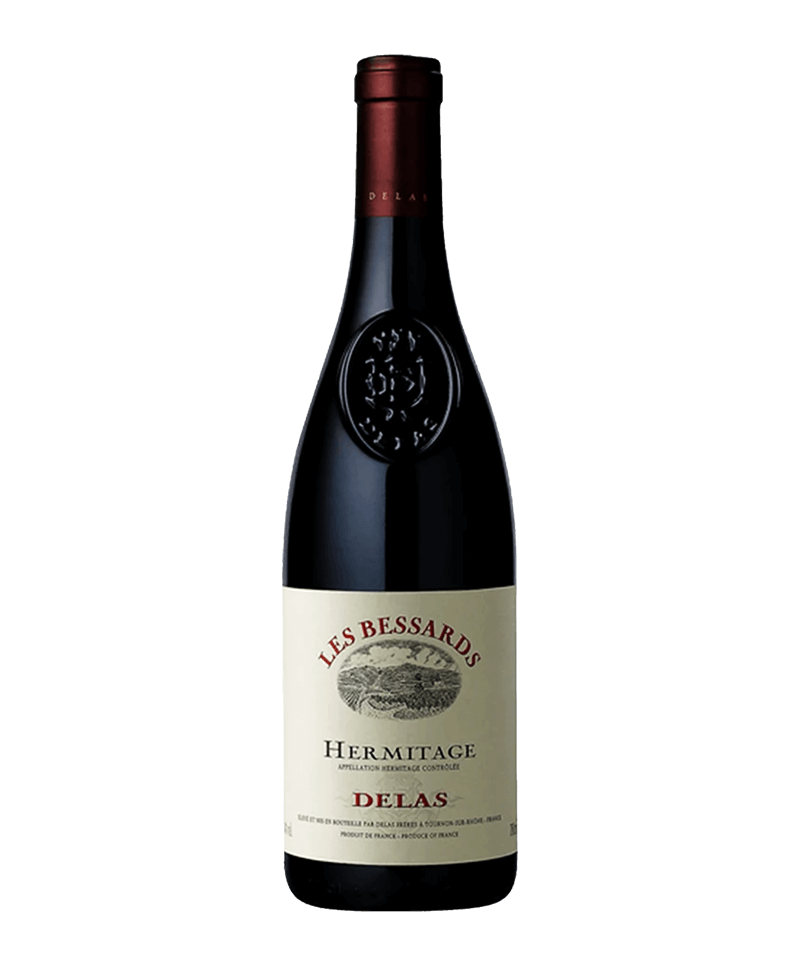
Best for: Northern Rhône purists who prize savory depth and ageability
Price: HKD 1,490 (approx.)
Region: Hermitage, Rhône Valley, France
Grape Variety: Syrah
Vintage: 2019
Critic Score: —
Drinking Window: 2027–2042
Category: Red Wines
Available at: Our vintages change seasonally. Check what is in stock here.
From granite-rich Bessards, this Hermitage channels black olive, tapenade, violets, and smoked pepper into a tightly coiled core. 2019 is concentrated yet fresh, with polished tannins and a graphite spine. If you love the savory, age-worthy side of Syrah, this belongs in your lineup. Compared with the opulence of RunRig (#4), Bessards is more linear and mineral—an intellectual counterpart that blossoms slowly and rewards long patience.
Visual: Opaque ruby-purple.
Nose: Crushed blackberry, violets, bacon fat, black pepper, graphite.
Palate: Full yet taut; saline lift, sculpted tannins, savory density.
Finish: Long, peppery, mineral-salted.
Collectors who favor savory Syrah and enjoy tracking evolution over decades. If you want immediate, fruit-sweet generosity, look to RunRig or Right Bank Bordeaux in this list.
Final Rating: 96/100
Bottom Line: A sculpted, site-driven Hermitage that trades on precision more than power.

Best for: Statement bottles, generous pouring, investment-minded drinkers
Price: HKD 2,070 (approx.)
Region: Barossa Valley, Australia
Grape Variety: Shiraz (with Viognier lift)
Vintage: 2020
Critic Score: 97
Drinking Window: 2026–2040
Category: Red Wines
Available at: Our vintages change seasonally. Check what is in stock here.
RunRig shows the lush, blue-fruited side of top Shiraz while retaining Barossa’s trademark spice. 2020 layers crème de mûre, star anise, and cocoa nib over supple tannins and well-judged oak. It’s expressive earlier than Hermitage (#3) and has a clear track record on international markets. If you pour for an audience that equates “best red wine” with hedonistic pleasure and a long, chocolate-inflected finish, this is your move.
Visual: Inky purple core.
Nose: Blueberry liqueur, violet, mocha, five-spice.
Palate: Full-bodied; plush fruit, velvety tannins, sweet spices.
Finish: Long, cocoa-dusted, with black fruit persistence.
Collectors who love opulent, high-scoring reds that also perform at auction. Less ideal for Burgundy minimalists seeking featherweight finesse.
Final Rating: 96/100
Bottom Line: A glamorous, cellar-worthy Barossa benchmark with proven collector appeal.
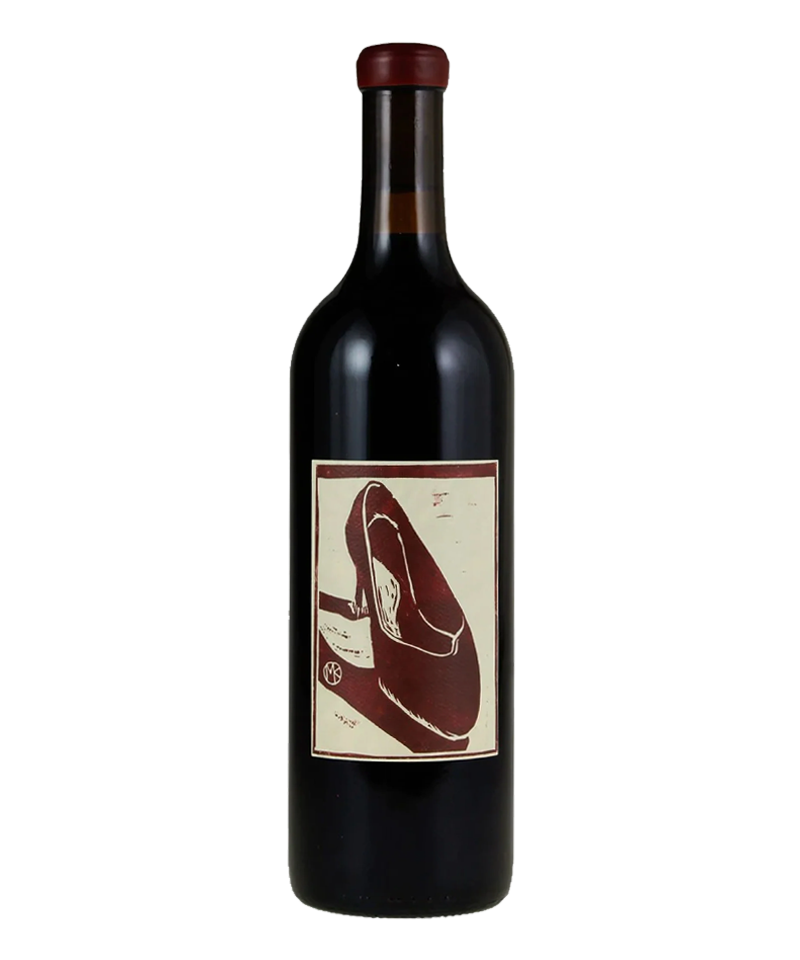
Best for: Cult-wine hunters and US fine-wine specialists
Price: HKD 2,800 (approx.)
Region: Napa Valley, United States
Grape Variety: Syrah
Vintage: 2021
Critic Score: 99
Drinking Window: 2026–2040
Category: Red Wines
Available at: Our vintages change seasonally. Check what is in stock here.
Few reds ignite global chatter like Sine Qua Non. “Distenta III” 2021 is perfumed and powerful—blackberry pastille, lavender, smoked meat—yet surprisingly poised. Allocations in Asia are thin; documented provenance keeps liquidity strong for collectors. In contrast to RunRig’s chocolatey richness, SQN offers a floral, high-definition profile with meticulous tannin polish and a thrilling, spice-charged finish.
Visual: Dense purple.
Nose: Blackberry, lavender, cured meat, baking spice.
Palate: Full-bodied, layered; fine, talc-like tannins; vibrant spice.
Finish: Very long, perfumed, energetic.
Collectors comfortable at HKD 2,500+ per bottle who track cult US releases and want a crescendo bottle for the top shelf. If you want “best red wine” under HKD 1,000, look elsewhere in this list.
Final Rating: 98/100
Bottom Line: A head-turning, meticulously built Syrah that justifies its reputation and price.
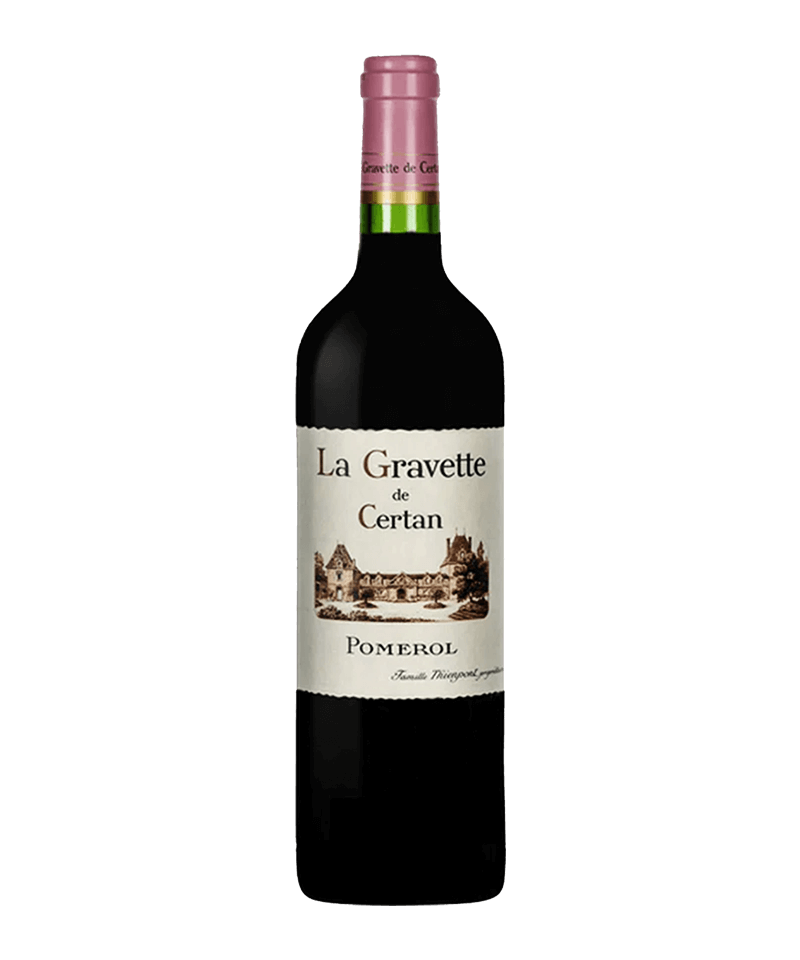
Best for: Bordeaux lovers seeking drink-now elegance with pedigree
Price: HKD 995 (approx.)
Region: Pomerol (Second wine of VCC), Bordeaux, France
Grape Variety: Merlot-dominant Bordeaux blend
Vintage: 2016
Critic Score: 95
Drinking Window: 2024–2032
Category: Red Wines
Available at: Our vintages change seasonally. Check what is in stock here.
The 2016 Left/Right Bank set produced many beauties; this bottle is among the most graceful drinkers today. Silky plum, rose, truffle, and sandalwood glide over fine tannins with that Pomerol creaminess collectors adore. As a second wine, it’s attractively priced relative to the grand vin and gives you immediate satisfaction while your top-tier Pomerol slumbers. Compared with Tignanello, expect softer edges and earlier approachability.
Visual: Deep ruby.
Nose: Plum, cocoa, rose petal, gentle spice.
Palate: Medium+ body; plush texture, integrated oak, sleek tannins.
Finish: Silky, persistent with truffle and cocoa.
Collectors who want polished, classic Bordeaux for the near term; less fitting if you’re assembling only long-hold investments or crave ultra-concentrated power.
Final Rating: 94/100
Bottom Line: Refined Pomerol pleasure with just enough structure to keep things serious.

Best for: Nebbiolo fans building long-horizon cellars
Price: HKD 640 (approx.)
Region: Barolo, Piedmont, Italy
Grape Variety: Nebbiolo
Vintage: 2019
Critic Score: —
Drinking Window: 2027–2040
Category: Red Wines
Available at: Our vintages change seasonally. Check what is in stock here.
Bussia is one of Barolo’s most respected crus for a reason: it delivers perfume and grip in equal measure. The 2019 shows rose, anise, red cherry, and tar over vertical tannins and bright acidity. This is your counterpoint to richer styles in the lineup—pure, chiselled, ageworthy. It slots beautifully between Corton-Grancey’s mineral elegance and Hermitage’s savory depth, filling your cellar’s “classic, structured” brief.
Visual: Transparent ruby-garnet.
Nose: Rose petal, sour cherry, licorice, menthol, tar.
Palate: Medium body; firm tannins, cutting acidity, savory herbs.
Finish: Long, mineral, mouthwatering.
Collectors who appreciate classical, high-acid reds and plan to drink over the next 10–15 years. If you prefer immediate richness and soft tannins, choose La Gravette de Certan or RunRig.
Final Rating: 94/100
Bottom Line: A poised, age-worthy Barolo from a noble site at a compelling price.

Best for: Spanish fine-wine collectors seeking intensity with finesse
Price: HKD 1,770 (approx.)
Region: Priorat DOCa, Catalonia, Spain
Grape Variety: Garnacha-led blend
Vintage: 2019
Critic Score: 96
Drinking Window: 2026–2040
Category: Red Wines
Available at: Our vintages change seasonally. Check what is in stock here.
From steep llicorella (slate) terraces, ‘La Baixada’ translates Priorat’s drama into a sleek, modern package: kirsch, crushed rock, thyme, and cocoa-dusted tannins. It’s concentrated but not heavy, with a compelling mineral twang that keeps the finish lifted. In a lineup spanning Italy, France, Australia, and the US, this is the Spanish voice—distinct and confident.
Visual: Dark ruby.
Nose: Kirsch, black raspberry, slate, wild herbs.
Palate: Full-bodied; fine tannins, savory graphite, precise acidity.
Finish: Long, mineral, delicately sweet-fruited.
Collectors who appreciate Mediterranean ripeness balanced by mineral drive. Less ideal if you prefer featherweight reds or ultra-classic claret profiles.
Final Rating: 96/100
Bottom Line: A refined, high-definition Priorat that earns its place in serious cellars.
If “best red wine” means both pleasure and prudence, focus on style fit, documented provenance, and realistic aging horizons. For authenticated selections, Bidvino’s red wines collection and fine wines portfolio are helpful filters.
Map your spend to purpose. HKD 400–800 buys high-quality regionals (Rioja Reserva, Chianti Classico Riserva, entry Barolo). HKD 800–1,500 reaches blue-chip names in strong years (Grand Cru-adjacent Burgundy, Right Bank seconds). HKD 1,500–3,000 opens iconic bottlings (Tignanello, Hermitage, RunRig). Above HKD 3,000 you’re in cult or trophy territory (SQN, top Grand Crus). Remember total ownership cost: storage, insurance, and opportunity cost if buying for investment as well as drinking.
Our Advice: Anchor your cellar with 60–70% HKD 600–1,500 bottles, then layer 2–3 “statement” wines per year above HKD 2,000.
Vintage sets the frame. In Tuscany, 2022 delivered ripe clarity; Burgundy 2018–2020 offers power with varying structure; Bordeaux 2016 and 2019 are safe harbors; Rhône 2019/2020 excelled in both north and south; Barolo 2019 is classic and age-worthy. Match vintage style to your preference: plush vs. linear. Aging potential raises carry costs but can improve value retention and drinking experience when timed well.
Our Advice: Keep a simple matrix: buy 2–3 vintages you love stylistically and skip chasing every hype year.
Authentication separates great bottles from risky ones. Prioritize clear chain-of-custody, condition reports (ullage, capsules, labels), and temperature-controlled storage—critical in Hong Kong’s climate. Platforms with documented protocols—such as Bidvino’s temperature-controlled Hong Kong facility and family-winery focus—reduce risk and protect value. Use stable-pack couriers and inspect immediately upon receipt. Cross-verify purchase records if you plan to resell.
Our Advice: Ask for storage history in writing and photograph bottles on arrival; keep records alongside receipts.
Not every “best red wine” appreciates. Blue-chip names with consistent critical support, tight allocations, and strong secondary markets fare best (Super Tuscans, certain Grand Crus, cult Syrahs). Scarcity helps, but buyer bases and authenticity confidence are decisive. Expect steady, not explosive, compounding unless you target micro-allocations with high volatility.
Our Advice: Buy what you’ll happily drink. View upside as a bonus, and diversify across regions and vintages.
Optimal storage (12–14°C, ~70% humidity) is non-negotiable for aging and value. Budget HKD 30–60 per bottle per year for professional storage, plus insurance aligned to replacement value. In Hong Kong, avoid home cupboards—warm spikes and low humidity accelerate oxidation and cork failure.
Our Advice: If you don’t plan professional storage, buy wines intended for near-term enjoyment and keep your cellar nimble.
Let cuisine and occasion guide you. Savory Syrah (Hermitage, Northern Rhône) loves game and peppered steaks; plush Barossa Shiraz performs with charred lamb. Sangiovese-based Super Tuscans excel with bistecca and tomato-based dishes. Nebbiolo needs fat and umami (braise, truffle). For versatile entertaining, Right Bank Bordeaux hits a crowd-pleasing midpoint. Explore Bidvino’s French wine selection to mix regional styles coherently.
Our Advice: Build theme sets—Old World dinner trio, New World flagship—and learn your guests’ preferences over time.
Marchesi Antinori Tignanello 2022. It’s globally recognized, delicious within five years, and documented provenance is straightforward on reputable platforms. If you prefer Old-World restraint, consider La Gravette de Certan 2016 for immediate Bordeaux elegance without grand-vin pricing.
HKD 600–1,500 buys serious quality with future upside (Barolo Bussia, Corton-style Burgundy). For flagships or cult labels, budget HKD 1,500–3,000+. Always factor storage and insurance; quality with sound provenance beats chasing discounts.
Yes—if you favor blue-chip producers, strong vintages, and verified provenance. Wines stored in temperature-controlled facilities (like Bidvino’s Hong Kong operation) retain condition and marketability. Expect steady, not speculative, returns.
Request chain-of-custody, storage history, and condition photos. Check capsule/label integrity and bottle fill. Prefer platforms with authentication protocols and temperature-controlled storage to minimize risk.
Often, but not uniformly. Stability comes from producer reputation, critic consensus, limited supply, and market depth. Super Tuscans, Grand Crus, and certain cult Syrahs historically fare better than wider-production labels.
Hermitage (Les Bessards 2019) is savory, mineral, and structured—think black olive and pepper. RunRig 2020 is richer and plusher, with blueberry, cocoa, and immediate appeal. Both age well; styles diverge.
Use professional storage at 12–14°C and ~70% humidity. Avoid domestic cabinets without climate control. Transport with insulated shippers and avoid heat spikes, especially during summer.
Tignanello 2022: 2026–2045. Corton-Grancey 2018: 2026–2040. Bessards 2019: 2027–2042. RunRig 2020: 2026–2040. SQN 2021: 2026–2040. La Gravette 2016: now–2032. Bussia 2019: 2027–2040. La Baixada 2019: 2026–2040.
Super Tuscans: bistecca and tomato sauces. Burgundy GC: duck, mushroom risotto. Hermitage: game, peppered steak. Barossa Shiraz: lamb and BBQ. Cult Syrah: wagyu, aged Gouda. Barolo: braised beef and truffle pasta. Pomerol: roast chicken and porcini. Priorat: grilled Iberico pork.
Serve Burgundy at 15–16°C; Barolo/Super Tuscans 16°C; Rhône/Barossa/Cult Syrah 16–17°C. Decant young structured reds 1–2 hours; powerful Syrah up to 2+ hours. Use large-bowl stems for aromatics.
We reviewed authenticated releases from Bidvino’s Hong Kong platform, emphasizing family-owned estates and rigorous storage documentation. Each wine is ranked on merit—vintage quality, terroir clarity, aging potential, and market performance—so your choices align with cellar goals and drinking timelines. Our featured selection includes a Bidvino-verified wine to illustrate provenance value without influencing rankings.
This roundup includes independent reviews of fine wines from Bidvino's authenticated collection. All wines are evaluated by the same criteria. Rankings are based on vintage quality, terroir expression, provenance standards, and collector appeal. Wine is seasonal and availability may change.
Affiliate Disclosure: This article contains affiliate links. When you purchase through links to Bidvino, we may earn a commission at no additional cost to you. This does not influence our rankings or recommendations—all wines are evaluated objectively.
Pricing Note: Prices in HKD are approximate and subject to change. Always verify current pricing and availability with Bidvino.
If you want one bottle that does it all—pedigree, poise, and longevity—Tignanello 2022 is the most complete package. Prefer terroir-first elegance? Corton-Grancey 2018. Savory Northern Rhône depth? Hermitage Les Bessards 2019. For hedonistic power with market profile, choose RunRig 2020 or SQN “Distenta III” 2021. Drink-now Bordeaux with pedigree? La Gravette de Certan 2016. Long-hold structure under HKD 700? Barolo Bussia 2019. Spanish intensity with polish? La Baixada 2019.
Build a cellar that reflects your table, your timeline, and your tolerance for storage costs. Align provenance with patience—and you’ll drink brilliantly.
Explore Bidvino's complete red wines collection for authenticated wines with transparent HKD pricing and temperature-controlled Hong Kong storage, backed by provenance expertise and family winery curation standards.
This comparison is based on vintage analysis, critic scores (Wine Advocate, Jancis Robinson, James Suckling), producer technical sheets, auction house data (Sotheby's, Christie's), provenance verification standards, and regional market insights from the Hong Kong/Asia wine sector.
Last Updated: January 2026
 Bidvino Customer Service