0
item(s)
View cart
You have no items in your shopping cart.
You are choosing a bottle for a dinner where half the table wants “light red wine” and the other half wants something plush and crowd-pleasing. Pinot noir vs merlot is the classic fork in the road: one grape trades on fragrance, finesse, and freshness; the other leans into darker fruit, softer tannin, and an easy, generous shape.
Here’s the thing: most buying mistakes happen because people compare grape names instead of comparing actual bottles. A cool-climate pinot noir red wine can feel delicate yet serious, while a modern merlot wine can range from mellow everyday drinking to cellar-worthy icons. Both wines featured in this comparison are available through Bidvino's authenticated collection with verified provenance and Hong Kong storage.
If you are building a versatile cellar of red wine collection staples, or narrowing down to Burgundy’s pinot expression via our Burgundy collection, this head-to-head gives you a practical way to choose based on taste goals, drinking windows, and value behavior.
| Feature | Louis Latour Volnay 2017 | Marchesi Antinori Tenuta Guado al Tasso Cont’Ugo Bolgheri 2022 |
|---|---|---|
| Price | HK$565 (US$72) | HK$450 (US$58) |
| Vintage | 2017 | 2022 |
| Region | Volnay, Burgundy, France | Bolgheri, Tuscany, Italy |
| Grape Variety | Pinot Noir | Merlot |
| Critic Score | James Suckling 92 | Not listed in Bidvino data |
| Drinking Window | 2023–2030 (best 2026–2029) | 2025–2034 (best 2027–2032) |
| Best For | Perfumed, light bodied red wine with classic Burgundy nuance | Plush merlot red wine with structure and modern Bolgheri polish |
Prices approximate in HKD. Verify current pricing with Bidvino.
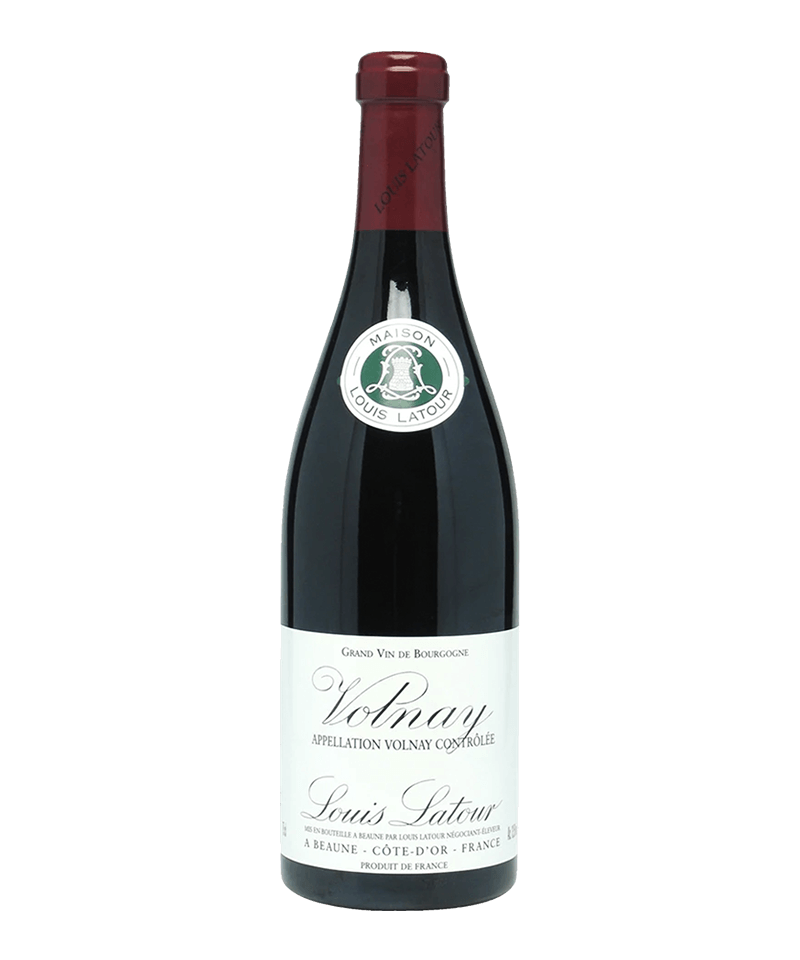
Producer: Louis Latour
Region: Volnay, Burgundy, France
Vintage: 2017 (ripe, relatively early-drinking Burgundy year)
Grape Variety: Pinot Noir
Alcohol: 13%
Critic Score: James Suckling 92
Price: HK$565 (US$72)
Drinking Window: 2023–2030
Available at: Our vintages change seasonally. Check what is in stock here: Bidvino
Louis Latour is one of Burgundy’s long-established family domaines, founded in 1797, with deep holdings and a reputation for reliable, terroir-readable wines across the Côte d’Or. Stylistically, Latour tends to favour clarity of fruit and a polished texture, often supported by confident oak handling. For collectors, that matters because you typically get a “true-to-appellation” snapshot rather than a heavily stylised wine.
Volnay, sitting in the Côte de Beaune, is often the answer when someone asks for a light red wine that still feels serious. It is known for aromatics and a supple tannin profile, which is exactly where pinot noir can outperform heavier red wine types for nuance.
2017 in Burgundy was widely seen as a generous, relatively accessible vintage, following more frost-impacted years earlier in the decade. The growing season delivered healthy fruit and wines that often show charm earlier than stricter, more tightly wound years.
In practical terms: if you want your pinot noir to deliver fragrance and drinkability without waiting a decade, 2017 is a sensible place to be. It may not have the absolute density of benchmark years, but it often trades that for immediacy and balance.
Visual: Brilliant ruby with medium intensity.
Nose: Ripe cherry, red plum, violets, and a gentle spice edge.
Palate: Smooth and well-balanced with soft tannins, fresh acidity, and red-fruit clarity. Think silky rather than weighty.
Finish: Medium-long, turning lightly spicy and floral.
For more Burgundy options, you can explore our Burgundy collection.
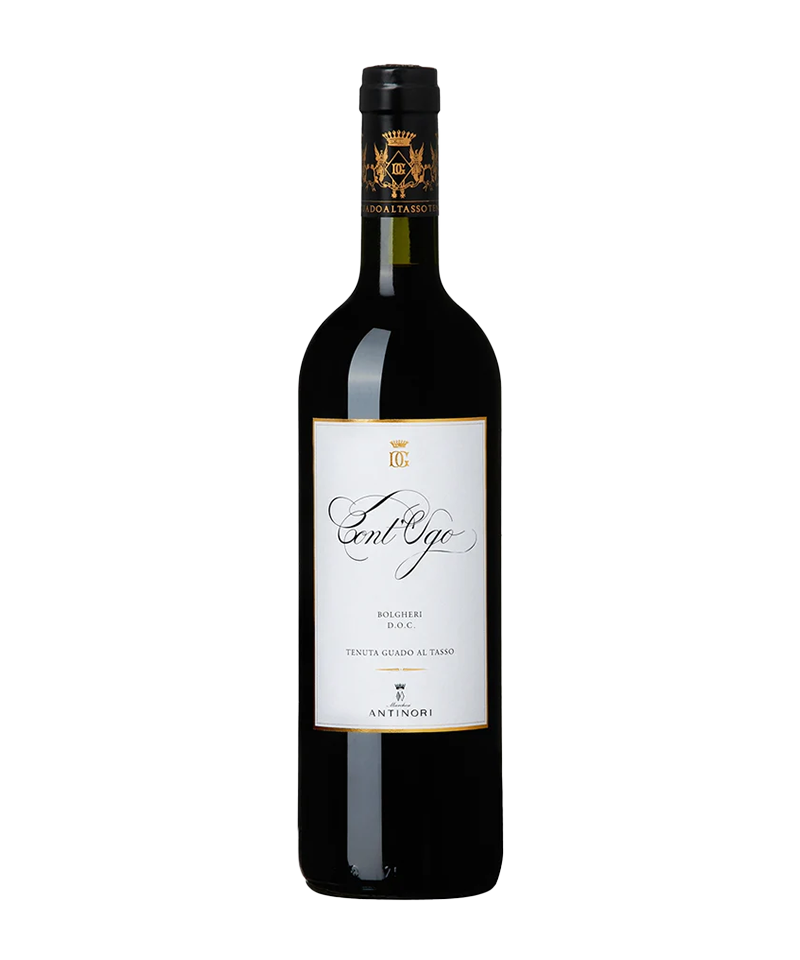
Producer: Marchesi Antinori (Tenuta Guado al Tasso)
Region: Bolgheri, Tuscany, Italy
Vintage: 2022 (warm, sun-shaped, modern Tuscan profile)
Grape Variety: Merlot
Alcohol: 14.5%
Critic Score: Not listed in Bidvino data
Price: HK$450 (US$58)
Drinking Window: 2025–2034
Available at: Our vintages change seasonally. Check what is in stock here: Bidvino
Antinori is one of Italy’s most influential family wine groups, with a track record of modernising regional styles while keeping a strong quality baseline. Tenuta Guado al Tasso, in Bolgheri, is especially relevant to the merlot conversation because it sits in a coastal, Bordeaux-inspired zone where international varieties can reach full ripeness without losing all definition.
From a buying perspective, Cont’Ugo is a useful reference point for what “serious merlot” looks like outside of Bordeaux’s Right Bank. It is often richer than many merlot red wine examples from cooler zones, but still built to age.
2022 in coastal Tuscany was generally warm, which tends to push merlot toward ripe cherry and plum, with softer tannin edges and a more immediate sense of sweetness of fruit (even when the wine is dry). The listed 14.5% alcohol supports that impression.
Warm-year merlot can be dangerously easy to drink young, yet still have enough stuffing to improve for years if the estate manages freshness. This bottle is positioned as structured and persistent, suggesting it is not just a simple, early-release style.
Visual: Intense ruby red, deeper than most pinot noir.
Nose: Currant, raspberry, ripe cherry, plus hints of Mediterranean scrub and forest-floor savouriness.
Palate: Good structure with smooth tannins and a fruit-driven core. The profile reads plush and persistent rather than delicate.
Finish: Persistent, gently fruity, with a warm coastal polish.
To compare more coastal Italian reds, you can discover Tuscany wines.
Pinot noir vs merlot starts with how each grape reacts to the year. In Burgundy 2017, the story is accessibility: bright fruit, fine aromatics, and tannins that do not demand decades. That suits collectors who want a Burgundy bottle to open at a dinner without a long debate about maturity.
Bolgheri 2022, by contrast, leans on warmth and ripeness. Merlot in a sunny year can deliver generous fruit and a velvety feel, but the risk is heaviness if freshness is not preserved. The tasting description emphasizes “good structure” and “excellent persistence,” which suggests the wine is built with more than just sweet fruit.
Edge: Louis Latour Volnay 2017 – the vintage style aligns with pinot noir’s natural finesse and earlier drinkability.
Volnay is often where Burgundy lovers go when they want perfume over muscle. That matters if you are choosing between different type of red wine for a menu that includes poultry, mushrooms, or lighter sauces. Pinot noir tends to transmit site character through acidity and aromatic nuance.
Bolgheri is a different message: coastal influence, sun, and a Bordeaux-inspired frame. Merlot here tends to show riper fruit, plus that Mediterranean herb and earth accent mentioned in the tasting note. It is less “transparent” in the Burgundy sense, but it can be deeply expressive in a modern, polished way.
Edge: Depends – Volnay for delicacy and perfume; Bolgheri for ripe coastal power with savoury edges.
What most collectors overlook is that “light” and “serious” are not opposites. The Volnay is your light bodied red wine example: ruby, floral, red cherry, silky tannins, and freshness. If someone asks “is pinot noir dry,” the practical answer is yes, and this style shows it through bright acidity and restrained sweetness of fruit.
The Cont’Ugo is more about breadth and smoothness. If you are thinking about merlot color, it is typically deeper and more opaque than pinot noir, and this bottle fits that expectation with an intense ruby hue. On the palate, it is structured but plush, which is why merlot is often recommended to people who want softness without going to sweet wine.
Edge: Depends on preference: Volnay for fragrance and lift; Cont’Ugo for density, darker fruit, and a more enveloping texture.
Pinot noir can age beautifully, but the best candidates usually have either strong acidity, firm but ripe tannin, or both. 2017 Burgundy is frequently enjoyable earlier, and while Volnay can develop lovely secondary notes, you should not expect the longest runway in the category.
Merlot from a top coastal Tuscan estate, at 14.5% with stated structure and persistence, often has a longer mid-term window. It may not be an “icon” merlot in the Pomerol sense, but it looks set up for a steady evolution into tobacco, cocoa, and savoury complexity over the next decade.
Edge: Antinori Cont’Ugo Bolgheri 2022 – broader structure and higher concentration suggest more flexible mid-term cellaring.
Looking at the data, we only have a published critic score for the Volnay (JS 92), while the Cont’Ugo listing data does not include scores. For investors, score visibility can matter because it improves comparability at auction and in secondary trading conversations.
That said, brand strength also matters. Antinori has global recognition and broad demand, which can support liquidity. Burgundy, however, often benefits from collector appetite for appellation-driven pinot noir, and Volnay has a strong restaurant and enthusiast following.
If you are shopping purely for “trophy” potential, neither bottle is positioned like a blue-chip Grand Cru or a top Pomerol. If you are shopping for sensible cellar value that is likely to be easy to enjoy or trade within your circle, both are credible.
Edge: Louis Latour Volnay 2017 – having a cited score helps transparency for collectors tracking market signals.
Pinot noir’s advantage is range with lighter proteins: roast chicken, duck, salmon, and mushroom dishes. It can also be a smart match for many Cantonese-style roasted meats when you do not want to overwhelm the food.
Merlot’s advantage is comfort and weight: grilled meats, braised beef, lamb, and richer sauces. It also tends to be friendlier with pepper and char, where pinot noir can feel fragile.
Edge: Depends – Volnay for lighter dishes and subtlety; Cont’Ugo for richer, bolder flavours.
The Cont’Ugo is priced lower than the Volnay while delivering a “serious” producer name and a structured profile. For many buyers, that is an immediate value argument.
The Volnay costs more, but you are paying for Burgundy’s pinot noir scarcity, the Volnay appellation premium, and a cited critic score. If your goal is to learn what fine Burgundy pinot tastes like, that premium can be justified because it delivers a clear reference point.
Edge: Antinori Cont’Ugo Bolgheri 2022 – lower entry price for a structured, reputable merlot.
If you want broader context on styles, see red wine styles explained. For collectors prioritising stronger critic-led segments, you can also browse fine wines / top rated and 95 to 100 point rated wines.
Winner: Louis Latour Volnay 2017
2017 Burgundy is often about charm, and Volnay is naturally built on finesse. If you want to open tonight and get perfume, freshness, and a silky glide without extensive decanting, this pinot noir is the safer bet. Serve slightly cool and let it warm in the glass.
Winner: Marchesi Antinori Cont’Ugo Bolgheri 2022
From a collecting perspective, the Cont’Ugo’s structure, persistence, and higher concentration point to a longer and more flexible drinking arc through the late 2020s and early 2030s. It is not a guaranteed “investment” bottle, but it is the one more likely to reward patience with secondary complexity.
Winner: Marchesi Antinori Cont’Ugo Bolgheri 2022
At a lower HK$ entry point, it offers a polished, estate-level merlot experience. If your priority is a confident bottle for steak night, gifting, or filling the “rich red” slot in a cellar without overspending, this is the pragmatic buy.
Winner: Louis Latour Volnay 2017
Volnay has a celebratory elegance that reads “fine wine” quickly: perfume, silky tannins, and a graceful finish. For anniversaries or a table where you want conversation around the glass, pinot noir’s aromatic profile tends to create that moment better than a plush merlot.
Winner: Depends on your palate
If you are exploring different type of red wine and want an education in finesse, start with Volnay. If you want an easy, crowd-friendly red that still has pedigree, start with Cont’Ugo. Either way, build your baseline by tasting both styles over time and keeping notes.
To keep exploring broadly across styles, start from red wines.
Pinot noir is a red grape, so pinot noir red wine is the normal expression. The confusion comes from its thin skins, which can produce lighter color than many red wine types. Pinot noir can also be used for sparkling wines (including blanc de noirs), where the juice is pressed gently to limit color extraction.
Almost always, yes. Most quality pinot noir is fermented dry, meaning very little residual sugar. What you may perceive as “sweetness” is ripe red fruit aroma and low, silky tannin, not actual sugar. If you want to protect that freshness, avoid serving it too warm.
Pinot noir typically shows red cherry, cranberry, rose, and earthy notes with higher perceived acidity and lighter body. Merlot wine tends to show plum, black cherry, chocolate, and a softer, rounder mouthfeel. In this comparison, Volnay leans floral and silky; Cont’Ugo leans deeper-fruited and more enveloping.
Pinot noir is usually the lighter red wine in body, tannin, and color. Merlot often sits in the medium to full-bodied range, depending on region and ripeness. If you are specifically shopping for light red wine or light bodied red wine, pinot noir is the more consistent answer.
Merlot red wine usually pours deeper ruby to purple compared with pinot noir’s brighter ruby. That deeper merlot color comes from thicker skins and often higher extraction. The Cont’Ugo is described as “intense ruby red,” which fits the typical expectation.
Pinot noir is excellent with poultry, mushrooms, salmon, and dishes with subtle umami. Merlot is often stronger with grilled meats, braises, and richer sauces. If you are unsure, think about weight: match Volnay to lighter proteins, and Cont’Ugo to heavier cooking methods.
Volnay 2017 may benefit from a short 15–30 minute air exposure, mainly to open aromatics. Cont’Ugo 2022 can handle a longer aeration if it feels tight when young. If you want a practical guide, see decanting and aerating wine.
Consider this: buying both is often smarter than buying a more expensive single bottle when you are learning. Pinot noir vs merlot is not just “which is better,” it is “which mood and menu do you want covered?” Keep Volnay for fragrance-forward dinners, and Cont’Ugo for richer meals and crowd-pleasing pours. For cellaring basics, how long to store red wine is a useful refresher.
Both bottles in this comparison are linked above and available online. When buying for cellaring, focus on provenance, documented storage conditions, and the ability to re-trace the supply chain, especially for fine Burgundy and premium Italian reds.
Pinot noir vs merlot is really a choice between two different kinds of pleasure. Louis Latour Volnay 2017 is about perfume, brightness, and silky texture. It is the better fit when you want a light bodied red wine that still feels grown-up, especially at the table with poultry, mushrooms, or subtle sauces.
Marchesi Antinori Tenuta Guado al Tasso Cont’Ugo Bolgheri 2022 is about depth and comfort: darker fruit, smooth structure, and the coastal Tuscan imprint. It is the more natural pick for richer food, modern palates, and medium-term cellaring, particularly if you want value at the HK$450 level.
No single bottle “wins” for everyone. If your goal is elegance and a Burgundy reference point, go Volnay. If your goal is plushness, flexibility with hearty dishes, and a strong producer name at a lower price, go Cont’Ugo. Explore both wines at Bidvino with transparent HKD pricing, authentication guarantee, and expert guidance for Hong Kong collectors.
You can continue browsing by style in the red wines collection.
This comparison is based on vintage context from regional producer norms, critic scores where provided (James Suckling), producer notes in Bidvino product data, and market conventions observed in global auction channels (e.g., Sotheby's and Christie's category behavior, without asserting specific lot results for these two SKUs). Both wines referenced via their Bidvino product listings.
Last Updated: January 2026
 Bidvino Customer Service