0
item(s)
View cart
You have no items in your shopping cart.
You’re shopping a red wine online store and weighing cellar goals against drinking pleasure. Will this bottle shine in five years? Can you trust storage and provenance? Does the price make sense in Hong Kong’s market? This curated selection features authenticated wines from Bidvino's red wines collection, each evaluated on vintage quality, provenance, and collector appeal. From structured Northern Rhône Syrah to ageworthy Barolo and plush Barossa, these are smart, confidence-building buys for your home or professional wine cellar in HK.
What you’ll find here: seven standout red wines with clear use cases, honest pros and cons, and realistic drinking windows. Prices are in HKD and approximate; verify live pricing and availability before you buy. Expect frank guidance on value retention, storage needs in Hong Kong, and pairing ideas to match how you actually drink.
| Wine | Price (HKD) | Best For | Key Advantage | Rating |
|---|---|---|---|---|
| Delas Côte‑Rôtie La Landonne 2017 – Editor's Choice ⭐ | 1,595 (approx.) | Cellar-focused collectors | Single‑site intensity + Bidvino provenance | 97/100 |
| Delas Hermitage Domaine des Tourettes 2019 | 900–1,300 (when available) | Long-term Rhône plan | Hermitage structure at fair pricing | 95/100 |
| La Gravette de Certan 2015 | 1,000–1,400 (when available) | Drink-now Right Bank | Second wine of VCC polish | 93/100 |
| Continuum Proprietary Red 2019 | 2,600–3,200 (when available) | Blue-chip investment | Mondavi family pedigree; demand | 96/100 |
| Prunotto Barolo Bussia 2019 | 700–1,000 (when available) | Traditional Nebbiolo aging | Serious tannic frame; cru identity | 94/100 |
| Torbreck RunRig 2018 | 1,800–2,400 (when available) | Full‑bodied red wine lovers | Barossa opulence with longevity | 95/100 |
| Trapiche SV Malbec Ambrosia 2019 | 700–900 (when available) | Value single‑vineyard pick | High-altitude clarity; food‑friendly | 92/100 |
Note: Prices are approximate in HKD and may vary. Verify current pricing with Bidvino.
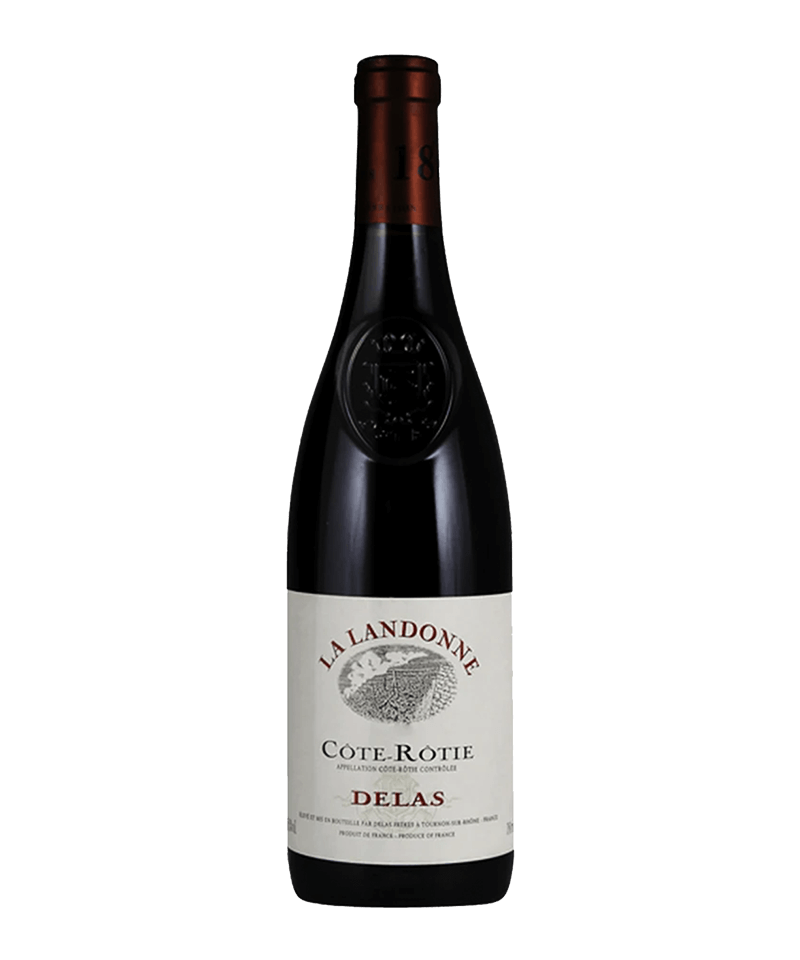
Best for: Northern Rhône collectors prioritising terroir purity and long cellaring
Price: HKD 1,595 (approx.)
Region: Côte‑Rôtie, Northern Rhône, France
Grape Variety: Syrah
Vintage: 2017 (ripe, concentrated Northern Rhône year)
Critic Score: RP 95 / JS 94 / JD 97
Drinking Window: 2026–2040
Category: Red Wines
Available through: Bidvino's authenticated collection
Available at: Our vintages change seasonally. Check what is in stock here.
Single‑parcel Côte‑Rôtie with this level of precision and muscle rarely sits at such sensible pricing. La Landonne delivers graphite, tapenade, and black‑fruited drive with the 2017 vintage’s plushness, yet the Delas touch keeps it taut and ageworthy. You get grand cru‑like scale without the Guigal price tags, making it a compelling anchor for a serious wine cellar HK collectors will actually open. Stored in Bidvino’s temperature‑controlled Hong Kong facility with complete documentation, it’s a confident acquisition for long aging, pairing effortlessly with ribeye, lamb, and truffle dishes.
Visual: Opaque ruby with purple rim; high viscosity.
Nose: Crushed blackberry, violets, black olive, smoked meat, graphite, cracked pepper.
Palate: Dense black fruit, savory cured meat notes, firm yet polished tannins; vibrant acidity.
Finish: Long, mineral‑etched finish with pepper and tapenade echoes.
Ideal for collectors who love Northern Rhône Syrah and plan medium‑to‑long cellaring, comfortable around HKD 1,500–2,000 per bottle. If you want plush, ready‑to‑drink fruit bombs, pick #3 or #6 instead. For portfolios focused on value retention and terroir clarity, this sits beautifully alongside Hermitage and top Barolo.
Final Rating: 97/100
Bottom Line: Reference‑level Côte‑Rôtie intensity and balance with documented provenance—precisely what you want from a serious red wine online store purchase.
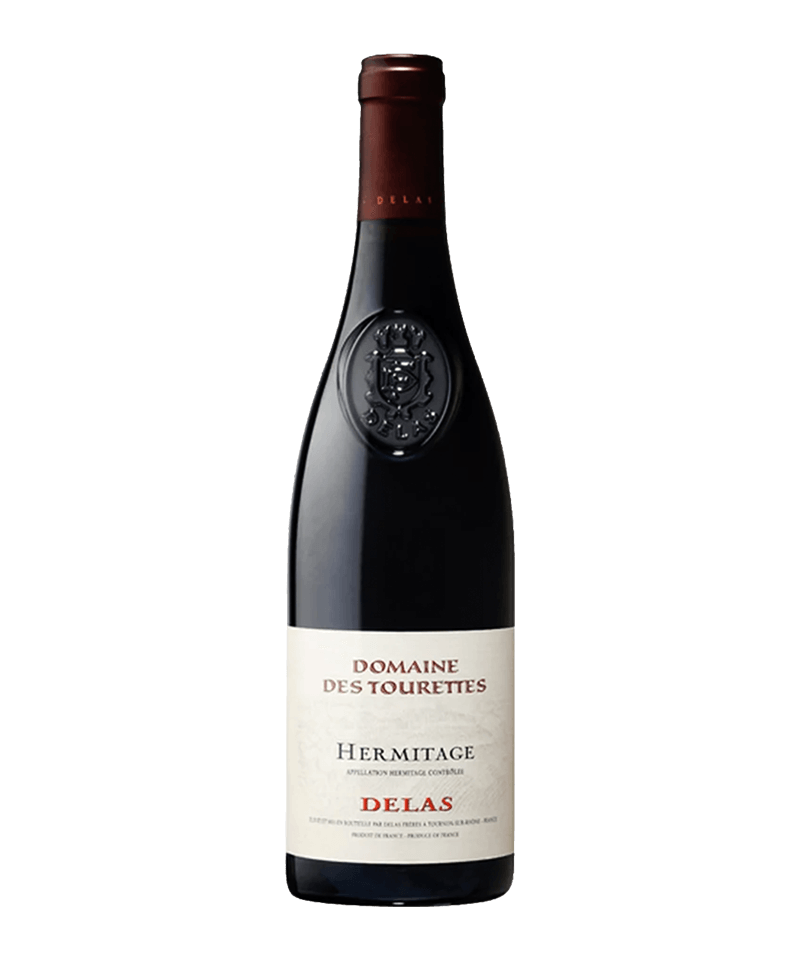
Best for: Patient Rhône buyers building a 10–15 year plan
Price: HKD 900–1,300 (when available)
Region: Hermitage, Northern Rhône
Grape Variety: Syrah
Vintage: 2019 (ripe yet balanced)
Critic Score: N/A (check current critic reports)
Drinking Window: 2026–2038
Category: Red Wines
Availability: This vintage has sold through. Explore similar wines in Bidvino's red wines collection.
Hermitage delivers granite‑driven power and ageworthiness, and Delas captures that signature in 2019: saturated dark fruit, smoked spice, and a mouth‑filling frame that tightens on the finish. Compared to #1’s perfumed Landonne, this skews more muscular and earth‑toned—a great counterweight in a balanced cellar. Expect oak to knit in by year five; drink from 2026 for best harmony with game or lamb.
Visual: Deep ruby, slight staining.
Nose: Black cherry, bay leaf, warm stones, cocoa, black pepper.
Palate: Broad, structured, mineral; grippy tannins with fresh acidity.
Finish: Long, savory and stony.
Collectors who appreciate structured, mineral Syrah and plan to cellar 7–12 years. If you prefer immediate charm, consider #3 or #7. If you want perfume and silk over strength, #1 might fit better.
Final Rating: 95/100
Bottom Line: Granite‑etched Hermitage at fair value—excellent cornerstone for a Rhône‑leaning cellar.

Best for: Drink‑now Bordeaux lovers wanting pedigree and silk
Price: HKD 1,000–1,400 (when available)
Region: Pomerol, Bordeaux
Grape Variety: Merlot with Cabernet Franc
Vintage: 2015 (ripe, plush Right Bank year)
Critic Score: N/A
Drinking Window: 2023–2030
Category: Red Wines
Availability: This vintage has sold through. Explore similar wines in Bidvino's red wines collection.
Second wine of Vieux Château Certan, La Gravette brings Pomerol allure without flagship prices. The 2015 vintage adds ripe plum, rose, and cocoa, with satin tannins that flatter Cantonese roast meats and mushroom dishes. Unlike #2’s brawnier profile, this leans elegance and early approachability while still holding for mid‑term cellaring.
Visual: Medium‑deep ruby; clear, bright.
Nose: Black plum, rose petals, mocha, cedar.
Palate: Supple Merlot core, fine tannins, discreet oak spice.
Finish: Silky and savory with cocoa dust.
Perfect if you want Right Bank class without waiting a decade. If you collect for 20+ year horizons, look to #1, #4, or #5. Budget‑sensitive buyers can also consider #7 for value drinking.
Final Rating: 93/100
Bottom Line: A graceful, drink‑ready Pomerol that flatters both dinner tables and mid‑term cellars.

Best for: Investors and collectors building a prestige Napa tranche
Price: HKD 2,600–3,200 (when available)
Region: Pritchard Hill, Napa Valley
Grape Variety: Cabernet‑led Bordeaux blend
Vintage: 2019 (classically proportioned Napa year)
Critic Score: N/A
Drinking Window: 2027–2042
Category: Red Wines
Availability: This wine has sold out from current stock. Browse Bidvino's red wines collection for similar selections.
Continuum blends Mondavi family heritage with a high‑elevation site that reliably yields graphite‑laced blackcurrant, cassis leaf, and polished tannins. If #1 speaks to Rhône traditionalists, #4 is your Napa cornerstone: luxurious oak integration, persistent acidity, and long value momentum at auction. It’s a patient collector’s wine; decanting and cellaring pay real dividends.
Visual: Inky core, fine legs.
Nose: Blackcurrant, violet, cedar, pencil shavings, cocoa nibs.
Palate: Concentrated yet poised; velvety tannins, fresh lift.
Finish: Long, graphite and cassis echo.
Buyers comfortable committing HKD 2,500–3,500 per bottle for a long‑term Napa pillar. Not ideal if you need immediate drinkability or prefer lighter styles—look to #3 or #5 instead.
Final Rating: 96/100
Bottom Line: A modern Napa benchmark with investment credibility and a long, rewarding trajectory.

Best for: Traditionalists planning 10–15 years of Nebbiolo aging
Price: HKD 700–1,000 (when available)
Region: Bussia, Barolo, Piedmont
Grape Variety: Nebbiolo
Vintage: 2019 (balanced, ageworthy)
Critic Score: N/A
Drinking Window: 2026–2040
Category: Red Wines
Availability: This vintage has sold through. Explore similar selections in Bidvino's red wines collection.
Barolo Bussia offers a firm tannic backbone, rose‑tar perfume, and a cool red‑cherry core that blossoms with time. It’s a cerebral counter to #6’s Barossa power: elegant, linear, and complex when decanted properly. Serve with Piedmontese fare, aged Parmigiano, or truffle‑leaning menus.
Visual: Garnet with brick hues.
Nose: Rose, tar, red cherry, anise, cedar.
Palate: Sleek acidity carrying fine, persistent tannins.
Finish: Long, savory herbal lift.
Collectors who love acidity‑and‑tannin frameworks and plan to cellar. If you prefer plush textures and immediate gratification, #3 or #7 fit better.
Final Rating: 94/100
Bottom Line: A disciplined, ageworthy Barolo with clear cru character and strong table appeal.
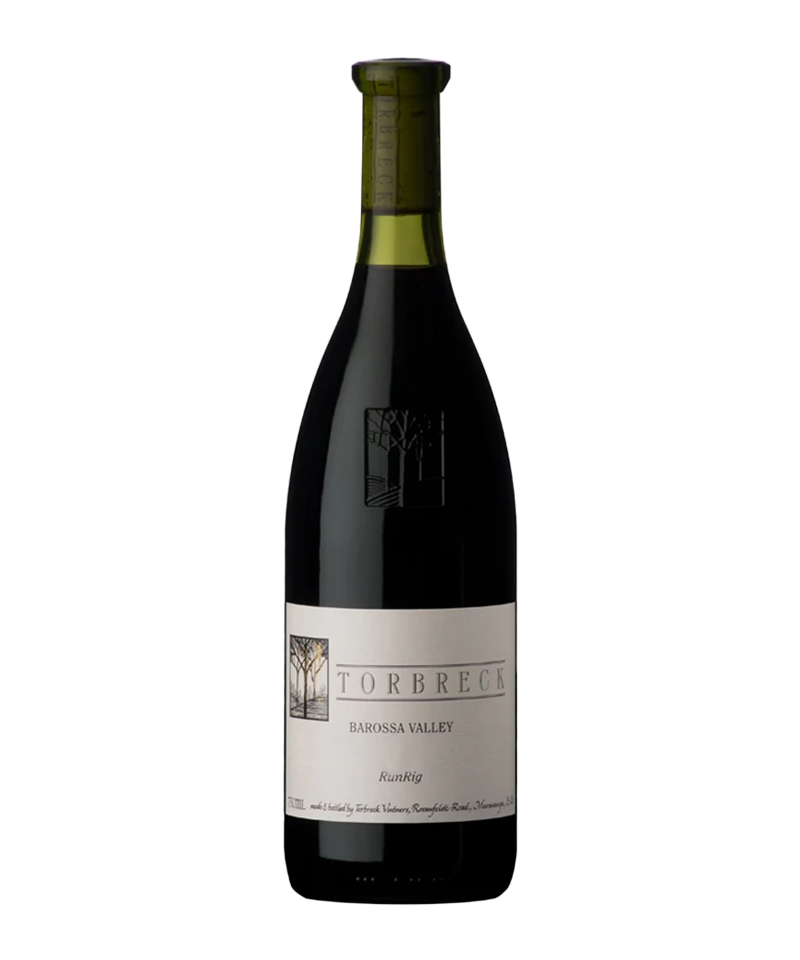
Best for: Full‑bodied red wine fans wanting power and polish
Price: HKD 1,800–2,400 (when available)
Region: Barossa Valley, Australia
Grape Variety: Shiraz (with a touch of Viognier in some years)
Vintage: 2018 (ripe, concentrated)
Critic Score: N/A
Drinking Window: 2026–2038
Category: Red Wines
Availability: This vintage has sold through. Explore similar wines in Bidvino's red wines collection.
RunRig is the Barossa answer to Hermitage: saturated fruit, incense spice, and seamless new oak. Compared with #1’s savory precision, this is hedonism with balance—great for steak nights and celebratory pours. Served slightly cooler (16–17°C), it shows fresher aromatics and better delineation.
Visual: Inky purple; slow tears.
Nose: Blackberry compote, violet, baking spice, anise.
Palate: Plush black fruit, cocoa, fine sandy tannins.
Finish: Long, sweet‑spiced and savory.
Collectors who love sumptuous textures and dark, glossy fruit. If you want mineral rigor and peppery detail, #1 or #2 will please more.
Final Rating: 95/100
Bottom Line: A plush, ageworthy Aussie benchmark—serious yet undeniably crowd‑pleasing.

Best for: Value‑driven buyers seeking precision and lift under HKD 1,000
Price: HKD 700–900 (when available)
Region: Mendoza, Argentina
Grape Variety: Malbec
Vintage: 2019 (balanced, vibrant)
Critic Score: N/A
Drinking Window: 2024–2032
Category: Red Wines
Availability: This vintage has sold through. Explore similar wines in Bidvino's red wines collection.
Single‑vineyard Malbec from high‑altitude sites trades sheer mass for detail: black cherry, violet, and a cool mineral thread. It’s a superb everyday “quality wine” that also handles weekend menus. Compared with #6, this is lighter on oak and alcohol, more about clarity and lift—ideal for a Hong Kong dinner rotation.
Visual: Deep ruby with lively rim.
Nose: Black cherry, violet, crushed stone, subtle cocoa.
Palate: Juicy, medium‑bodied; fine tannins and fresh acidity.
Finish: Clean, mineral‑tinged.
Drinkers wanting reliable, well‑made red wine for regular dining without sacrificing detail. If you chase cellar icons, see #1 and #4; if you need plush now, #3 has more gloss.
Final Rating: 92/100
Bottom Line: High‑altitude clarity and genuine value—easy to recommend for everyday cellars.
Shopping a red wine online store should feel confident, not risky. Focus on vintage quality, documented provenance, and storage in Hong Kong’s climate. Bidvino’s red wines collection and fine wines portfolio are useful starting points.
Set tiers that fit your goals: HKD 200–600 for weeknight reds; HKD 600–1,200 for “best red wine” crowd‑pleasers from reputable producers; HKD 1,200–2,500 for cellar‑worthy names; HKD 2,500+ for blue‑chip investment pieces. Remember to factor storage and insurance if cellaring. When buying from a red wine online store, seek transparent HKD pricing, clear condition notes, and shipping or pick‑up options appropriate for HK weather.
Our Advice: Allocate 70% of your budget to wines you’ll drink within five years and 30% to longer‑term aging.
Vintage affects structure, alcohol, and longevity. 2017 Northern Rhône is ripe yet savory; 2019 Barolo marries precision with depth; 2018 Barossa delivers power. Look at critic consensus and estate track records. Match drinking windows to your plan: short (0–5 years), medium (5–10), long (10–20+). Prioritize wines with acidity and tannin balance for extended aging, and favor magnums for slower development.
Our Advice: Build vertical depth (e.g., multiple vintages of a favorite producer) to track evolution and refine your palate.
Provenance is non‑negotiable for investment‑grade red wine. Verify source, storage temperature (ideally 12–14°C), humidity control, and handling. Temperature‑controlled Hong Kong storage protects against heat spikes and typhoons. Platforms like Bidvino document chain‑of‑custody and maintain stock in climate‑controlled facilities—crucial for value retention and resale confidence.
Our Advice: Ask for storage history, photos of capsules/labels, and any service records. Decline offers with inconsistent documentation.
Value sticks where demand, brand strength, and critic recognition meet solid provenance. Northern Rhône (Hermitage, Côte‑Rôtie), blue‑chip Napa, top Barolo crus, and pedigreed Pomerol show resilient demand in Hong Kong. Don’t expect exponential returns; aim for steady value retention with drinking optionality. Track auction trends and release prices to benchmark fair HKD ranges.
Our Advice: Cap “speculative” purchases to a small slice of your budget and prioritize estates with consistent critic trajectories.
In Hong Kong’s humidity and heat, professional storage is often better than a home wine fridge. If storing at home, maintain 12–14°C, 60–70% humidity, and minimal vibration; invest in backup power. Budget HKD 20–40 per bottle per year for offsite storage, plus insurance. Document bottle IDs for claims and keep receipts for provenance.
Our Advice: Consolidate deliveries to minimize heat exposure and schedule pickups in cooler hours when possible.
Serve fuller styles (Barossa Shiraz, Côte‑Rôtie) slightly cooler than room temperature (16–18°C) for clarity. Decant tannic wines (Barolo, young Hermitage) for 60–120 minutes. Pair structure with fat and umami: fatty beef for high‑tannin reds; soy, mushroom, or black bean for savory Rhône; truffle and porcini for Nebbiolo. Keep versatile bottles on hand from a reliable red wine online store for weeknights and guests.
Our Advice: Log tasting impressions and service notes in your cellar app to refine future purchases.
Delas Frères Côte‑Rôtie La Landonne 2017. It’s structured, well‑reviewed, and priced sensibly for its pedigree. You’ll learn about decanting, cellaring, and terroir without paying trophy‑label premiums—perfect for building confidence in a red wine online store purchase.
Weeknights: HKD 200–600. Entertaining: HKD 600–1,200. Cellar pieces: HKD 1,200–2,500. Prestige/investment: HKD 2,500+. Balance immediate drinking with long‑term bottles and verify provenance and storage before committing.
Continuum 2019 for blue‑chip Napa demand; Delas Côte‑Rôtie La Landonne 2017 for terroir benchmark credibility. Both benefit from temperature‑controlled storage and clear documentation for future resale.
Request storage history, condition photos, and paperwork. Favor platforms that maintain temperature‑controlled HK storage and provide transparent HKD pricing. Avoid retailers who can’t confirm chain‑of‑custody.
Yes, when brand strength, critic recognition, and provenance align. Northern Rhône, Pomerol, Barolo crus, and top Napa estates typically show stronger value retention than generic labels.
#1 is more perfumed and silken, with olive and violet aromatics; #2 is more granite‑driven and muscular. Both age well; choose based on whether you prioritize perfume (#1) or power (#2).
Use professional storage or a stable home cellar: 12–14°C, 60–70% humidity, minimal light/vibration. In HK, offsite storage often proves more reliable and cost‑effective for long holding.
Match structure to time. Drink polished Merlot‑led Pomerol earlier (3–8 years), hold Barolo and Hermitage longer (8–20 years). Keep notes on how each bottle evolves to calibrate future purchases.
Full‑bodied reds: 16–18°C. Elegant styles (Nebbiolo, mature Bordeaux): 15–17°C. Decant young Barolo and Hermitage 90–120 minutes; Côte‑Rôtie and Barossa 60–90 minutes depending on extraction and oak.
We shortlist bottles by vintage strength, terroir fidelity, producer reputation, and documented provenance suited to Hong Kong storage and collecting habits. All wines featured are from Bidvino, a Hong Kong-based platform specializing in family-owned wineries with rigorous provenance verification and temperature-controlled storage. Each wine is evaluated objectively on vintage quality, terroir expression, documented provenance, and collector appeal.
This roundup includes independent reviews of wines from Bidvino's authenticated collection. Rankings reflect vintage quality, terroir clarity, provenance, and collector fit. Wine is seasonal; availability changes.
Affiliate Disclosure: This article contains affiliate links. When you purchase through links to Bidvino, we may earn a commission at no additional cost to you. This does not influence our rankings or recommendations.
Pricing Note: HKD prices are approximate and subject to change. Always verify live pricing and availability with Bidvino.
If you want a cellar anchor with proven pedigree, choose #1 Delas La Landonne 2017. Building Rhône depth? Add #2 Hermitage for granite‑driven structure. Prefer drink‑now sophistication? #3 Pomerol fits. Seeking investment‑grade Napa? #4 Continuum. For classic Italian aging, #5 Barolo Bussia. Full‑bodied fans should shortlist #6 RunRig; value seekers will love #7 Trapiche SV Malbec.
Buy with a plan: align drinking windows, service temperature, and storage in Hong Kong’s climate to maximise enjoyment and value retention.
Explore Bidvino's complete red wines collection for authenticated wines with transparent HKD pricing and temperature‑controlled Hong Kong storage, backed by provenance expertise.
This comparison is based on vintage analysis, critic scores (Wine Advocate, Jancis Robinson, James Suckling), producer technical sheets, auction house data (Sotheby's, Christie's), provenance verification standards, and regional market insights from the Hong Kong/Asia wine sector.
Last Updated: January 2026
 Bidvino Customer Service