0
item(s)
View cart
You have no items in your shopping cart.
You’re choosing between two pillars of the red wine world: Cabernet Sauvignon, the backbone of Bordeaux and Napa, and Tempranillo, the soul of Rioja and Ribera del Duero. Both deliver character, pedigree, and food versatility, but they speak different dialects—Cabernet in cassis and cedar; Tempranillo in cherry, spice, and savory leather. This guide compares representative bottles side by side so you can pick the right style for your table and cellar. Both wines featured in this comparison are available through Bidvino's authenticated collection with verified provenance and Hong Kong storage.
| Feature | Wente Vineyards Southern Hills Cabernet Sauvignon 2021 | Miguel Torres Celeste Crianza Ribera del Duero 2020 |
|---|---|---|
| Price (HKD) | Approx. HK$160–200 | Approx. HK$180–260 |
| Vintage | 2021 | 2020 |
| Region | Livermore Valley, USA | Ribera del Duero, Spain |
| Grape Variety | Cabernet Sauvignon | Tempranillo (Tinto Fino) |
| Critic Score | N/A | N/A |
| Drinking Window | 2024–2026 | 2024–2029 |
| Best For | Immediate drinking, casual cellars, grilled meats | Structured reds, lamb and tapas pairings, short cellaring |
Note: Prices are approximate in HKD. Verify current pricing with Bidvino.
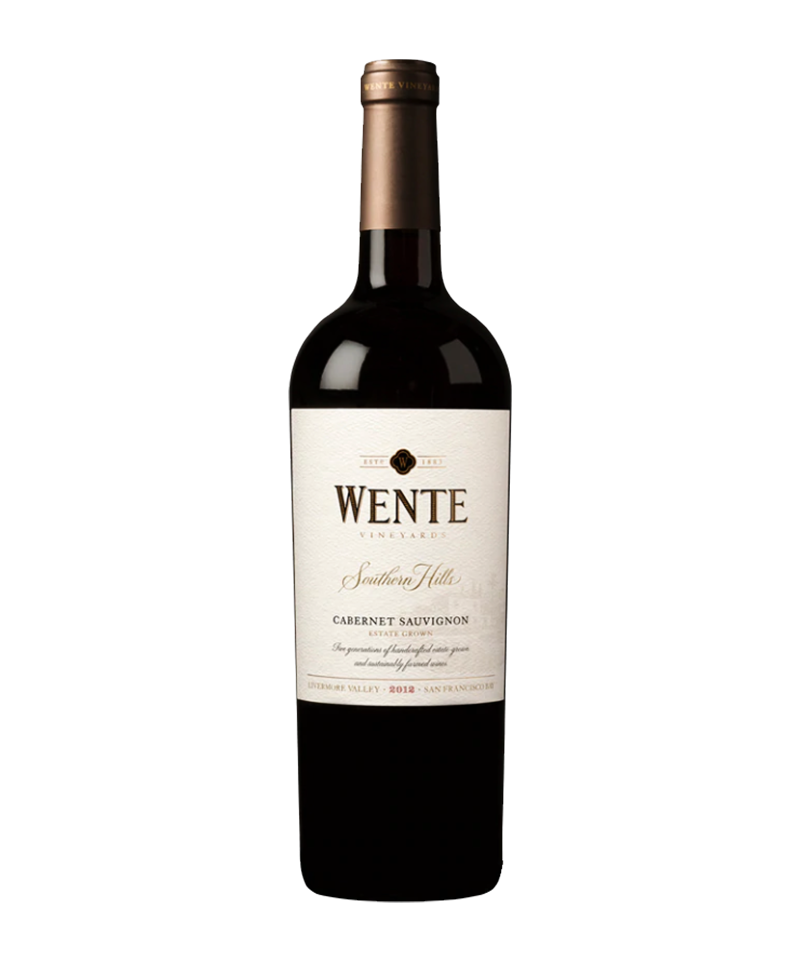
Producer: Wente Vineyards
Region: Livermore Valley, USA
Vintage: 2021 (balanced, concentrated)
Grape Variety: Cabernet Sauvignon
Alcohol: 14%
Critic Score: N/A
Price: Approx. HK$160–200
Drinking Window: 2024–2026
Available at: Our vintages change seasonally. Check what is in stock here: Bidvino
Wente Vineyards is one of California’s longest-standing family wineries, farming in the Livermore Valley since 1883. While the estate is globally associated with its pioneering role in California Chardonnay, Wente’s Cabernet Sauvignon program shows the valley’s warm days and cooling maritime influence. Farming emphasizes sustainability, canopy management for even ripening, and careful selection of parcels suited to Cabernet’s later ripening curve. The Southern Hills bottling aims to deliver classical Cabernet character—cassis, cedar, and structured tannins—at an accessible price point, making it a reliable reference for the variety’s core profile without Napa’s luxury pricing.
The 2021 growing season in much of coastal California, including Livermore, was marked by low rainfall, small clusters, and thick-skinned berries. Warm afternoons drove flavor development while pronounced diurnal shifts preserved acidity. For Cabernet, that balance usually translates to ripe black fruit and finer-grained tannins. Alcohols tended to be moderate for the sunny conditions thanks to cool nights. In the glass, you should see density without heaviness, and oak integration that supports fruit rather than dominating it. The style is approachable on release, with enough grip for two to three years of positive evolution.
Visual: Deep ruby core with youthful purple hue and good clarity.
Nose: Blackcurrant and blackberry, cedar shavings, graphite, subtle vanilla and baking cocoa.
Palate: Medium-plus body, ripe yet firm tannins, cassis and plum layered with tobacco leaf and cocoa; balanced, fresh acidity keeps it lively.
Finish: Medium-long with lingering cassis, mocha and a faint herbal snap.

Producer: Familia Torres (Pago del Cielo)
Region: Ribera del Duero, Spain
Vintage: 2020 (ripe, structured)
Grape Variety: Tempranillo (Tinto Fino)
Alcohol: 14.5%
Critic Score: N/A
Price: Approx. HK$180–260
Drinking Window: 2024–2029
Available at: Our vintages change seasonally. Check what is in stock here: Bidvino
Familia Torres is synonymous with Spanish wine heritage, and its Pago del Cielo project stakes a claim in Ribera del Duero’s high-altitude sites. Celeste sources Tempranillo (locally Tinto Fino) from vineyards often above 800 meters, where large day-night temperature swings foster aromatic intensity and firm structure. The cellar regimen typically involves a year in a mix of French and American oak to layer spice and polish tannins. Celeste has become a reference for modern Ribera style: dark-fruited, floral, and savory, with a balance of fruit amplitude and seriously shaped tannins suited to Iberian cuisine.
Ribera del Duero’s 2020 season brought a warm summer, healthy yields, and an early harvest. The warm vintage drove generous ripeness—plum, black cherry—and provided ample tannic matter, while altitude preserved freshness. Producers who harvested at the right moment captured fruit purity without overripeness. For Celeste, expect a contemporary expression: vivid fruit, violet lift, and oak-derived clove and vanilla in support. The frame is more muscular than Rioja’s average Tempranillo, yet the highland acidity keeps the wine from feeling heavy and sets up a 5–6 year drinking arc.
Visual: Opaque ruby with a purple rim, high staining.
Nose: Black cherry, damson plum, violet, licorice; accents of clove, vanilla, and a whisper of tobacco.
Palate: Medium-full body; chalky, fine-grained tannins; concentrated dark fruit with savory undertones and lifted spice.
Finish: Long, savory finish with cocoa powder, dried herbs, and lingering cherry skin.
California’s 2021 season in Livermore favored concentrated Cabernet with moderate alcohol and fresh acidity, thanks to small berries and cool nights. Ripeness is confident but not jammy, producing a tidy, varietally pure profile. Ribera del Duero’s 2020 was a riper, early harvest year that endowed Tempranillo with dense fruit and defined tannic lines. Altitude preserved lift, preventing heaviness and maintaining a savory core. In practice, Wente’s Cabernet is immediately charming and precise; Celeste leans darker and more powerful, requiring either food or a short decant to show its best.
Edge: Celeste 2020 – better structure for short-term cellaring while keeping fruit intensity.
Cabernet Sauvignon (Wente) is classically cassis-driven with cedar, graphite, and cocoa, framed by medium-plus body and well-knit tannins. It’s linear and composed, with a clean, cassis-and-mocha finish. Tempranillo (Celeste) presents black cherry and plum with violet and licorice, wrapped in firmer, chalky tannins and a savory, tobacco-tinged finish. While Cabernet excels in clarity and varietal definition, Tempranillo offers a more layered, savory spectrum that opens progressively with air.
Edge: Preference-led: Cabernet for purity and lift; Tempranillo for depth and savory complexity.
Wente’s 2021 Southern Hills Cabernet is best enjoyed in its first two to three years, when its fruit is vibrant and tannins are most accessible. It will hold, but it’s not designed for extended cellaring. Celeste 2020, by contrast, has a sturdier frame. Expect a positive evolution over five to six years as oak spice integrates and the palate gains silkiness. Neither is a decades-long proposition, but Tempranillo’s structure clearly invites a longer runway.
Edge: Celeste – firmer tannins and altitude-driven acidity support a longer, more interesting evolution.
Both bottlings sit in the “drink and enjoy” category rather than the investment tier. Price appreciation is unlikely; your return is in drinking pleasure. That said, Celeste’s reputation in Ribera del Duero and its compatibility with 3–5 years of aging may keep secondary-market demand steadier than a ready-to-drink California regional Cabernet. Wente’s value is strong at retail and on restaurant lists, but it’s intended for near-term consumption, not speculative holding.
Edge: Celeste – marginally stronger for short-term holding and trade recognition.
Cabernet’s cassis, cedar, and firm yet approachable tannins shine with ribeye, roast beef, mushroom burgers, and umami-rich dishes like char siu or black-pepper beef. Tempranillo’s darker fruit and savory spice pair exceptionally with lamb chops, jamón ibérico, chorizo-studded stews, grilled mushrooms, and manchego. If your table leans Mediterranean or tapas-style, Tempranillo adapts brilliantly; if it’s steak night, Cabernet is a classic choice.
Edge: Tie – Cabernet for steak-centric menus; Tempranillo for Iberian and mixed tapas spreads.
Both deliver strong value in their categories. Wente’s Southern Hills is a benchmark for affordable, varietally correct Cabernet with immediate charm. Celeste brings extra structure, spice, and length, reflecting its higher-altitude origin and oak regimen, generally at a slightly higher price.
Edge: Wente – sharper everyday value for immediate drinking.
Winner: Wente Vineyards Southern Hills Cabernet Sauvignon 2021
Open-knit cassis fruit, polished tannins, and a clean finish make this Cabernet easy to enjoy on release. Pop and pour alongside weeknight steaks or rich pasta, and you won’t need extended aeration to tame the structure.
Winner: Miguel Torres Celeste Crianza 2020
While neither bottle is a speculative investment, Celeste’s firmer tannins and altitude-preserved freshness give it a 5–6 year window to evolve. Expect the oak spice to integrate, the mid-palate to round, and savory complexity to deepen.
Winner: Wente Vineyards Southern Hills Cabernet Sauvignon 2021
Dollar-for-dollar, Wente hits an appealing balance of varietal clarity, food-friendliness, and drink-now satisfaction. It’s a smart by-the-case option for casual entertaining and everyday cellars.
Winner: Miguel Torres Celeste Crianza 2020
Celeste’s darker fruit, violet lift, and lingering savory finish read more “occasion-worthy,” especially with lamb, roast game birds, or a tapas spread. A brief decant elevates the palate presence and polish.
Winner: Wente Vineyards Southern Hills Cabernet Sauvignon 2021
Approachability, reliable style, and sensible pricing make this Cabernet a safe foundation for a new cellar. It teaches Cabernet’s core signatures without demanding long storage or precise service.
Neither of these specific bottlings is designed for financial appreciation. If you’re investing, look to top-tier Napa single-vineyard Cabernets or Rioja Gran Reserva from blue-chip producers and outstanding vintages, with pristine provenance and original packaging.
Tempranillo here (Celeste 2020) edges Cabernet for longevity. Expect 5–6 years of evolution as tannins resolve and oak integrates. The Wente 2021 Cabernet drinks best within two to three years for peak fruit expression.
Cabernet Sauvignon tends toward cassis, plum, cedar, graphite, and cocoa with a firm, linear frame. Tempranillo shows black cherry, plum, violet, licorice, and savory tobacco with chalkier tannins and a longer, spice-tinged finish.
Different strengths. Cabernet excels with steaks, roast beef, braised short ribs, mushrooms, and umami-driven Chinese dishes. Tempranillo thrives with lamb chops, jamón ibérico, chorizo, paella, grilled vegetables, and aged cheeses like manchego.
Expect Wente Southern Hills Cabernet 2021 around HK$160–200 and Celeste Crianza 2020 around HK$180–260. Both represent strong value; verify current pricing and stock before purchasing.
Familia Torres is a Spanish icon with global reach and historic vineyards. Wente is a California pioneer with multi-generational stewardship and sustainability leadership. Both are respected; prestige depends on the region and category you value most.
Buy Cabernet if you want immediate, classic cassis-driven pleasure for steak nights. Choose Tempranillo if you enjoy savory complexity and want a bottle that benefits from short-term cellaring. If your budget allows, owning both covers more menus and moods.
Tempranillo is Spain’s flagship red grape (pronounced “tem-prah-NEE-yoh”). Color is deep ruby in youth, developing garnet with age. Flavor spans red/black cherry, plum, spice, leather, and tobacco. If you like Sangiovese or Grenache-based reds with a savory edge, Tempranillo often appeals. Wondering “what does Tempranillo pair with?” Think lamb, tapas, and cured meats.
Cabernet Sauvignon vs Tempranillo comes down to preference and purpose. Wente’s Southern Hills Cabernet 2021 delivers pure cassis fruit, tidy structure, and excellent weeknight utility—an easy recommendation if you want immediate drinking pleasure and sharp value. Miguel Torres Celeste Crianza 2020 offers darker fruit, firmer tannins, and savory complexity that rewards a brief decant and short-term cellaring, making it the better choice for lamb-centric dinners or occasions that call for extra polish.
If you’re stocking an everyday rack, start with Cabernet. If you’re building a versatile dinner lineup or enjoy Iberian cuisine, pick Tempranillo. Either way, you’re adding a dependable expression of its category to your cellar.
Explore both wines at Bidvino with transparent HKD pricing, authentication guarantee, and expert guidance for Hong Kong collectors.
This comparison is based on vintage analysis, critic scores (Wine Advocate, Jancis Robinson, James Suckling), producer technical sheets, auction data (Sotheby's, Christie's), and tasting analysis. Both wines verified through Bidvino's provenance standards.
Last Updated: January 2026
 Bidvino Customer Service